Deepdive
(Advertisement)


What Is the InterLink Wallet and ITLX? Key Features and Utilities

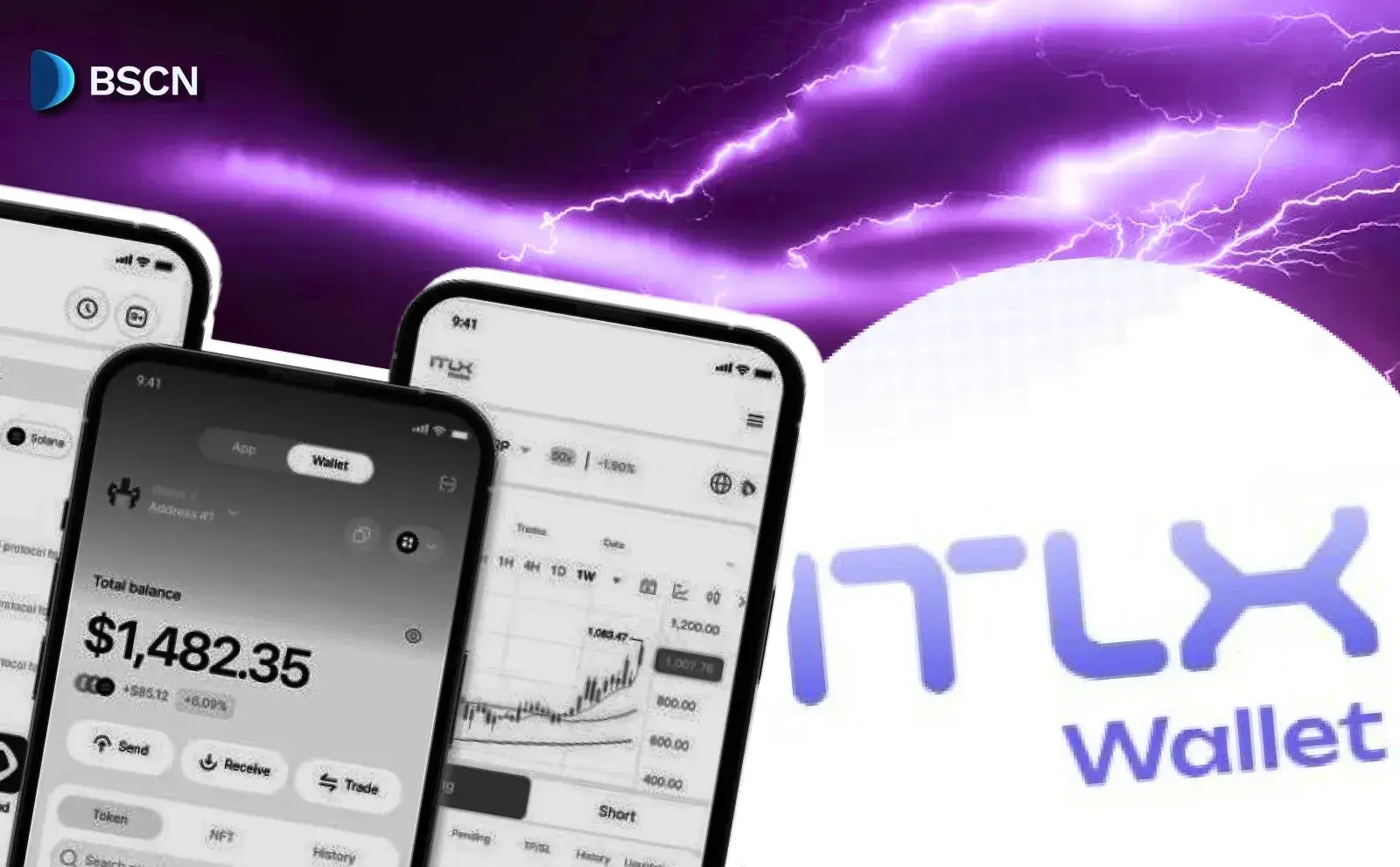
InterLink Wallet combines non-custodial storage, human verification, multi-chain support, and ITLX trading tools into a single Web3 application ecosystem platform.

UC Hope
January 30, 2026

(Advertisement)
Table of Contents
InterLink Wallet is a non-custodial, multi-chain cryptocurrency wallet developed by InterLink Labs as part of the broader InterLink Network. Launched in late 2025, the wallet is designed to combine asset storage, decentralized trading, and access to verified Web3 applications in a single interface.
The wallet operates within the InterLink app and is closely tied to InterLink ID, a facial recognition–based system that verifies each account belongs to a real human. This verification model is presented as an alternative to traditional KYC, with the promise of reducing bots and Sybil attacks while keeping users in control of their data.
InterLink Wallet also serves as the access layer for ITLX, a group of exchange and infrastructure products that include the ITLX Perpetual Exchange, ITLX Spot Exchange, and ITLX Bridge. Together, these tools position the wallet as a functional hub rather than a passive storage tool.
This article explains how InterLink Wallet works, what ITLX includes, and how the ecosystem fits into current Web3 usage, with attention to technical design, security, and real-world utility.
What Is InterLink Wallet?
InterLink Wallet is a self-custody wallet. This means users control their private keys locally rather than through a centralized service. The wallet supports multiple blockchains and is designed to remove the need to switch between different wallets or browser extensions when moving assets or using decentralized applications.
Unlike many wallets that focus only on token storage and transfers, InterLink Wallet integrates trading, cross-chain swaps, and verified dApp access directly into the application. The wallet is available through the InterLink Network app, with version 4.0 marking a stabilization phase after earlier releases.
Core design goals
The wallet is built around three stated priorities:
- User custody: Private keys remain encrypted and stored on the user’s device.
- Multi-chain access: Assets across multiple major blockchains can be managed from a single interface.
- Human verification: InterLink ID links wallets to verified humans rather than anonymous accounts.
This structure places InterLink Wallet closer to an application platform than a single-purpose wallet.
InterLink ID and Human Verification
A central element of the InterLink ecosystem is InterLink ID. This system uses facial recognition to confirm that each wallet is operated by a real person. The verification process does not rely on passports, government IDs, or document uploads.
Once verification is completed, the wallet can be used to access human-gated dApps, exchanges, and reward systems inside the InterLink Network.
Why human verification matters
Bots and Sybil accounts remain a structural problem in Web3. They distort token distributions, referral systems, governance votes, and play-to-earn economies. InterLink ID is designed to reduce these issues by enforcing a one-human-one-account rule at the wallet level.
For developers, this enables dApps to run campaigns, offer rewards, or operate marketplaces with reduced exposure to automated abuse. For users, it means interacting in environments where counterparties are verified humans rather than scripts.
Supported Blockchains and Assets
InterLink Wallet supports multiple blockchain networks from launch, including:
This coverage allows users to manage assets without bridging manually through external tools in many cases.
Digital assets
The wallet supports standard cryptocurrencies such as BTC, ETH, and SOL, as well as stablecoins. It also supports tokenized real-world assets, including representations of:
- Gold (XAU)
- Silver (XAG)
- U.S. equities
- Market indices such as NAS100 and SPX500
These assets can be traded directly within the wallet interface, subject to network and liquidity conditions.
ITLX: Exchange and Infrastructure Layer
ITLX refers to the exchange and routing products built into the InterLink ecosystem. These tools are not separate applications; they are accessed natively through the InterLink application.
ITLX Perpetual Exchange
The ITLX Perpetual Exchange is a decentralized perpetual futures platform. It is designed to support leveraged trading while keeping custody with the user.
Key technical characteristics include:
- Perpetual contracts with no expiration dates
- Leverage up to 100x, depending on asset and conditions
- USDC-based settlement, collateral, and pricing
- Shared order books across chains, intended to deepen liquidity
- Support for over 120 trading pairs
The platform uses off-chain price oracles combined with on-chain settlement. Additionally, price deviations are capped to limit the risk of manipulation. Traders can use market and limit orders, with cross-margin support and liquidation protection features.
The interface provides real-time charts, funding rates, and risk metrics, similar to those of centralized exchanges, though execution remains non-custodial.
ITLX Spot Exchange
The ITLX Spot Exchange handles token-for-token swaps without order books. Trades are executed directly on-chain.
Core functions include:
- Instant swaps without account registration
- Aggregated liquidity from multiple decentralized sources
- Cross-chain swaps through integrated routing
- Full transparency of fees and transaction paths
Users keep custody of assets before and after each swap. Pricing is determined through routing algorithms that scan available liquidity pools.
ITLX Bridge
The ITLX Bridge allows users to move assets across supported blockchains without intermediaries.
Key properties include:
- Non-custodial transfers using smart contracts
- Cross-chain movement between networks such as Ethereum, Solana, Polygon, and Base
- Unified interface inside the wallet
- Finality measured in minutes rather than hours
The bridge is designed to support InterLink’s goal of omnichain liquidity, enabling assets to move freely between ecosystems while remaining within the same wallet environment.
User Experience and Interface
InterLink Wallet emphasizes a mobile-first experience. The interface is designed to reduce friction for users unfamiliar with blockchain tooling.
Wallet setup
Users create a wallet through the InterLink app. After wallet creation, they complete InterLink ID facial verification. Once verified, all wallet features become available, including trading, swaps, and access to mini-apps.
Navigation centers on a wallet tab that displays balances, recent activity, and shortcuts to exchange functions.
Mini-app browser
The wallet includes a built-in browser for human-verified decentralized applications. Categories include:
- Games with PvP and on-chain leaderboards
- Earn platforms for microtasks and bounties
- Peer-to-peer commerce tools
- DeFi modules for swaps, staking, and bridging
- Education platforms with learn-to-earn models
All mini-apps require InterLink ID verification, which limits bot participation by design.
Real-World Integration
InterLink Wallet extends beyond on-chain activity through its already announced Visa card integration. The InterLink Visa Card is designed to allow users to spend supported crypto assets in everyday transactions.
While rollout details vary by region, the stated goal is to connect wallet balances directly to fiat payment rails without transferring custody to a centralized exchange.
Security Architecture
Security is treated as a structural requirement rather than an add-on.
Wallet security
- Local encryption of private keys
- Biometric login and passcode protection
- Automatic session locking
- Encrypted cloud backup options for seed phrase recovery
Because the wallet is non-custodial, users retain responsibility for key management.
Exchange security
ITLX exchange components rely on:
- Off-chain price oracles with capped deviation thresholds
- Transparent smart contracts for settlement
- Risk management systems for margin and liquidation
No major security incidents have been publicly reported for version 4.0. Early releases experienced minor bugs, which were addressed in subsequent updates.
User Feedback and Independent Reviews
Public feedback has focused on usability rather than speculation.
Common positives reported by users include:
- Clean interface
- Fast transaction confirmation
- Straightforward swaps and trading
- Clear separation between wallet custody and exchange activity
Reported drawbacks include:
- Mandatory InterLink ID setup
- Minor bugs in early versions
Video reviews and walkthroughs on YouTube and short-form platforms highlight the wallet’s design and integrated trading tools, often comparing it favorably with entry-level wallets.
What are the Practical Considerations and Risks?
InterLink Wallet and ITLX were recently launched, compared with long-established wallets and exchanges. Users should consider:
- Market volatility when using leverage on perpetual contracts
- Smart contract risk common to decentralized platforms
- Regional availability of card and fiat services, once it is available to a global audience
Verification should always be completed through official InterLink Labs channels.
Conclusion
InterLink Wallet combines non-custodial storage, multi-chain access, decentralized trading, and human verification into a single application. ITLX extends this structure with perpetual futures, spot swaps, and cross-chain transfers that operate without user custody, leaving the wallet.
The ecosystem emphasizes verified participation, which shapes how applications, rewards, and exchanges operate inside the network. While the platform remains early in its lifecycle, its technical scope and active user base position it among wallets that aim to unify identity, trading, and asset management under one interface.
Sources:
- Whitepaper: Interlink Wallet, ITLX Perpetual Exchange, Spot Exchange, and Bridge
- X Account: The ITLX Ecosystem
- Coinmonks Medium: Interlink V4.0
Read Next...


Frequently Asked Questions
What makes InterLink Wallet different from other crypto wallets?
InterLink Wallet combines self-custody, built-in exchanges, cross-chain transfers, and human verification through InterLink ID. Most wallets focus only on storage and transfers.
Is InterLink Wallet custodial?
No. Users control their private keys locally. InterLink Labs does not hold user funds.
What is ITLX used for?
ITLX refers to the exchange layer within InterLink Wallet, which supports perpetual futures trading, spot swaps, and cross-chain bridging.
Disclaimer
Disclaimer: The views expressed in this article do not necessarily represent the views of BSCN. The information provided in this article is for educational and entertainment purposes only and should not be construed as investment advice, or advice of any kind. BSCN assumes no responsibility for any investment decisions made based on the information provided in this article. If you believe that the article should be amended, please reach out to the BSCN team by emailing [email protected].
Author
 UC Hope
UC holds a bachelor’s degree in Physics and has been a crypto researcher since 2020. UC was a professional writer before entering the cryptocurrency industry, but was drawn to blockchain technology by its high potential. UC has written for the likes of Cryptopolitan, as well as BSCN. He has a wide area of expertise, covering centralized and decentralized finance, as well as altcoins.
(Advertisement)
Latest News
July 10, 2026

How Do PancakeSwap's CAKE Token Burns Actually Work?
July 10, 2026

Report: Ripple & The XRP Ecosystem in H1 2026
July 10, 2026

How Is Cardano Advancing Financial Inclusion in Developing Countries?
July 10, 2026

Why Was Sui Built From Scratch Instead of Forking an Existing Blockchain?
July 9, 2026

Trust Wallet Adds Native Support for Robinhood Chain, Opening Stock Tokens to 220 Million Users
July 9, 2026
Robinhood Chain Explodes Post-Mainnet Launch
July 9, 2026
Is Avalanche AVAX Bringing Hyundai On Chain?
July 9, 2026

Stop Tokenizing Assets You Don't Control
(Advertisement)

Crypto Project & Token Reviews
Project & Token Reviews
Comprehensive reviews of crypto's most interesting projects and assets
Learn about the hottest projects & tokens

Latest Crypto Articles
Get up to date with the latest crypto news stories and events