News
(Advertisement)


Interlink Unveils Visa Card, Bringing Digital Assets From Wallets Into Everyday Life

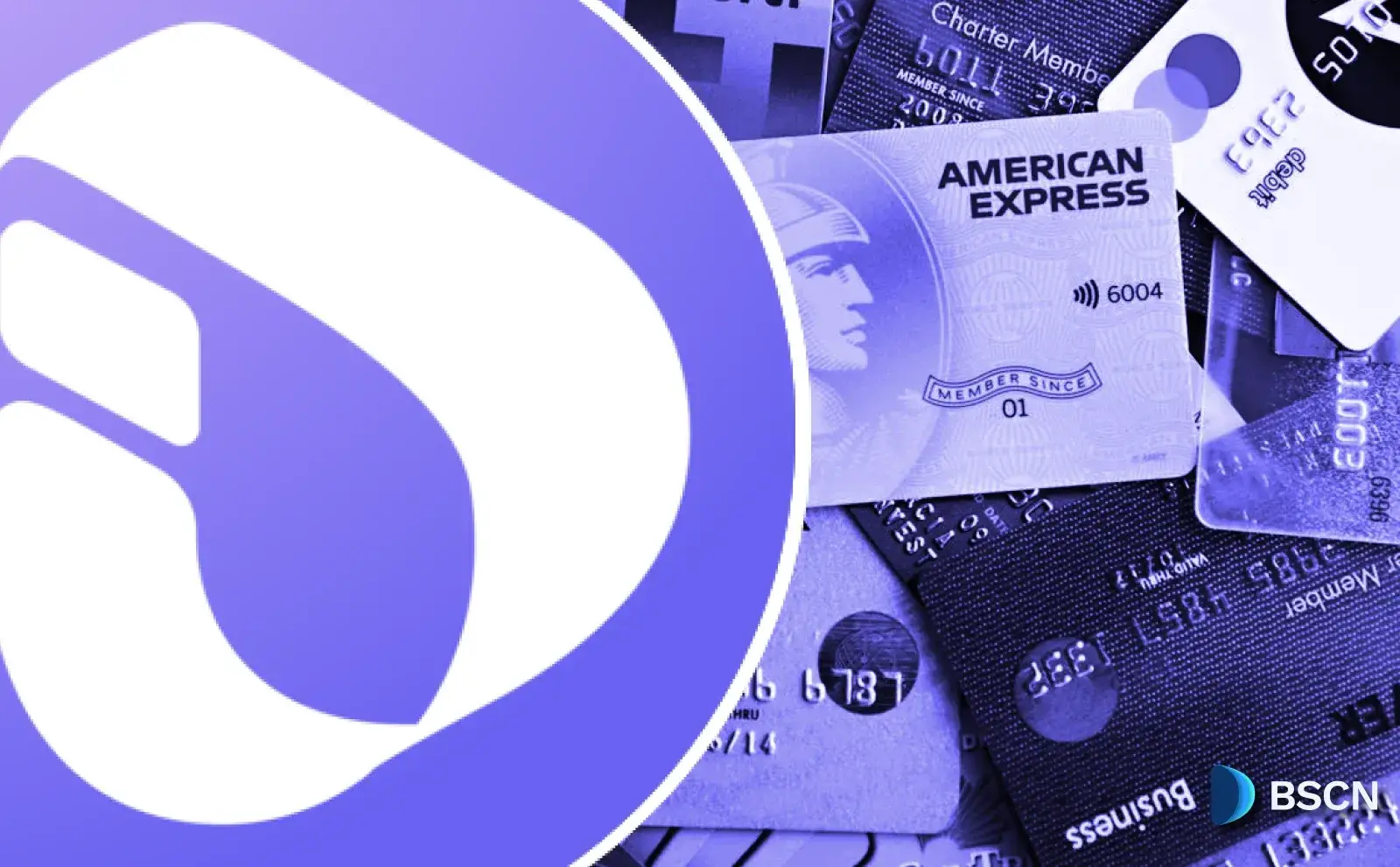
InterLink launches a Visa card that enables verified users to spend digital assets globally via an identity-linked, compliant payment infrastructure.

UC Hope
January 21, 2026

(Advertisement)
Table of Contents
InterLink has announced the launch of the InterLink Visa Card, a prepaid debit card designed to let verified users spend digital assets at everyday merchants worldwide. The card is already live with a limited group of early users and is scheduled for wider distribution in 2026. The rollout marks a shift from holding digital assets in wallets to using them for routine payments, such as retail purchases, online services, and cross-border transactions.
The initiative is led by InterLink Labs in partnership with HPX Official, leveraging Visa's global acceptance network. Together, the companies aim to position the InterLink Visa Card as a practical payment instrument rather than a speculative crypto product.
What InterLink Is Building
InterLink is a blockchain platform focused on verified human participation. Its core premise is that large-scale digital economies require proof that users are real people, not automated systems. To address this, InterLink uses proof of personhood tools, including facial verification and NFC-enabled government identification.
Users who complete verification become participants in the company's Human Network. They can earn rewards through daily activity, referrals, and app-based tasks without specialized hardware. These rewards are issued in InterLink’s native tokens and can later be used for payments or other services.
The platform includes a mobile application that combines wallet management, token mining, messaging, mini apps, and QR-based payments. InterLink’s stated target is to reach 10 million verified users and three million cardholders by the end of 2026.
What is the InterLink Visa Card?
The InterLink Visa Card is a prepaid debit card integrated directly with the InterLink app. Both physical and virtual versions are available. Some cards were issued in late 2025 to community members at offline events, and early users have already tested the card in everyday retail settings.
The card allows users to spend supported digital assets at more than 50 million merchants across over 170 countries. Transactions are processed through Visa’s existing payment rails, with crypto balances converted to local currency at the point of sale.
According to InterLink, the card is intended to remove friction between holding digital assets and using them for daily expenses.
Key Features and Technical Functionality
Global Acceptance and Payments
The card works anywhere Visa is accepted, including online stores, physical retail locations, travel services, and food outlets. Users can top up their card with supported assets, including USDT, BTC, ETH, or InterLink’s own payment token ITL. Conversion to fiat happens instantly during checkout, without requiring manual swaps inside the app.
Fees and Cost Structure
InterLink states that the card carries no conversion fees and no monthly or annual charges. This cost structure is designed to encourage frequent use rather than occasional withdrawals.
Digital Wallet Integration
The card is directly linked to the InterLink wallet. Users manage balances, view transactions, and monitor rewards within the app. The system is designed so that spending and earning occur within the same interface.
Mobile Wallet Compatibility
The InterLink Visa Card is compatible with Apple Pay, Google Pay, and Alipay, allowing users to pay using mobile devices where supported.
Security Record
HPX provides backend infrastructure for custody, conversion, and payments. According to InterLink, this infrastructure has operated for eight years without reported security incidents. Identity verification is handled within InterLink’s own network rather than shared with merchants.
Identity Linked Payments and Privacy Controls
A central differentiator of the InterLink Visa Card is its link to InterLink ID credentials. Each card is associated not only with a wallet but also with verified attributes stored in the user’s InterLink ID.
These credentials can include NFC-enabled passports, national identification cards, driver’s licenses, and jurisdiction or age tags. The system is designed to confirm eligibility without exposing raw personal data to third parties.
This approach allows for payment restrictions based on context. For example, age-restricted purchases can be permitted only if the required credential is verified. Cross-border spending can be enabled or restricted depending on passport verification. Face and passport verification also allows the card to meet common KYC and AML requirements for many payment use cases.
InterLink has indicated that future updates may allow automated spending tiers, discounts, or access levels based on verified status.
Revenue Model and Usage Economics
InterLink outlined in its Roadmap the revenue expectations tied to both card usage and card sales.
Based on internal estimates, three million cardholders by the end of 2025 could generate approximately 300 million dollars in monthly transaction volume, assuming an average of 10 transactions per user at $10 each. With an estimated fee of around 1.5 percent, annual revenue from transaction fees alone could range from 36 million to 72 million dollars. InterLink states that most of this revenue is intended to be redistributed to the community.
Card sales are another revenue source. Physical and virtual cards are priced between $10 and $50, depending on tier and region. With an average price of thirty dollars and three million cards sold, annual revenue from card issuance could reach approximately 90 million dollars.
Conclusion
The InterLink Visa Card represents a practical attempt to connect verified digital identities with everyday payments. By combining a prepaid Visa card, a human verification framework, and a dual-token system, InterLink aims to move digital assets from passive storage to active economic use.
The card is already operational for early users and is backed by established payment infrastructure through HPX and Visa. Its success will depend on regulatory compliance, sustained user adoption, and the ability to scale securely.
For users interested in spending digital assets rather than simply holding them, the InterLink Visa Card offers a concrete implementation worth examining carefully. BSCN will closely monitor the innovation.
Sources:
- Whitepaper: Interlink Visa Card Details
- X Post: Announcing the Launch of the Interlink Visa Card
Read Next...



Frequently Asked Questions
What can I spend with the InterLink Visa Card?
Users can spend supported digital assets at any merchant that accepts Visa, including online and offline locations worldwide.
Do I need to complete identity verification to use the card?
Yes. The card is linked to an InterLink ID, which requires identity verification using approved documents.
Are there ongoing fees for using the InterLink Visa Card?
According to InterLink, there are no monthly, annual, or conversion fees associated with the card.
Disclaimer
Disclaimer: The views expressed in this article do not necessarily represent the views of BSCN. The information provided in this article is for educational and entertainment purposes only and should not be construed as investment advice, or advice of any kind. BSCN assumes no responsibility for any investment decisions made based on the information provided in this article. If you believe that the article should be amended, please reach out to the BSCN team by emailing [email protected].
Author
 UC Hope
UC holds a bachelor’s degree in Physics and has been a crypto researcher since 2020. UC was a professional writer before entering the cryptocurrency industry, but was drawn to blockchain technology by its high potential. UC has written for the likes of Cryptopolitan, as well as BSCN. He has a wide area of expertise, covering centralized and decentralized finance, as well as altcoins.
(Advertisement)
Latest News
1h : 59m ago

What Happens to Unverified Pi Balances If Users Miss the Deadline?
5h : 44m ago

What Is in Trump's CLARITY Act Ethics Deal?
July 21, 2026

Pudgy Penguins to Reach Millions with Target Placement
July 21, 2026

What is the GENIUS Act and Why Does it Matter?
July 21, 2026

What Is Jimothy Memecoin?
July 21, 2026

What Is the Cardano Van Rossem Upgrade?
July 20, 2026

How Does Pump.Fun Make Money?
July 20, 2026

A Closer Look at Avalanche's 2026 Fundamentals
(Advertisement)

Crypto Project & Token Reviews
Project & Token Reviews
Comprehensive reviews of crypto's most interesting projects and assets
Learn about the hottest projects & tokens

Latest Crypto Articles
Get up to date with the latest crypto news stories and events