

Iran Supreme Leader is not Backing Down on Uranium Enrichment Deal
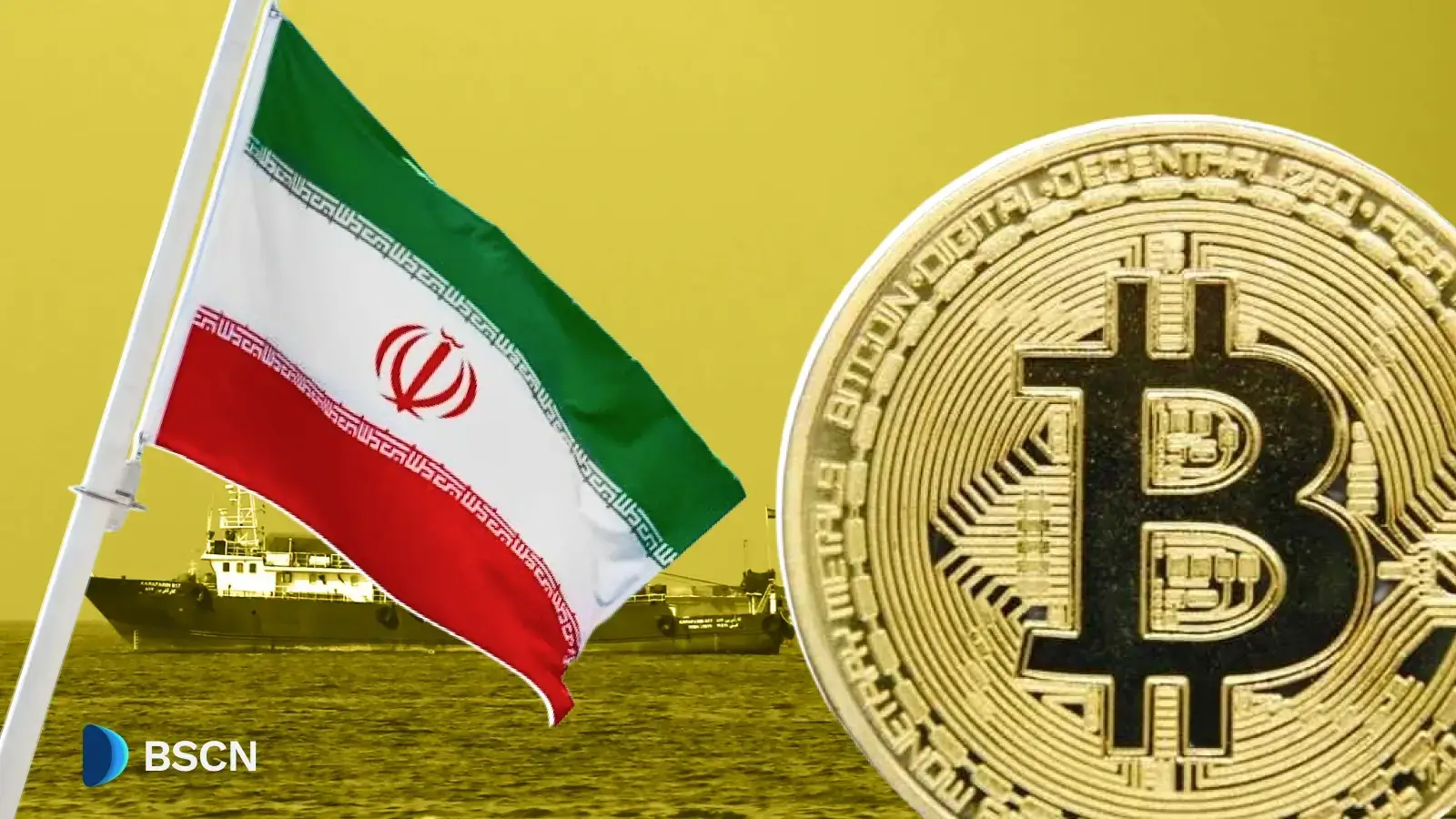
Iran's Supreme Leader Mojtaba Khamenei has ordered that the country's near-weapons-grade uranium stockpile must remain within its borders, deepening a standoff with the US and pushing oil prices higher.
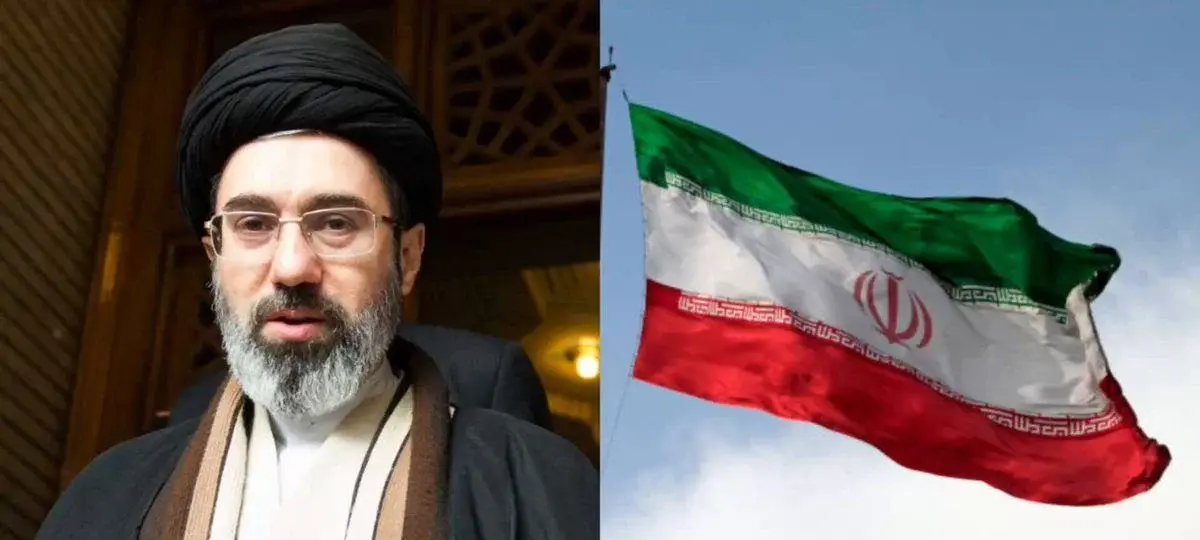
Iran's Supreme Leader has issued a directive that the country's near-weapons-grade uranium should not be sent abroad, two senior Iranian sources said, hardening Tehran's stance on one of the main US demands at peace talks. Ayatollah Mojtaba Khamenei's order could further frustrate US President Donald Trump and complicate talks on ending the US-Israeli war on Iran.
Uranium Must Stay, Tehran Says
"The Supreme Leader's directive, and the consensus within the establishment, is that the stockpile of enriched uranium should not leave the country," said one of the two Iranian sources, who spoke on condition of anonymity because of the sensitivity of the matter. Iran's top officials believe that sending the material abroad would leave the country more vulnerable to future attacks by the United States and Israel.
Israeli officials have told Reuters that Trump has assured Israel that Iran's stockpile of highly enriched uranium, needed to make an atomic weapon, will be sent out of Iran and that any peace deal must include a clause on this. Israeli Prime Minister Benjamin Netanyahu has said he will not consider the war over until enriched uranium is removed from Iran, Tehran ends its support for proxy militias, and its ballistic missile capabilities are eliminated.
The two sides have started to narrow some gaps, but deeper splits remain over Tehran's nuclear programme, including the fate of its enriched uranium stockpiles and Tehran's demand for recognition of its right to enrichment. Before the war, Iran had signalled a willingness to ship out half of its stockpile of uranium, enriched to 60%, a level far higher than what is needed for civilian uses. The IAEA estimates that Iran had 440.9 kg of uranium enriched to 60% when Israel and the US attacked Iranian nuclear facilities in June 2025, though how much of that has survived is unclear.
Energy Markets Feel the Pressure
The diplomatic deadlock is feeding directly into energy markets. $WTI crude's rally reflects heightened geopolitical risks linked to US-Iran tensions and potential uranium enrichment by Iran. The Persian Gulf would typically supply economies with around 20 million barrels of oil per day, and the war triggered a surge in prices that topped at $120 per barrel in March.
Disruptions in the Strait of Hormuz continue to support oil prices and, although some vessels have resumed transit, the key shipping route remains largely restricted. Market participants are pricing in the potential for supply disruptions at this critical global chokepoint.
Iranian officials have repeatedly said Tehran's priority is to secure a permanent end to the war and credible guarantees that the US and Israel will not launch further attacks. Only after such assurances are in place, they say, would Iran be prepared to engage in detailed negotiations over its nuclear programme.
Sources:
Geo.tv / Reuters: Supreme Leader says enriched uranium must stay in Iran
CNBC: Oil prices rise on Iran war worries
Trading Economics: WTI Crude Oil Price
Latest News

Read More...




(Advertisement)
Author
 UC Hope
UC holds a bachelor’s degree in Physics and has been a crypto researcher since 2020. UC was a professional writer before entering the cryptocurrency industry, but was drawn to blockchain technology by its high potential. UC has written for the likes of Cryptopolitan, as well as BSCN. He has a wide area of expertise, covering centralized and decentralized finance, as well as altcoins.
