News
(Advertisement)


Iran Wants Ships To Pay Bitcoin Just To Pass Through Hormuz

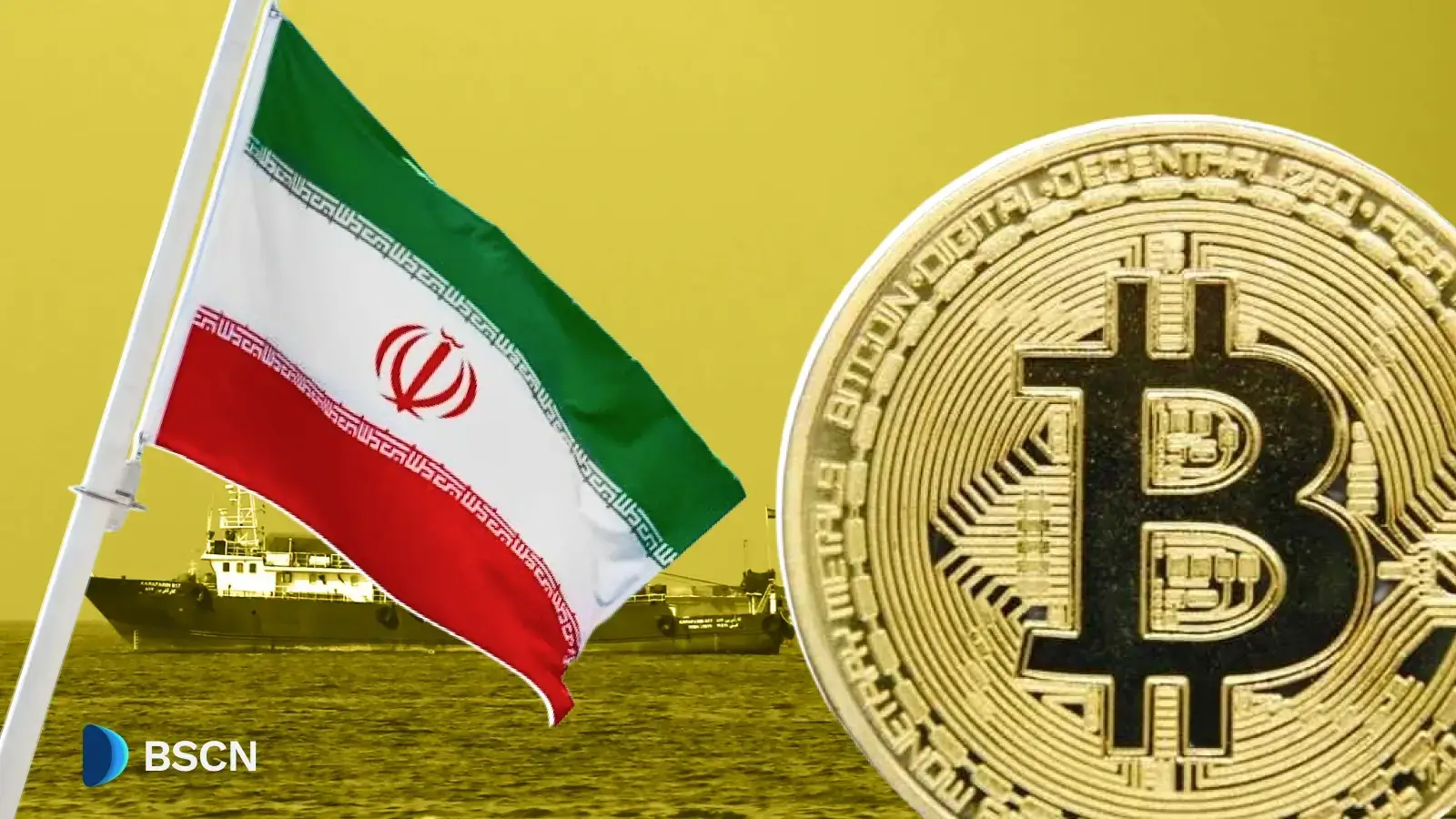
Iran has launched Hormuz Safe, a Bitcoin-based maritime insurance platform for vessels crossing the Strait of Hormuz, raising fresh sanctions concerns for global shippers.

Soumen Datta
May 18, 2026

(Advertisement)
Table of Contents
Iran has launched a state-backed maritime insurance platform called Hormuz Safe that accepts payments in cryptocurrency, including Bitcoin, for coverage on cargo vessels crossing the Strait of Hormuz. The platform was reported by Iran's IRGC-affiliated Fars News Agency on Saturday and Sunday, and Iran's Economy Ministry has reportedly been developing the broader strategy since early May 2026.
What Is The Hormuz Safe Platform?
Hormuz Safe is being presented by Iranian authorities as the only sovereign-backed insurance mechanism for commercial vessels seeking what Tehran calls "safe passage" through the Persian Gulf, the Strait of Hormuz, and surrounding waterways. According to Iran International, the system works as follows:
- Ships apply for coverage through the platform's digital system
- Payments can be settled using payment options including Bitcoin.
- Coverage activates from the moment of blockchain confirmation
- A cryptographically signed digital receipt is issued to the cargo owner
The platform also reportedly issues encrypted authentication certificates and digitally verifiable insurance policies. Iran is framing Hormuz Safe as a financial tool that gives Tehran administrative control over one of the world's most important oil shipping corridors.
Why Is Bitcoin The Settlement Currency?
Bitcoin is a decentralized digital currency that operates outside the traditional banking system. Because international sanctions targeting Iran rely heavily on restricting access to SWIFT, the global interbank messaging network, settling payments in Bitcoin allows Iran to process transactions that would otherwise be blocked.
The U.S. has repeatedly accused Tehran of using cryptocurrency to circumvent banking restrictions, and the Hormuz Safe platform, if it scales, would represent one of the more structured state-level applications of that approach.
Is The Hormuz Safe Platform Operational Right Now?
As of the time of reporting, the platform's website displays a "Coming Soon" landing page. Full technical and legal specifications have not been publicly disclosed.
Iranian media claims the initiative could eventually generate more than $10 billion in annual revenue, though Fars News provided no breakdown of how that figure was calculated. Details are expected to evolve quickly given how recently the initiative was announced.
What Is The Geopolitical Context Behind This Launch?
The platform's announcement comes during one of the most serious maritime crises in the Gulf in decades. Following the U.S.-Israeli conflict with Iran that began on February 28, the United States launched a naval blockade aimed at restricting Iranian commercial exports and shipping activity. The Strait of Hormuz handles roughly 20% of global oil and liquefied natural gas trade, and Iran has previously threatened to close it during periods of regional tension.
The real-world impact on shipping has already been significant:
- Multiple oil tankers have reportedly become stranded in the region
- Maritime insurance costs have surged industry-wide
- Global energy prices have experienced sharp volatility
Bloomberg reported that U.S. naval forces blocked or redirected several commercial vessels near the Gulf, including a Greek-operated tanker carrying nearly 2 million barrels of Iraqi crude bound for Vietnam. Ship-tracking data cited by Bloomberg also showed that some Chinese and Iranian-linked vessels were still navigating through parts of the Strait despite restrictions.
What Are The Sanctions Risks For Shipping Companies?
Western compliance experts and U.S. government advisories have long warned that payments to Iranian state-backed entities may trigger violations under the Office of Foreign Assets Control, known as OFAC.
Any shipping operator considering using Hormuz Safe would need to consult legal and sanctions counsel before engaging with the platform. So far, the White House, the Pentagon, major Western maritime insurers, and Gulf governments have not issued any official response to the platform's reported launch.
Cybersecurity professionals have also flagged a separate concern. Since the start of the conflict, crypto-based scams impersonating Iranian government authorities and collecting fake "safe passage" fees from vessel operators have multiplied. Hormuz Safe appears to be a distinct, state-sanctioned initiative, but the overlap in framing creates real confusion risks for operators in the region.
Conclusion
Hormuz Safe is Iran's attempt to build a financial infrastructure layer around one of the world's most critical oil shipping chokepoints, using Bitcoin to sidestep the Western sanctions architecture. The platform is not yet live, key technical details remain undisclosed, and major open questions persist around international legal recognition and sanctions exposure for any operator that uses it.
Resources
Iran International Iran Launches Maritime Insurance Platform for Strait of Hormuz Shipping.
Bitcoin News Bitcoin Insurance for Persian Gulf Cargo: Iran Launches Hormuz Safe, Claims $10B Revenue.
Kurdistan 24 Iran Launches Hormuz Safe Insurance Platform as Maritime Tensions Deepen in Strait of Hormuz
Bloomberg Strait of Hormuz Shipping Stalls as US-Blocked Tanker Resumes Voyage.
Read Next...





Frequently Asked Questions
What is Hormuz Safe?
Hormuz Safe is an Iranian state-backed maritime insurance platform that issues digitally verified coverage certificates for cargo vessels transiting the Strait of Hormuz and Persian Gulf. Payments are settled in Bitcoin, with coverage beginning from the moment of blockchain confirmation.
Is it legal for international shipping companies to use Hormuz Safe?
Using the platform may violate U.S. sanctions under OFAC rules, which restrict payments to Iranian state-linked entities. Western compliance experts advise that any company considering the platform seek legal and sanctions counsel before making any payment.
Why is Iran using Bitcoin for maritime insurance payments?
Bitcoin allows Iran to process financial transactions outside the SWIFT banking system, which is subject to U.S. and international sanctions. The U.S. has previously accused Tehran of using cryptocurrency to bypass those restrictions, and Hormuz Safe appears to formalize that approach at a state level.
Disclaimer
Disclaimer: The views expressed in this article do not necessarily represent the views of BSCN. The information provided in this article is for educational and entertainment purposes only and should not be construed as investment advice, or advice of any kind. BSCN assumes no responsibility for any investment decisions made based on the information provided in this article. If you believe that the article should be amended, please reach out to the BSCN team by emailing [email protected].
Author
 Soumen Datta
Soumen has been a crypto researcher since 2020 and holds a master’s in Physics. His writing and research has been published by publications such as CryptoSlate and DailyCoin, as well as BSCN. His areas of focus include Bitcoin, DeFi, and high-potential altcoins like Ethereum, Solana, XRP, and Chainlink. He combines analytical depth with journalistic clarity to deliver insights for both newcomers and seasoned crypto readers.
(Advertisement)
Latest News
3h : 57m ago

What is the Nakamoto Coefficient & Why Does it Matter?
4h : 49m ago

How to Trade on Robinhood Chain, Crypto's Busiest New Memecoin Market
6h : 17m ago

Insights from CoinGecko's Q2 Crypto Report
8h : 32m ago
Why Is Sui's Approach to Storing Data On Chain Different From Most Blockchains?
10h : 47m ago

Why Does XRP Move Faster Than Bitcoin, And What Makes It Possible?
11h : 2m ago

Top 8 Prediction Markets in Crypto Today
July 16, 2026

Grayscale Picks Its Most Promising Tokenization Blockchains
July 16, 2026

Crypto's Top Five Centralized Exchanges
(Advertisement)

Crypto Project & Token Reviews
Project & Token Reviews
Comprehensive reviews of crypto's most interesting projects and assets
Learn about the hottest projects & tokens

Latest Crypto Articles
Get up to date with the latest crypto news stories and events