News
(Advertisement)


Ethereum Latest Updates: Foundation Leadership Shake-Up and Glamsterdam Upgrade Progress

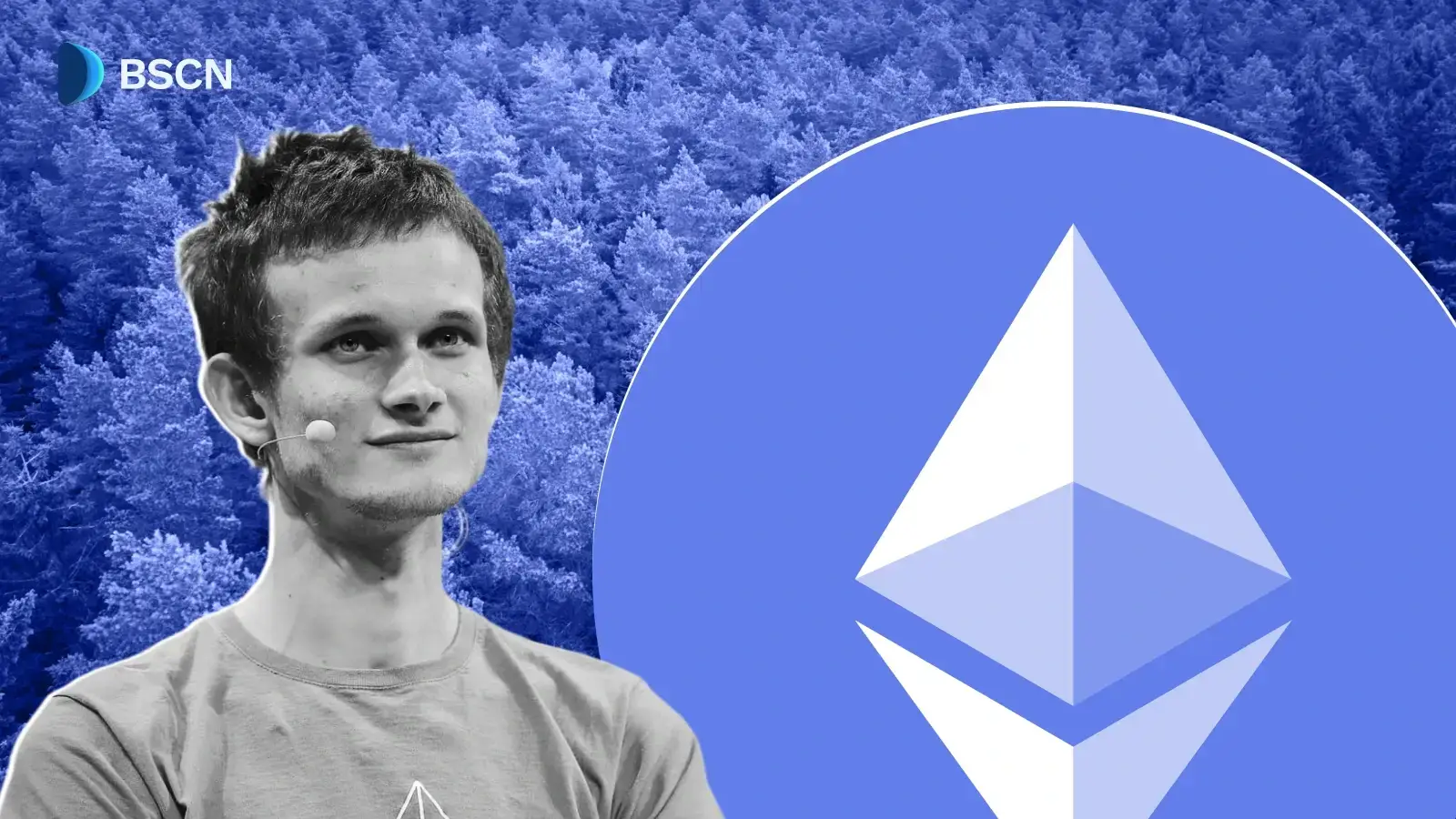
Ethereum's Protocol Cluster gets three new co-leads as Glamsterdam devnets go live. Here's what the latest leadership changes and upgrade progress mean for the network in 2026.

Soumen Datta
May 12, 2026
(Advertisement)
Table of Contents
In the past 30 days, Ethereum saw a key leadership change inside the Ethereum Foundation and clear steps forward on its next big network upgrade called Glamsterdam. These events fit into the network’s steady work on scaling and security, following upgrades like Pectra in May 2025 and Fusaka in December 2025.
What Recent Changes Occurred at the Ethereum Foundation?
On May 11, 2026, the Ethereum Foundation announced a transition in its Protocol Cluster, the team that leads core network development. Barnabé Monnot and Tim Beiko are leaving their roles soon. Alex Stokes is taking a sabbatical. Three new co-leads stepped in: Will Corcoran, Kev Wedderburn, and Fredrik Svantes. Their combined expertise covers zero-knowledge virtual machines, protocol security, and post-quantum protections.
This move continues a broader restructuring at the foundation that started more than a year ago. In February 2026, co-executive director Tomasz Stańczak stepped down after helping streamline operations.
The changes aim to keep the team focused on long-term protocol health rather than short-term trends.
In a separate treasury action, the foundation unstaked 21,271 ETH worth about $49.6 million from the Lido staking pool. This was the second large unstake in recent weeks. Officials said the move supports operations, grants, and rebalancing, not a shift in strategy.
Has Ethereum Made Progress on Its Glamsterdam Upgrade?
Yes. Multiple devnets for Glamsterdam are now running with several clients working together. Developers completed end-to-end tests of enshrined Proposer-Builder Separation, or ePBS. This system lets the network handle block building more efficiently by separating the roles of proposing and building blocks. It also reduces certain types of value extraction that can affect users.
The upgrade includes EIP-8037, which raises the gas cost for creating new state on the chain. The goal is to control database growth and keep nodes manageable for everyday operators.
Teams also ran a successful interop event in Svalbard to test how different clients communicate.Glamsterdam builds directly on Fusaka, which arrived in December 2025 and introduced PeerDAS. That change improved data availability for layer-2 networks by letting Ethereum verify large data batches without every node downloading everything.
Pectra, activated in May 2025, had already raised the maximum validator balance from 32 ETH to 2,048 ETH and added other staking and execution improvements.
Core developers now target a 200 million gas limit floor once Glamsterdam ships. The current mainnet limit sits lower, so the increase would allow more transactions per block and support heavier layer-2 activity.
How Do These Updates Fit Ethereum’s 2026 Priorities?
The Ethereum Foundation laid out three main tracks for 2026 earlier in the year: Scale, User Experience, and Security. Glamsterdam falls under Scale. It pushes layer-1 gas limits higher, improves blob parameters, and prepares for further increases beyond 100 million gas. These steps help layer-2 networks post data more cheaply and handle more users without raising fees on the base chain.
Account abstraction work from Pectra also continues to make wallets easier to use. Users can pay fees with other tokens in some cases and enjoy smoother interactions. The network’s focus remains on real permissionless infrastructure that stays robust for decades.
Key Points from the Past Month
- New Protocol Cluster co-leads named to guide scaling and security work
- Glamsterdam devnets active with ePBS testing complete
- Ethereum Foundation unstaked $49.6 million in ETH for treasury needs
- Ongoing push toward 200 million gas limit after Glamsterdam
Conclusion
Ethereum’s recent activity shows a network that keeps improving its technical base. The leadership transition keeps development on track while Glamsterdam advances scaling tools already proven in earlier upgrades. Users today benefit from lower layer-2 fees and more reliable staking introduced in Pectra and Fusaka. The protocol continues to deliver higher throughput and stronger security without relying on hype or untested promises.
Resources
Ethereum Foundation Blog 1: Protocol Priorities Update for 2026
Ethereum Foundation Blog 2: Protocol Cluster Updates: May 2026
Ethereum Foundation Blog 3: Protocol Cluster Updates: May 2026
Report by Crypto News: Ethereum Foundation unstaked 21,270 ETH as treasury activity draws attention
Read Next...

Frequently Asked Questions
What is the Glamsterdam upgrade?
Glamsterdam is Ethereum’s next major network upgrade after Fusaka. It focuses on higher gas limits, better data handling through ePBS, and controls on state growth to keep the chain efficient and decentralized.
Why did the Ethereum Foundation make leadership changes?
The foundation is restructuring its Protocol team to maintain steady progress on core development. Outgoing contributors are handing over to new leads with strong backgrounds in zero-knowledge tech and security.
What does the recent unstaking of ETH mean?
The foundation moved staked ETH back to its treasury to fund operations and grants. It does not signal a sell-off or change in long-term holdings.
Disclaimer
Disclaimer: The views expressed in this article do not necessarily represent the views of BSCN. The information provided in this article is for educational and entertainment purposes only and should not be construed as investment advice, or advice of any kind. BSCN assumes no responsibility for any investment decisions made based on the information provided in this article. If you believe that the article should be amended, please reach out to the BSCN team by emailing [email protected].
Author
 Soumen Datta
Soumen has been a crypto researcher since 2020 and holds a master’s in Physics. His writing and research has been published by publications such as CryptoSlate and DailyCoin, as well as BSCN. His areas of focus include Bitcoin, DeFi, and high-potential altcoins like Ethereum, Solana, XRP, and Chainlink. He combines analytical depth with journalistic clarity to deliver insights for both newcomers and seasoned crypto readers.
(Advertisement)
Latest News
July 10, 2026

How Do PancakeSwap's CAKE Token Burns Actually Work?
July 10, 2026

Report: Ripple & The XRP Ecosystem in H1 2026
July 10, 2026
How Is Cardano Advancing Financial Inclusion in Developing Countries?
July 10, 2026
Why Was Sui Built From Scratch Instead of Forking an Existing Blockchain?
July 9, 2026
Trust Wallet Adds Native Support for Robinhood Chain, Opening Stock Tokens to 220 Million Users
July 9, 2026
Robinhood Chain Explodes Post-Mainnet Launch
July 9, 2026
Is Avalanche AVAX Bringing Hyundai On Chain?
July 9, 2026
Stop Tokenizing Assets You Don't Control
(Advertisement)

Crypto Project & Token Reviews
Project & Token Reviews
Comprehensive reviews of crypto's most interesting projects and assets
Learn about the hottest projects & tokens

Latest Crypto Articles
Get up to date with the latest crypto news stories and events