News
(Advertisement)


Fed Rate Cuts & Money Printing Incoming, Says Hayes

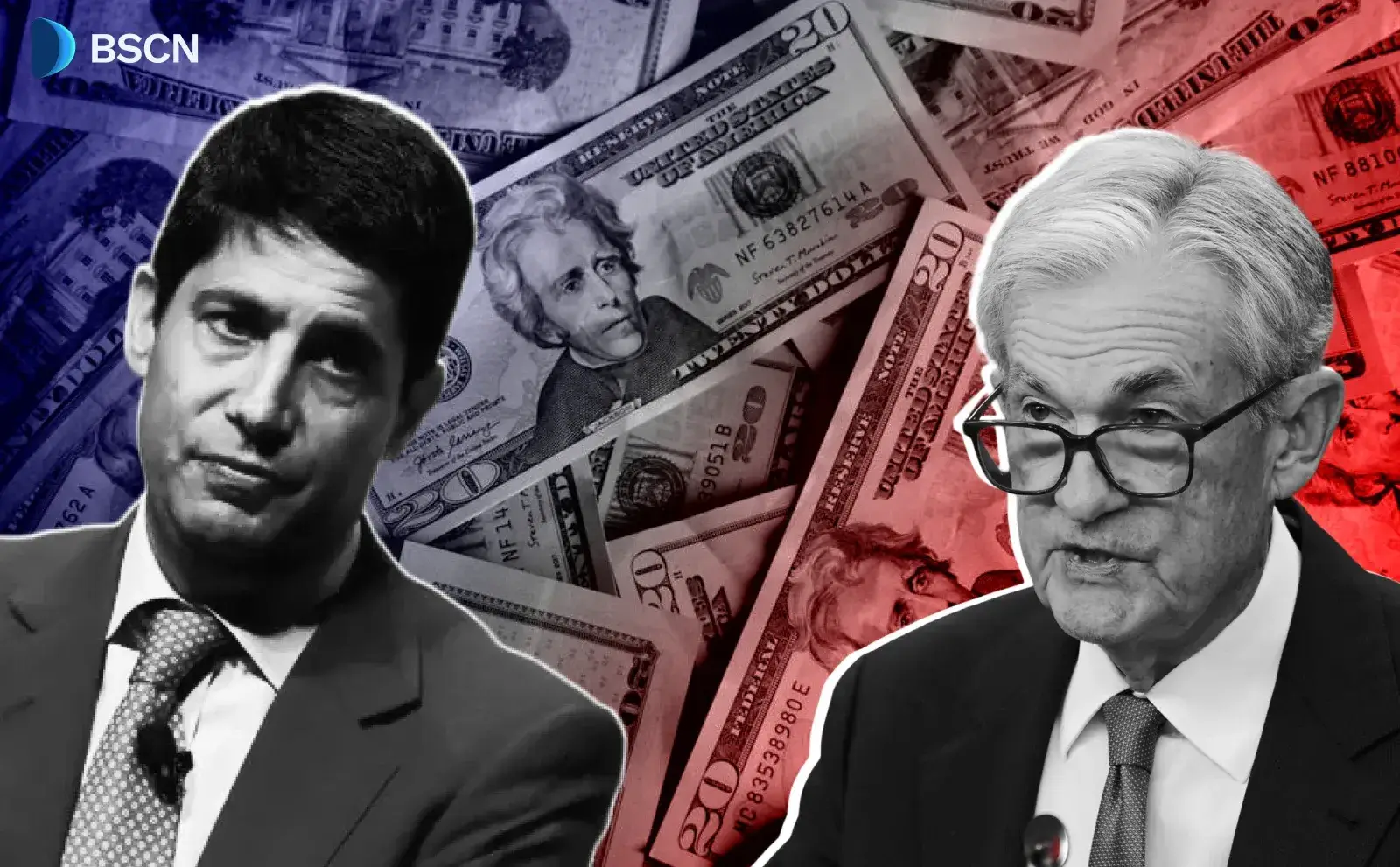
Arthur Hayes argues the U.S.-Iran conflict could force Fed rate cuts and money printing, creating bullish conditions for Bitcoin. Here's his full thesis.

Crypto Rich
March 3, 2026

(Advertisement)
Table of Contents
Arthur Hayes thinks the Federal Reserve will be forced to cut interest rates and fire up the money printer to fund America's latest Middle East conflict. If he's right, Bitcoin stands to benefit in a big way.
The BitMEX co-founder and CIO of Maelstrom Fund laid out his case in a new essay titled "iOS Warfare," published on March 2. His core argument is simple: every time the U.S. has engaged in major military action in the Middle East since 1985, the Fed responded by cutting rates or expanding the money supply to finance the effort. Hayes believes the current U.S.-Iran conflict will follow the same script.
What Pattern Is Hayes Pointing To?
Hayes backs his thesis with four decades of data.
During the 1990 Gulf War, the Fed shifted toward rate cuts as the conflict continued. After the September 11 attacks, then-Chair Alan Greenspan implemented an emergency 50-basis-point rate cut. Hayes also pointed to the 2009 Afghanistan troop surge under Obama, which overlapped with aggressive monetary easing.
The playbook, according to Hayes, goes like this: war drives up government spending, which pressures the Fed to lower borrowing costs and inject liquidity into the system. The longer the conflict drags on, the higher the probability of easing.
This prediction comes as U.S. and Israeli forces conducted airstrikes on Iran over the weekend that reportedly killed Supreme Leader Ali Khamenei, with President Trump pledging continued involvement. Oil surged roughly 7% on the news while U.S. equities dipped only modestly, suggesting markets are pricing in disruption but not panic.
What Does This Mean for Bitcoin?
Hayes argues that when the money supply expands, scarce assets like Bitcoin benefit as the dollar weakens and liquidity floods back into markets.
Bitcoin is currently trading in the $67,000 to $68,000 range, down roughly 46% from its all-time high of $126,210 reached in October 2025. The asset has declined for five consecutive months, a streak not seen since 2018.
The market already showed its sensitivity to these geopolitical headlines. When initial reports of strikes surfaced on February 28, Bitcoin dropped sharply from around $66,000 to roughly $63,600 within minutes. By later that evening, BTC had rebounded to approximately $67,000. That quick reversal highlights how reactive crypto remains to both macro shocks and shifting liquidity expectations.
Despite his bullish long-term view, Hayes is not telling anyone to go all in right now. He recommended patience and told readers to wait until the Fed actually begins cutting before adding exposure.
Why Are Some Analysts Skeptical?
Not everyone is buying the thesis. Critics argue the Fed responds to liquidity breaks and growth collapses, not conflict headlines on their own.
Rising oil prices complicate the picture further. Higher energy costs can drive inflation back up, which makes the Fed more cautious and could push any policy easing back several months.
There's also the timing problem. Hayes has made several similar calls in the past that didn't fully play out. In September 2025, he predicted Bitcoin could reach $3.4 million by 2028, with interim targets of $500,000 to $750,000 by end of 2026. Bold, but unproven.
Key indicators to watch include credit spreads, dollar liquidity, Treasury stress, CPI trends, and most importantly, any actual Fed communication signaling a policy shift.
What Should Investors Do?
Hayes himself puts it plainly: wait for the signal, not the noise. A confirmed rate cut or clear shift toward quantitative easing would be the green light. Until then, patience beats FOMO.
CME FedWatch and prediction markets currently show a 95 to 96% chance of no change at the March 18 meeting, with rates likely holding at 3.5 to 3.75%. That means the earliest any easing could realistically arrive is further out. The thesis is a medium- to long-term macro bet, not a trade for this week.
Whether Hayes is right on time or early again, the underlying logic holds weight. Wars are expensive. Governments print money to pay for them. And when the money supply expands, hard assets tend to follow.
Sources:
- Arthur Hayes / Substack Original "iOS Warfare" essay by Hayes laying out his thesis on U.S.-Iran conflict, Fed easing, and Bitcoin.
- Cointelegraph Original coverage of Hayes' prediction linking U.S.-Iran conflict to Fed monetary easing.
- UEEx Technology Detailed breakdown of Hayes' historical parallels and Bitcoin's response to the weekend strikes.
- CoinGape Analysis of Fed rate cut probability and Bitcoin price structure amid geopolitical tensions.
- CCN Background on Hayes' track record of Fed-related Bitcoin predictions including his September 2025 price targets.
Read Next...




Disclaimer
Disclaimer: The views expressed in this article do not necessarily represent the views of BSCN. The information provided in this article is for educational and entertainment purposes only and should not be construed as investment advice, or advice of any kind. BSCN assumes no responsibility for any investment decisions made based on the information provided in this article. If you believe that the article should be amended, please reach out to the BSCN team by emailing [email protected].
Author
 Crypto Rich
Rich has been researching cryptocurrency and blockchain technology for eight years and has served as a senior analyst at BSCN since its founding in 2020. He focuses on fundamental analysis of early-stage crypto projects and tokens and has published in-depth research reports on over 200 emerging protocols. Rich also writes about broader technology and scientific trends and maintains active involvement in the crypto community through X/Twitter Spaces, and leading industry events.
(Advertisement)
Latest News
1h : 57m ago
How Much Funding Has Canton Developer Digital Asset Raised?
3h : 28m ago

What is Aptos' AIP-146 and Is It Good News for APT?
5h : 49m ago

What Happens to Unverified Pi Balances If Users Miss the Deadline?
9h : 34m ago
What Is in Trump's CLARITY Act Ethics Deal?
July 21, 2026

Pudgy Penguins to Reach Millions with Target Placement
July 21, 2026
What is the GENIUS Act and Why Does it Matter?
July 21, 2026
What Is Jimothy Memecoin?
July 21, 2026

What Is the Cardano Van Rossem Upgrade?
(Advertisement)

Crypto Project & Token Reviews
Project & Token Reviews
Comprehensive reviews of crypto's most interesting projects and assets
Learn about the hottest projects & tokens

Latest Crypto Articles
Get up to date with the latest crypto news stories and events