

Risk-on across the board after Trump says he'll end the Iran war "very quickly"
Oil prices dropped nearly 6% and equities rallied after President Trump signalled a swift end to the Iran war, though analysts warn oil markets are still underpricing supply risk from the Strait of Hormuz disruption.
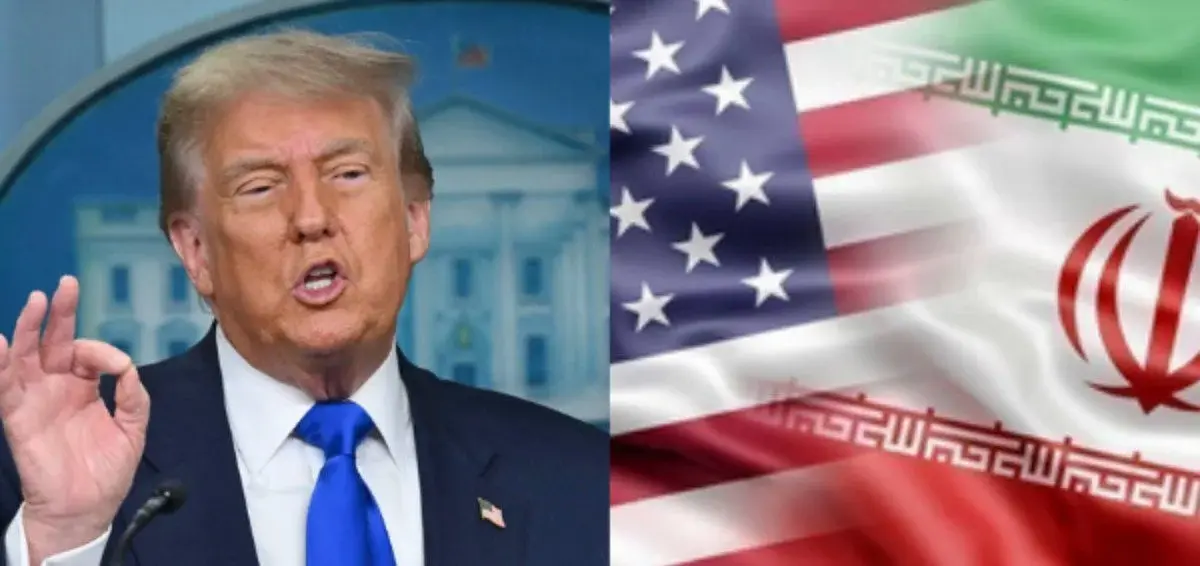
Markets Catch a Sharp De-escalation Bid
Oil tumbled and equities rallied on Wednesday after President Donald Trump said the US would end the Iran war "very quickly." Oil prices lost about 5% after Trump again asserted the war will end "very quickly," though investors remain wary about the outcome of peace talks as disruption to Middle Eastern supply continues. WTI crude fell to around $97.90 and Brent dropped to near $104.80.
The mood was complicated by Trump's own caveats. Trump also said the United States may need to strike Iran again and had been an hour away from ordering an attack before its postponement. That mixed message kept a lid on how far the relief rally could run.
US equities moved broadly higher in mid-session trade: Nasdaq +1.17%, Dow +1.03%, S&P 500 +0.81%, and the Russell 2000 outperforming at +2.16%. Crypto turned green in tandem, with $BTC up 0.85% and $ETH up 0.9%. Smaller tokens posted sharper moves, with $ZEC gaining around 13% and $DASH up roughly 15% on the day.
Analysts Still See Oil as Underpriced on Supply Risk
Despite the sell-off in crude, major banks argue markets have not fully priced in the structural damage to supply. Analysts at Citi said they expected Brent crude to rise to $120 a barrel in the near term, stating that oil markets are underpricing the risk of prolonged supply disruption, and Wood Mackenzie estimated that prices could approach $200 if the Strait of Hormuz stays largely shut until the end of the year.
The tanker picture underlines the concern. Three supertankers were crossing the Strait of Hormuz on Wednesday carrying oil bound for Asian markets, after waiting in the Gulf for more than two months with 6 million barrels of crude on board. The number of vessels crossing the strait remains well below the 130 or so ships that crossed daily before the war.
The World Bank has also flagged the scale of the disruption. The closure of the Strait of Hormuz has led to the largest oil market disruption in history, with global oil supply crashing by 10.1 million barrels per day in March due to attacks on energy infrastructure and restrictions on tanker traffic.
Even a deal may not deliver an immediate price relief valve. LSEG research analyst Emril Jamil noted that "prices are likely to still exhibit some upside potential even if a deal is concluded, given that supply will likely not return to pre-war levels immediately."
Sources:
CNBC: Oil prices fall 5% after Trump comments while analysts point to supply crunch
World Bank: Strait of Hormuz disruption sends oil prices surging
ING Think: Oil forecasts raised as prolonged Strait of Hormuz disruption continues
Latest News





Read More...




(Advertisement)
Author
 Crypto Rich
Rich has been researching cryptocurrency and blockchain technology for eight years and has served as a senior analyst at BSCN since its founding in 2020. He focuses on fundamental analysis of early-stage crypto projects and tokens and has published in-depth research reports on over 200 emerging protocols. Rich also writes about broader technology and scientific trends and maintains active involvement in the crypto community through X/Twitter Spaces, and leading industry events.
