Deepdive
(Advertisement)


Europe's MiCA Regulation: What It Is & Why It Matters

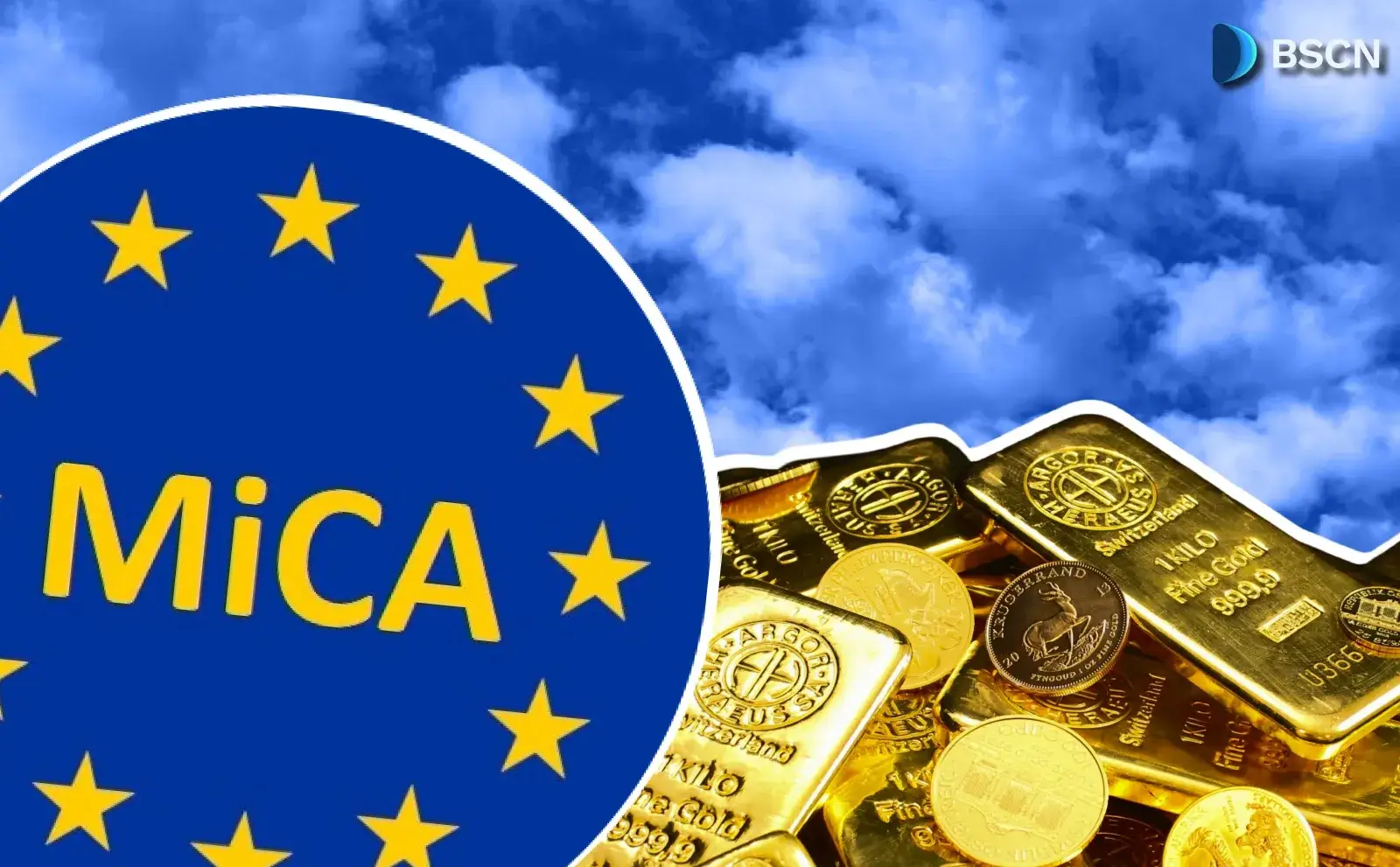
MiCA is the EU's single crypto rulebook. With the July 1, 2026 deadline days away, here's what it covers, who must comply, and why it matters.

Crypto Rich
June 24, 2026

(Advertisement)
Table of Contents
MiCA is the European Union's single rulebook for crypto. It applies a single set of licensing, disclosure, and consumer-protection rules across all 27 member states, replacing the patchwork of national regimes that have governed the industry for years. Formally Regulation (EU) 2023/1114, it is the first comprehensive crypto framework adopted by a major jurisdiction.
The reason it matters right now is that the final transitional window closes on July 1, 2026. After that date, any firm serving EU clients without a MiCA license is breaking EU law. In April 2026, ESMA confirmed there would be no extension. For thousands of crypto businesses, the grace period is over.
What is MiCA?
MiCA sets rules for crypto-assets that are not already covered by existing financial law, such as securities under MiFID II. It governs three things: how tokens are issued and offered to the public, how they get listed on trading platforms, and how service providers operate.
It sorts tokens into three buckets:
- Other crypto-assets. This covers Bitcoin, Ethereum, and most utility tokens. The rules are lightest here, centered on a published crypto-asset white paper, so buyers can see the risks.
- Asset-referenced tokens (ARTs). Stablecoins backed by a basket of assets or currencies. Stricter requirements apply.
- E-money tokens (EMTs). Stablecoins pegged 1:1 to a single official currency, like the euro or the dollar. These must be issued by a licensed bank or e-money institution.
A few things sit outside MiCA: NFTs (unless they are fractionalized or behave like other tokens), fully decentralized protocols with no intermediary, central bank digital currencies, and anything already regulated as a financial instrument.
How did we get here?
The rollout ran in stages:
- June 2023: MiCA entered into force after publication in the EU's Official Journal.
- June 30, 2024: the stablecoin rules for ARTs and EMTs became applicable.
- December 30, 2024: the full licensing regime for service providers, and most remaining rules, took effect.
- July 1, 2026: the transitional "grandfathering" window closes. Firms operating under old national rules must hold a full MiCA license by this date or stop serving EU clients.
National windows varied. Some countries, including the Netherlands, Finland, and Hungary, ran short six-month transitions that ended in 2025. July 1, 2026 is the hard outer limit that no member state can extend.
Who has to comply?
Any firm offering crypto services to EU clients is considered a Crypto-Asset Service Provider (CASP). That includes custody, running a trading platform, swapping crypto for cash or other crypto, executing orders, giving advice, and managing portfolios.
To operate, a CASP needs authorization from one national regulator. The payoff is "passporting": a single license lets a firm serve the entire EU and wider European Economic Area. Pick one regulator, reach roughly 450 million people.
The core requirements include:
- An EU-registered company with EU-resident management.
- Minimum capital between €50,000 and €150,000, depending on the services offered.
- Governance, risk, cybersecurity, and business-continuity controls.
- Client assets are kept separate from company funds and properly safeguarded.
- Anti-money-laundering compliance and bans on insider dealing and market manipulation.
Stablecoin issuers face even tougher terms: prior authorization, detailed white papers, high-quality reserves, and the right for holders to redeem at par.
The clearest effect so far: stablecoins
The most visible change has hit stablecoins. MiCA prohibits regulated EU platforms from offering tokens issued by unauthorized issuers. Tether, which issues $USDT and runs the largest stablecoin with a market value above $150 billion, chose not to apply. CEO Paolo Ardoino has argued that MiCA's rule requiring a large share of reserves in EU bank deposits does not align with Tether's model.
The fallout came fast. Coinbase dropped USDT for EEA users in December 2024, and Binance, Kraken, and Crypto.com followed through early 2025. Holding or transferring USDT is still legal; what is banned is offering it to the public on a regulated venue. Daily USDT volume on EU-regulated platforms has fallen sharply since, with some estimates putting the drop at up to 40%. Compliant tokens such as Circle's $USDC and $EURC, and SG-FORGE's $EURCV, have moved to fill the space. On the licensed side, 20 e-money token issuers have been authorized so far, and not a single asset-referenced token issuer.
Why it matters now
For users, MiCA brings clearer disclosures, custody that keeps client funds separate and protected, and supervised platforms with oversight of how trades are priced and executed. The aim is fewer rug pulls, frauds, and custody blowups.
For the industry, the prize is legal certainty after years of fragmented rules, plus single-market scale through passporting. That combination is pulling in banks and other institutional players. The cost is steep compliance spending and higher barriers to entry, which is thinning the field and pushing some activity offshore.
ESMA's register currently lists 230 authorized CASPs across the bloc, and only 15 of them are cleared to operate an EU-wide trading platform. Germany holds the largest share with 56 licenses, just under a quarter of the total, ahead of the Netherlands on 26 and France on 21. The survivors include most of the big names, with Coinbase licensed in Luxembourg, Kraken in Ireland, and OKX, Crypto.com, and Gemini in Malta. Set against the thousands that operated under the old regimes, only a small fraction have made it through. The penalties for the rest are real: under Article 111, fines for operating without authorization can reach 5% of a firm's annual turnover.
The highest-profile name still working through it is Binance. The world's largest exchange applied through Greece in January, then withdrew the bid in mid-June after regulators signaled a rejection, and it says it will now seek authorization in another member state. If it does not secure approval before July 1, Binance will be unable to legally serve EU clients.
What comes after July 1
Licensed firms will passport across borders and expand. Unlicensed ones will either wind down their EU business or geo-block EU users. Enforcement is the next test, and regulators have signaled they will scrutinize firms that continue to operate without a license.
MiCA is not the finish line. The European Commission is reviewing areas the rules left out, including decentralized finance and parts of the stablecoin market, so a second round, already nicknamed MiCA 2.0 in the industry, is likely. July 1 is the hard line. Hold a license by then, or stop serving EU clients.
Sources:
- ESMA: Markets in Crypto-Assets Regulation (MiCA) The EU securities regulator's official MiCA hub, including the interim register of authorized CASPs, stablecoin issuers, and white papers.
- ESMA: Register of Crypto-Asset Service Providers The official, weekly-updated register behind the authorization counts, published as downloadable CSV files under Article 109.
- EUR-Lex: Regulation (EU) 2023/1114 The full legal text of MiCA, covering token categories, CASP requirements, transitional measures, and penalty provisions.
- European Commission: Crypto-assets The Commission's digital finance page on MiCA's goals, scope, and how it fits with related EU rules like DORA and the Travel Rule.
Read Next...



Disclaimer
Disclaimer: The views expressed in this article do not necessarily represent the views of BSCN. The information provided in this article is for educational and entertainment purposes only and should not be construed as investment advice, or advice of any kind. BSCN assumes no responsibility for any investment decisions made based on the information provided in this article. If you believe that the article should be amended, please reach out to the BSCN team by emailing [email protected].
Author
 Crypto Rich
Rich has been researching cryptocurrency and blockchain technology for eight years and has served as a senior analyst at BSCN since its founding in 2020. He focuses on fundamental analysis of early-stage crypto projects and tokens and has published in-depth research reports on over 200 emerging protocols. Rich also writes about broader technology and scientific trends and maintains active involvement in the crypto community through X/Twitter Spaces, and leading industry events.
(Advertisement)
Latest News
0h : 11m ago

Report: Cardano's Biggest Updates from H1 2026
2h : 44m ago

What is an XDC Network Masternode Validator?
July 13, 2026
Telebiz Goes Live With an Open-Source CRM Built Directly Into Telegram
July 13, 2026
Will Robinhood Chain Push ETH's Price to All Time Highs?
July 13, 2026
What is BlackRock's BUIDL Fund on Avalanche AVAX?
July 10, 2026

How Do PancakeSwap's CAKE Token Burns Actually Work?
July 10, 2026

Report: Ripple & The XRP Ecosystem in H1 2026
July 10, 2026

How Is Cardano Advancing Financial Inclusion in Developing Countries?
(Advertisement)

Crypto Project & Token Reviews
Project & Token Reviews
Comprehensive reviews of crypto's most interesting projects and assets
Learn about the hottest projects & tokens

Latest Crypto Articles
Get up to date with the latest crypto news stories and events