

Iran is targeting $40B from Strait of Hormuz Fees

Iran has unveiled a proposal to levy a 'Hormuz Service Fee' on commercial vessels transiting the Strait of Hormuz, targeting $40 billion in annual revenue. The move follows the signing of the Islamabad MoU and a broader de-escalation with the United States.
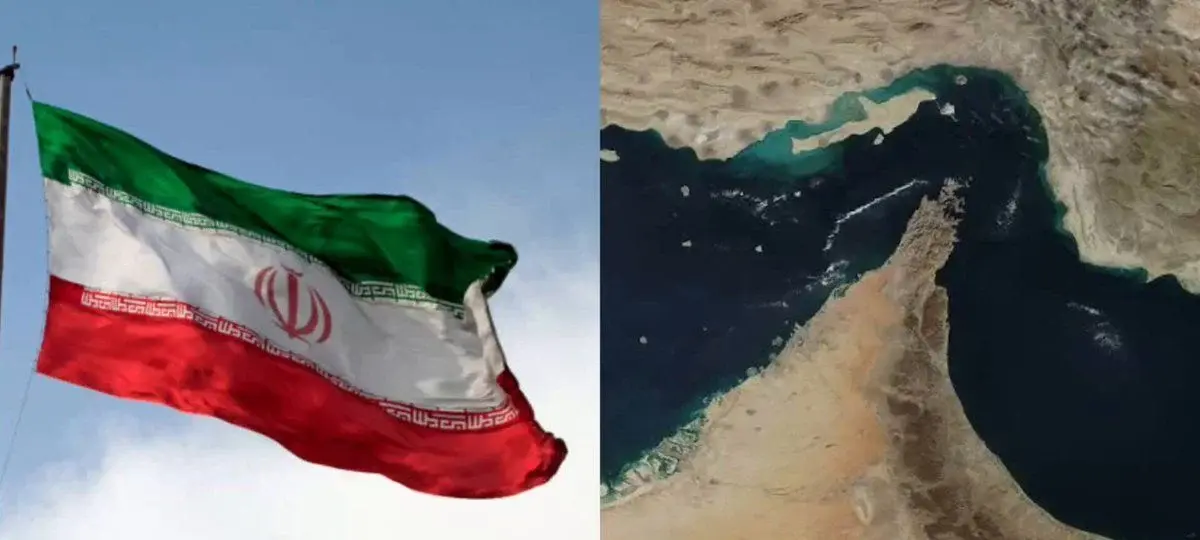
Iran has unveiled a proposal to impose transit fees on commercial vessels passing through the Strait of Hormuz, with Tehran targeting as much as $40 billion in annual revenue from the scheme.
The administration is framing the levy as a "Hormuz Service Fee," justifying the charge as compensation for "security, safety and environmental services" provided in the strait. According to officials familiar with the matter, Tehran is pitching the idea to countries across the Middle East and as far as China in an effort to build support.
Context: The Islamabad MoU and Regional De-escalation
The proposal comes in the immediate aftermath of a significant diplomatic breakthrough. The Islamabad Memorandum of Understanding, an agreement between the United States and Iran aimed at ending the 2026 Iran war, was primarily brokered by Pakistan, with Qatar, Saudi Arabia, Turkey and Egypt also facilitating negotiations. On June 17, U.S. President Donald Trump and Iranian President Masoud Pezeshkian signed the memorandum remotely, with Trump signing during dinner with French President Emmanuel Macron at the Palace of Versailles following the G7 summit.
Under the terms of the MoU, Iran committed to making arrangements for the safe passage of commercial vessels "with no charge" for 60 days, from the Persian Gulf to the Sea of Oman and vice versa. The fee proposal, if pursued beyond that window, would represent a significant shift in how Tehran seeks to monetise its position over the waterway once the ceasefire period lapses.
Legal Hurdles and International Pushback
The plan faces substantial legal and political obstacles. Natural straits such as the Strait of Hormuz are governed by international maritime law, above all the 1982 UN Convention on the Law of the Sea (UNCLOS), which prohibits the imposition of fees or charges solely for the act of passage. Analysts at Iran International note that a closer look at shipping volumes, pricing norms and international law suggests potential revenues would likely be closer to $1 to $2 billion a year, even under optimistic assumptions, well short of the $40 billion figure cited by Iranian officials.
Washington has already pushed back firmly. U.S. Secretary of State Marco Rubio rejected the idea during his visit to the Middle East, warning that imposing fees or transit charges would create a dangerous precedent that could spread "like a plague" and cause chaos, adding that "no country in the world has the right to charge for the use of international waterways."
Analysts also caution that the fee proposal may serve a political purpose as much as an economic one. Researcher Farzan Sabet of the Global Governance Centre at the Geneva Graduate Institute says Tehran may want to retain the option of reimposing a toll if negotiations over its nuclear capabilities stall and the U.S. ramps up pressure again. "This is a card that the Islamic Republic could look to play again," Sabet said, noting it could project a signal that the regime retains some kind of control over the Strait of Hormuz.
Sources:
Ynet News: Iran pitches Gulf states on $40B fee plan for Strait of Hormuz
Geneva Solutions: Iran wants to charge fees on Hormuz passage
Iran International: Why the $100 billion Hormuz toll revenue is a myth
Latest News





Read More...




(Advertisement)
Author
 UC Hope
UC holds a bachelor’s degree in Physics and has been a crypto researcher since 2020. UC was a professional writer before entering the cryptocurrency industry, but was drawn to blockchain technology by its high potential. UC has written for the likes of Cryptopolitan, as well as BSCN. He has a wide area of expertise, covering centralized and decentralized finance, as well as altcoins.