

Bitcoin Now Insures Strait of Hormuz Shipping

Iran has launched Hormuz Safe, a Bitcoin-settled maritime insurance platform for vessels crossing the Strait of Hormuz, raising sanctions concerns for global shippers and embedding $BTC into one of the world's most critical energy chokepoints.
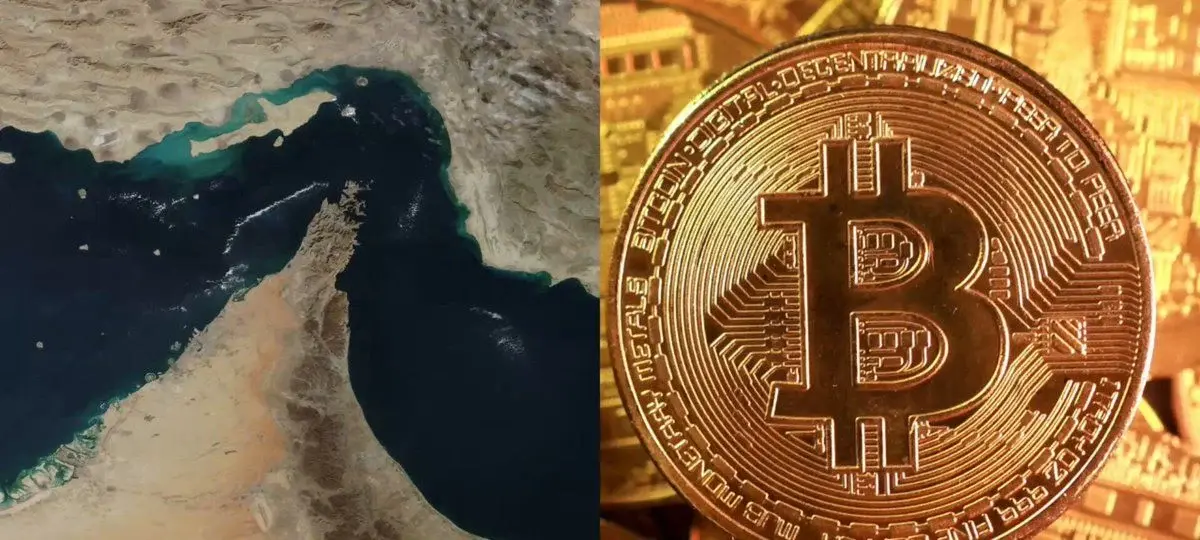
Iran has introduced a state-backed maritime insurance platform called Hormuz Safe, citing documents obtained from Iran's Ministry of Economy and Financial Affairs. The platform issues digital maritime insurance policies for commercial vessels transiting the Persian Gulf, the Strait of Hormuz, and surrounding waterways, with premiums paid and settled in $BTC.
How Hormuz Safe Works
The platform reportedly issues fast, cryptographically verifiable insurance policies for maritime cargo passing through the region, with payments settled in Bitcoin. From the moment of blockchain confirmation, cargo is covered, and a signed digital receipt is provided to the owner. Dubbed Hormuz Safe, the Iranian government says it could generate more than $10 billion in revenue for the Islamic Republic, without giving a time frame or a breakdown of how the service would work.
Iran has effectively shut the Strait of Hormuz since the US and Israel began airstrikes against the country on Feb. 28, and the government and the Islamic Revolutionary Guard Corps have since been looking to formalize control over the waterway, including imposing tolls and other fees. The Strait handles roughly 20% of global oil and liquefied natural gas trade. In recent weeks, multiple oil tankers have reportedly become stranded, shipping insurance costs have surged, and global energy prices have experienced sharp volatility.
Sanctions Risk and Feasibility Questions
Iran has long looked for ways to reduce reliance on dollar-based systems under sanctions pressure, which is where Bitcoin comes in. A $BTC-settled maritime insurance product would fit that effort, while creating immediate compliance risk for shipowners, traders and insurers. Payments to Iranian state-linked entities can still trigger sanctions exposure, whether they move through banks, stablecoins or Bitcoin.
It is far from certain an insurance system for shipping based on Bitcoin would be feasible. Unlike stablecoins pegged to a fiat currency, Bitcoin is highly volatile, a feature that has limited its adoption as a means of payment. Foreign ship owners may also be hesitant to use such a mechanism for fear of breaching US sanctions on Iran.
Industry figures have argued that Bitcoin may appeal more to sanctioned states because it operates without a centralized issuer capable of freezing balances. Attention around possible Bitcoin payments intensified after US authorities froze $344 million in Tether USDt tied to Iran last month. It remains unclear whether Hormuz Safe will become an operational market platform, remain a government proposal, or face legal or practical barriers to adoption.
Sources:
Bloomberg: Iran Starts Bitcoin-Backed Shipping Insurance for Hormuz Strait
Insurance Journal: Iran Starts Bitcoin-Backed Shipping Insurance for Hormuz Strait
Chainalysis: Iran's Strait of Hormuz Crypto Toll
Latest News




Read More...





(Advertisement)
Author
 UC Hope
UC holds a bachelor’s degree in Physics and has been a crypto researcher since 2020. UC was a professional writer before entering the cryptocurrency industry, but was drawn to blockchain technology by its high potential. UC has written for the likes of Cryptopolitan, as well as BSCN. He has a wide area of expertise, covering centralized and decentralized finance, as well as altcoins.