

Banks are quietly lobbying the Senate to kill stablecoin yield

State banking associations are coordinating a lobbying push on Senate lawmakers to strip stablecoin yield from the CLARITY Act, as Rep. Dusty Johnson warns the window to pass crypto market structure legislation closes before the August recess.
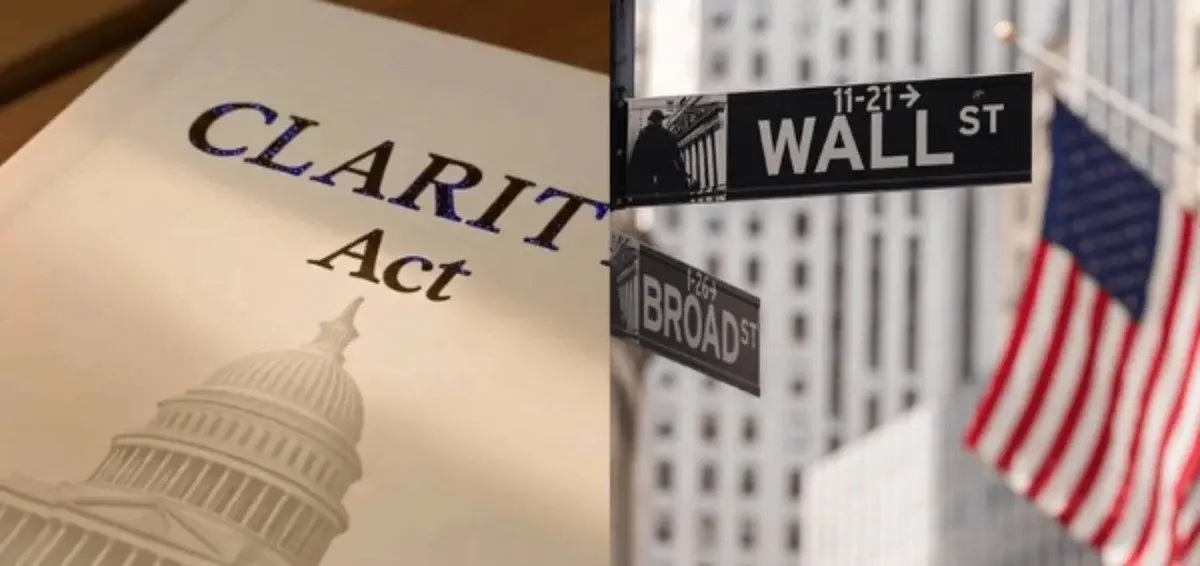
Banks Push Hard on Stablecoin Yield
The fight over the crypto market-structure bill has moved behind closed doors. According to @EleanorTerrett, state bankers associations are coordinating a direct lobbying push on Senate lawmakers over stablecoin yield, a provision banks view as a threat to their deposit base. The issue has become a fixture at banking conferences nationwide, even as the official Hill debate shifts toward an ethics deal, DeFi provisions, and the merging of Senate Banking and Agriculture committee texts. Terrett's sources say yield is still very much in play as more senators take a closer look at the bill.
The American Bankers Association has been escalating its pressure on senators, warning that stablecoin yield provisions could undermine bank deposits and financial stability, with bank trade groups arguing that yield-bearing stablecoins could act as substitutes for insured deposits and drain funding for mortgages and business loans. Members of the ABA have reportedly sent more than 8,000 letters to Senate offices criticizing the yield compromise.
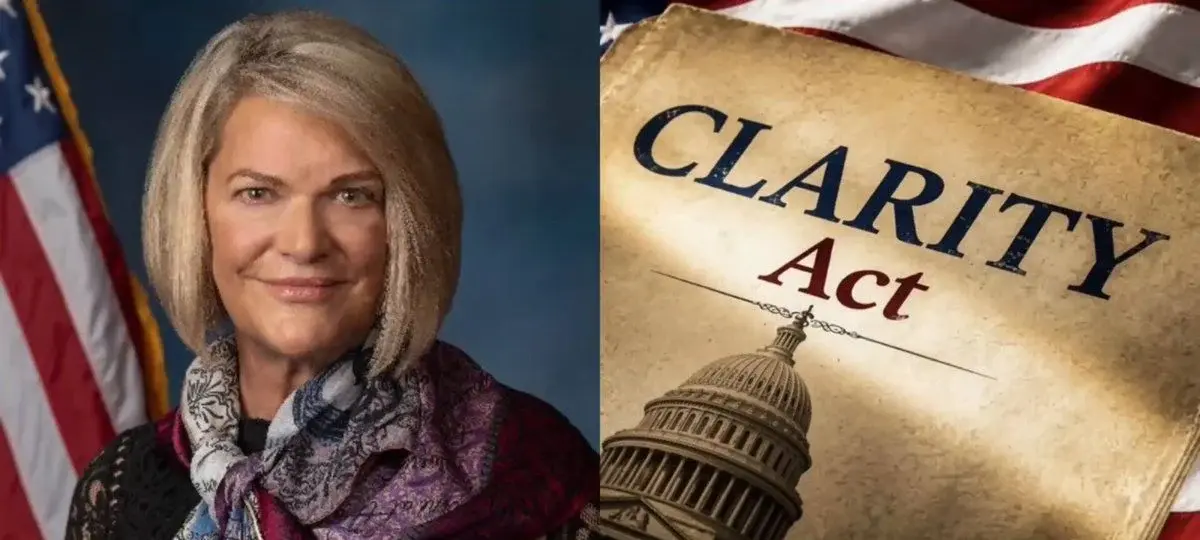
According to the ABA, permitting yield-bearing stablecoins could rapidly scale the stablecoin market from roughly $300 billion today to as much as $2 trillion, increasing pressure on bank funding. The compromise brokered by Senators Thom Tillis and Angela Alsobrooks attempts to split the difference. The deal bans yield equivalent to bank deposits but allows what the text calls "bona fide activities," and crypto trade groups including Coinbase and Circle immediately backed the arrangement. Banking groups, however, are pushing further. A coalition of banking advocacy groups, including the American Bankers Association and the Consumer Bankers Association, released text that would completely limit stablecoin issuers from providing any rewards on the asset.
Clock Ticking Ahead of August Recess
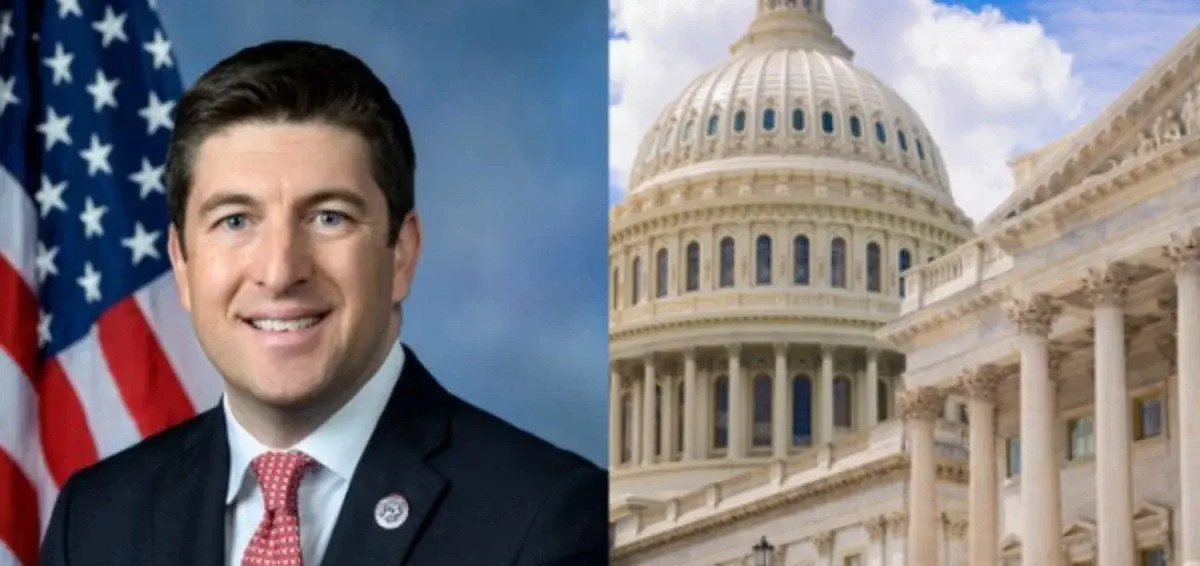
Beyond the yield dispute, the broader timeline for the CLARITY Act is becoming a serious concern. Outgoing House Agriculture Subcommittee Chairman @RepDustyJohnson warned that the window for passing the CLARITY Act is closing, and said failure to move the bill before the August recess could shelve crypto market structure legislation "for far too long," adding that the House could take up a Senate-passed bill within roughly two weeks if delivered, but urged the industry not to count on the lame-duck session.
Of about five major legislative packages expected to compete for floor time after the November election, Johnson said "maybe one" was likely to actually clear. The Digital Asset Market Clarity Act passed the House on July 17, 2025 by a 294 to 134 margin, drawing more than 70 Democratic votes. The Senate Banking Committee reported a substitute amendment on May 14, 2026, passing it 15 to 9, and the bill landed on the Senate Legislative Calendar on June 1, 2026. The entire arc of crypto legislation now rests on a Senate floor vote that still requires 60 votes to clear a filibuster, with Republicans holding roughly 53 seats. With banking groups continuing to press their case in the hallways and DeFi provisions still unresolved between chambers, the path to the president's desk remains narrow and time is running short.
Sources:
CoinDesk: Banking groups escalate fight over stablecoin yield ahead of Senate vote
Yahoo Finance: CLARITY Act Fast-Track Hinges on Senate Floor Vote Before Recess
American Banker: Banks mobilize against crypto market structure bill markup
Latest News



Read More...


(Advertisement)
Author
 Crypto Rich
Rich has been researching cryptocurrency and blockchain technology for eight years and has served as a senior analyst at BSCN since its founding in 2020. He focuses on fundamental analysis of early-stage crypto projects and tokens and has published in-depth research reports on over 200 emerging protocols. Rich also writes about broader technology and scientific trends and maintains active involvement in the crypto community through X/Twitter Spaces, and leading industry events.