Deepdive
(Advertisement)


How Do PancakeSwap's CAKE Token Burns Actually Work?

PancakeSwap burns more CAKE than it mints each week. Here is how the buy-back-and-burn engine works and why supply keeps shrinking.

Crypto Rich
May 13, 2026

(Advertisement)
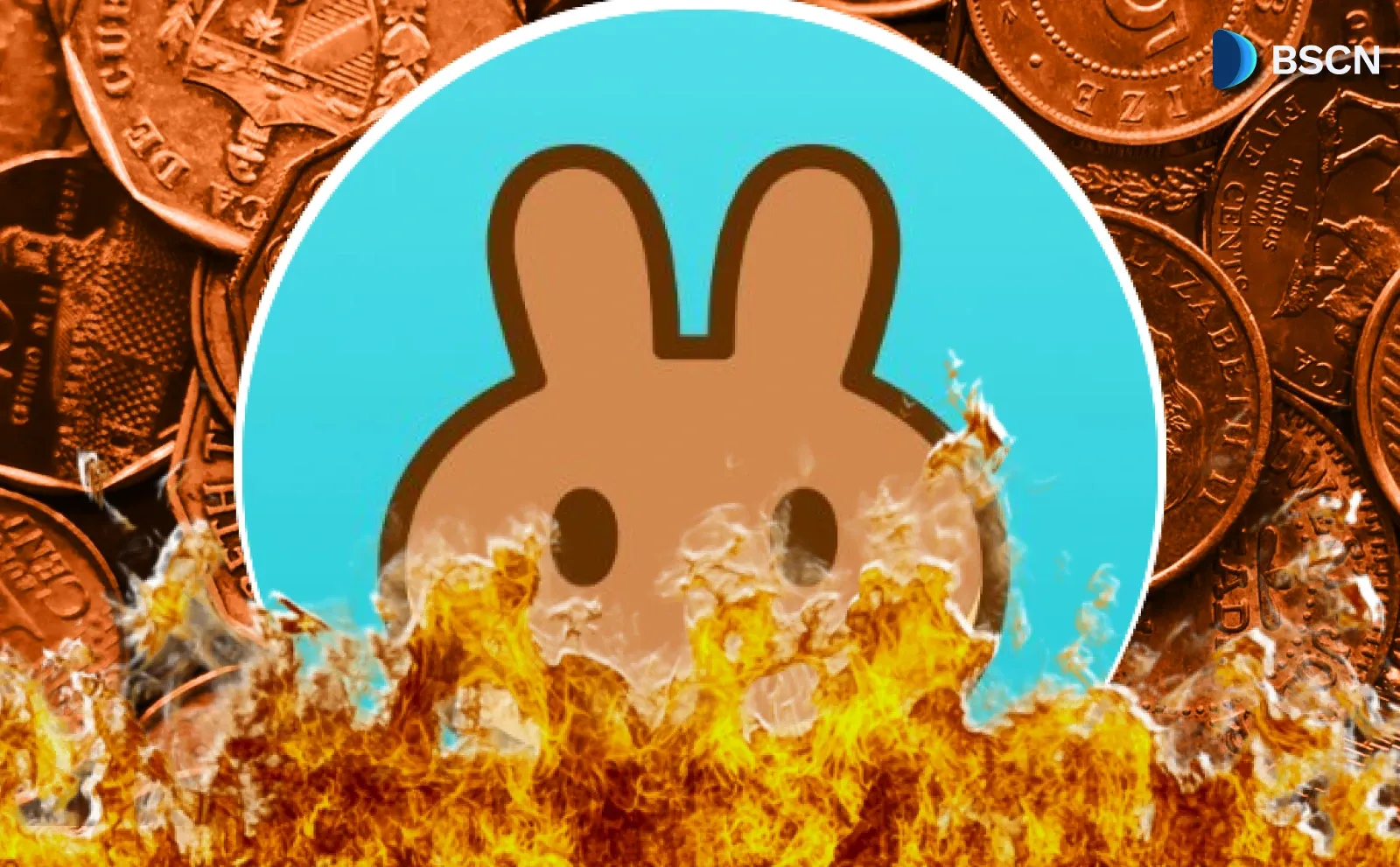
@PancakeSwap burns $CAKE by taking a cut of protocol revenue, using it to buy the token on the open market, and sending those coins to a dead wallet that no one can spend from. The week of May 11, 2026 saw roughly 760,000 CAKE burned against around 610,000 emitted, marking the 32nd consecutive month that more tokens left circulation than entered it.
What Is a CAKE Token Burn?
A burn is the permanent removal of tokens from circulation. PancakeSwap does not delete coins from a database. Instead, the protocol sends them to a public BNB Chain address, the so-called "Burn," "Blackhole," or "dead" wallet. No one holds the private key. The coins remain visible forever on BscScan but can never be moved again.
This matters because CAKE is still inflationary at the issuance layer. The protocol mints fresh tokens every day to pay liquidity providers and run incentive programs. Burns are what flip the net number to negative.
How Does the Burn Pipeline Work?
The flow is automatic and tied to real platform usage rather than a fixed schedule:
- Traders, bettors, lottery players, and launchpad users generate fees across PancakeSwap products
- A fixed percentage of each revenue stream is routed to the burn program
- Those funds are used to buy CAKE on the open market through PancakeSwap's own DEX for best execution
- The purchased CAKE is sent to the dead address and taken out of circulating supply
Every step is visible on-chain. Any holder can verify a burn by checking transfers to the dead address on BscScan.
Which Products Feed the Burns?
Under the current tokenomics model, each PancakeSwap product contributes a defined slice:
- Spot trading on V2 and V3 pools: 15 to 23 percent of trading fees, depending on pool tier
- Perpetual trading: 20 percent of all profits
- CAKE.PADs, previously the IFO launchpad: 100 percent of all fees
- Prediction markets: 3 percent of each round
- Lottery: 20 percent of all CAKE played
Higher volume across any of these products directly increases the size of the weekly burn.
What Changed Under Tokenomics 3.0?
The current model passed governance in April 2025 and reshaped how supply behaves. The veCAKE staking system was retired, daily emissions were cut from around 40,000 tokens to 22,500, and more revenue streams were redirected into buybacks.
The reforms also locked in two hard targets. Annual net deflation should run at a minimum of 4 percent, and total supply should shrink by 20 percent by 2030. The hard supply cap was lowered from 450 million to 400 million tokens in early 2026.
Across 2025, net supply fell by 8.19 percent, well above the 4 percent floor.
Where Can You Track CAKE Burns Live?
PancakeSwap publishes a Burn Dashboard with weekly snapshots of supply, burns, and emissions. A more granular Dune dashboard breaks down contributions by product and time period. Monthly burn reports go up on the official blog and list every revenue source in detail.
As of the May 12, 2026 dashboard update, circulating supply sits at around 339 million CAKE against 52.92 million lifetime burned. Peak supply hit 392 million before the current cap was applied.
What Comes Next for CAKE Supply?
The 4 percent annual deflation floor and 20 percent reduction target by 2030 are the headline numbers, but the actual pace depends on $CAKE platform activity. Quiet trading weeks mean smaller burns. Busy periods, especially those with active launchpad rounds and heavy perpetual volume, push the weekly net deeper into deflationary territory.
Sources:
- PancakeSwap Documentation Official tokenomics specification covering emission schedule, burn allocations, and supply cap mechanics
- PancakeSwap Burn Dashboard Live tracker for total supply, lifetime burns, weekly emissions, and net deflation
- Dune Analytics Detailed product-by-product breakdown of CAKE burns and revenue contributions
- PancakeSwap Blog Monthly burn reports with minted versus burned figures by product
- PancakeSwap Governance Forum Tokenomics 3.0 proposal and community discussion archive
Read Next...


Frequently Asked Questions
How many CAKE tokens have been burned in total?
PancakeSwap has burned 52.92 million CAKE since the program began in September 2023, as of May 2026.
Is CAKE still inflationary?
No. CAKE has been net deflationary for 32 consecutive months. The protocol still mints new tokens, but burns from revenue exceed emissions every week.
Can anyone verify a CAKE burn?
Yes. Every burn is a public transfer to the BNB Chain "dead" address. Anyone can check transactions to that address on BscScan to confirm the amount.
Disclaimer
Disclaimer: The views expressed in this article do not necessarily represent the views of BSCN. The information provided in this article is for educational and entertainment purposes only and should not be construed as investment advice, or advice of any kind. BSCN assumes no responsibility for any investment decisions made based on the information provided in this article. If you believe that the article should be amended, please reach out to the BSCN team by emailing [email protected].
Author
 Crypto Rich
Rich has been researching cryptocurrency and blockchain technology for eight years and has served as a senior analyst at BSCN since its founding in 2020. He focuses on fundamental analysis of early-stage crypto projects and tokens and has published in-depth research reports on over 200 emerging protocols. Rich also writes about broader technology and scientific trends and maintains active involvement in the crypto community through X/Twitter Spaces, and leading industry events.
(Advertisement)
Latest News
July 10, 2026
How Do PancakeSwap's CAKE Token Burns Actually Work?
July 10, 2026

Report: Ripple & The XRP Ecosystem in H1 2026
July 10, 2026

How Is Cardano Advancing Financial Inclusion in Developing Countries?
July 10, 2026

Why Was Sui Built From Scratch Instead of Forking an Existing Blockchain?
July 9, 2026

Trust Wallet Adds Native Support for Robinhood Chain, Opening Stock Tokens to 220 Million Users
July 9, 2026
Robinhood Chain Explodes Post-Mainnet Launch
July 9, 2026

Is Avalanche AVAX Bringing Hyundai On Chain?
July 9, 2026

Stop Tokenizing Assets You Don't Control
(Advertisement)

Crypto Project & Token Reviews
Project & Token Reviews
Comprehensive reviews of crypto's most interesting projects and assets
Learn about the hottest projects & tokens

Latest Crypto Articles
Get up to date with the latest crypto news stories and events