News
(Advertisement)


What Is Ethereum's Clear Signing and Why Does It Matter?

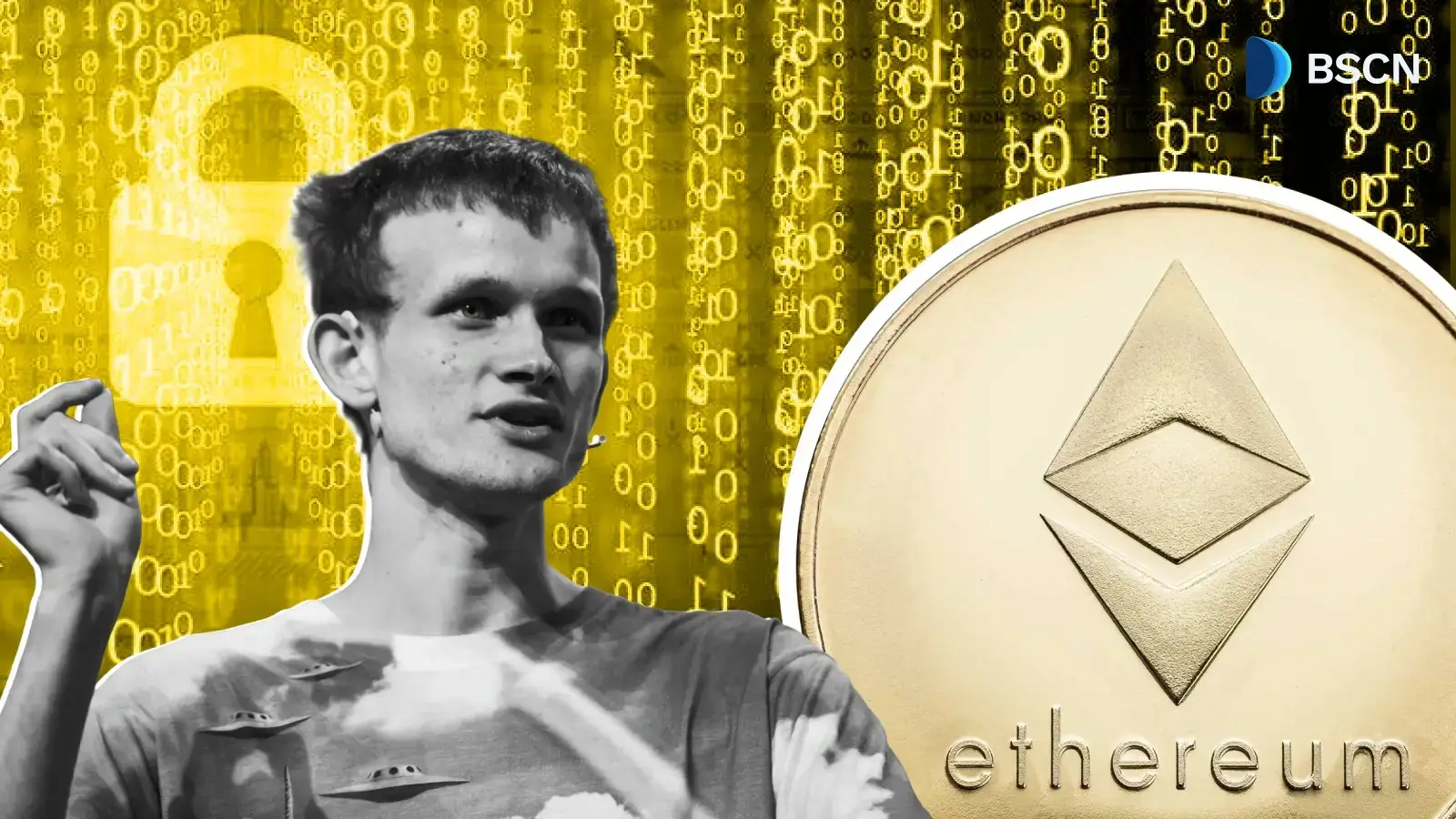
Ethereum's Clear Signing replaces unreadable hex data with plain transaction details so users know exactly what they're approving before they sign.

Soumen Datta
May 13, 2026
(Advertisement)
Table of Contents
Clear Signing is a security standard on Ethereum that shows users plain, human-readable details about a transaction before they approve it. Instead of raw hex data that only developers can decode, users see exactly what a transaction will do to their assets.
The Ethereum Foundation launched it through its Trillion Dollar Security Initiative, calling blind signing a "structural flaw" that has contributed to billions of dollars in losses, including the $1.4 billion Bybit hack.
What Is Blind Signing and Why Is It a Problem?
Blind signing is what happens when a user approves a transaction without being able to read what it actually does. Most wallets today display transaction data in low-level, machine-readable formats. These formats are technically accurate but nearly impossible for a regular user to interpret.
The Ethereum Foundation stated:
"Approving a transaction is meant to be the last line of defense when exercising control over what happens to your assets on the blockchain. When it is done blindly, that defense does not hold."
A Pattern Across Major Exploits
Across large-scale crypto breaches, the final step is rarely a flaw in the code itself. It is a user approving something they cannot meaningfully read. Even when phishing or an infrastructure compromise starts the attack, the confirmation screen is where it ends.
Trezor's chief technology officer, Tomáš Sušánka, said attackers have exploited this gap "relentlessly" because no widely accessible tool could reliably tell a malicious smart contract apart from a legitimate one. Users have been "unknowingly signing them, and lose everything."
How Does Clear Signing Work?
The standard is built around a principle called "What You See Is What You Sign," or WYSIWYS. It brings together three technical components that work in sequence.
The Core Technical Components
- ERC-7730: An open token standard that defines a shared format for human-readable transaction descriptions. Ledger initiated this standard.
- A descriptor registry: A neutral, mirrorable registry that stores and distributes transaction descriptions. The Ethereum Foundation acts as a steward.
- An attestation framework: Independent auditors verify the accuracy of each descriptor before wallets display it to users.
Anyone can contribute descriptors to the registry. Wallets then decide which sources they trust. The descriptions sit alongside the transaction rather than embedded inside it, which means the system works for both existing and new applications on Ethereum.
Which Wallets Are Adopting Clear Signing?
Several major self-custody wallets and security platforms are already integrating the standard. Contributors to the Clear Signing feature include:
- Ledger
- Trezor
- MetaMask
- Keycard
- WalletConnect
- Fireblocks
- Argot, Sourcify, Zama, and ZKnox
Trezor's Sušánka said the company plans to implement the standard before June 30, 2026. Tooling, including Rust and TypeScript libraries funded through the Trillion Dollar Security Initiative, is available at clearsigning.org.
Why Is This Relevant Right Now?
The launch comes as crypto attacks grow more targeted and technically sophisticated. North Korean state-backed groups have stolen over $7 billion in crypto assets since 2009. The Bybit breach worked by compromising a third-party service provider and manipulating transaction signatures. The final step was a user confirming a transaction they could not understand.
Clear Signing targets that exact moment.
Conclusion
Clear Signing gives Ethereum users a verifiable way to know what they are approving before it happens. It replaces unreadable hex data with plain descriptions, backed by an open standard in ERC-7730, a verified descriptor registry, and an independent attestation layer. With Ledger, Trezor, and MetaMask among the early adopters, the standard is positioned to become a baseline security layer across the Ethereum ecosystem.
Resources
Ethereum Foundation Blog: Clear Signing: Making Transaction Approvals Safer on Ethereum
The Block: Ethereum Foundation Rolls Out Support for Clear Signing Crypto Security Solution
The Defiant: Ethereum Foundation Launches Clear Signing Standard
CoinDesk: The Ethereum Foundation Unveils New 'Clear Signing' Standard to Stop Users From Approving Malicious Crypto Transactions
Read Next...





Frequently Asked Questions
What is Clear Signing in Ethereum?
Clear Signing is a security standard that displays human-readable transaction details before a user approves them. It replaces raw hex data with plain descriptions so users know exactly what they are signing.
What is blind signing in crypto?
Blind signing occurs when a user approves a blockchain transaction without being able to read what it does. It has contributed to billions in losses, including the $1.4 billion Bybit hack, by letting attackers slip malicious approvals past users.
What is ERC-7730?
ERC-7730 is an open Ethereum token standard that defines a shared format for human-readable transaction descriptions. It is the technical foundation for Clear Signing and was initiated by Ledger.
Disclaimer
Disclaimer: The views expressed in this article do not necessarily represent the views of BSCN. The information provided in this article is for educational and entertainment purposes only and should not be construed as investment advice, or advice of any kind. BSCN assumes no responsibility for any investment decisions made based on the information provided in this article. If you believe that the article should be amended, please reach out to the BSCN team by emailing [email protected].
Author
 Soumen Datta
Soumen has been a crypto researcher since 2020 and holds a master’s in Physics. His writing and research has been published by publications such as CryptoSlate and DailyCoin, as well as BSCN. His areas of focus include Bitcoin, DeFi, and high-potential altcoins like Ethereum, Solana, XRP, and Chainlink. He combines analytical depth with journalistic clarity to deliver insights for both newcomers and seasoned crypto readers.
(Advertisement)
Latest News
July 10, 2026

How Do PancakeSwap's CAKE Token Burns Actually Work?
July 10, 2026

Report: Ripple & The XRP Ecosystem in H1 2026
July 10, 2026

How Is Cardano Advancing Financial Inclusion in Developing Countries?
July 10, 2026

Why Was Sui Built From Scratch Instead of Forking an Existing Blockchain?
July 9, 2026

Trust Wallet Adds Native Support for Robinhood Chain, Opening Stock Tokens to 220 Million Users
July 9, 2026
Robinhood Chain Explodes Post-Mainnet Launch
July 9, 2026

Is Avalanche AVAX Bringing Hyundai On Chain?
July 9, 2026

Stop Tokenizing Assets You Don't Control
(Advertisement)

Crypto Project & Token Reviews
Project & Token Reviews
Comprehensive reviews of crypto's most interesting projects and assets
Learn about the hottest projects & tokens

Latest Crypto Articles
Get up to date with the latest crypto news stories and events