

The Fed's remaking now has a roster, and it's full of outsiders

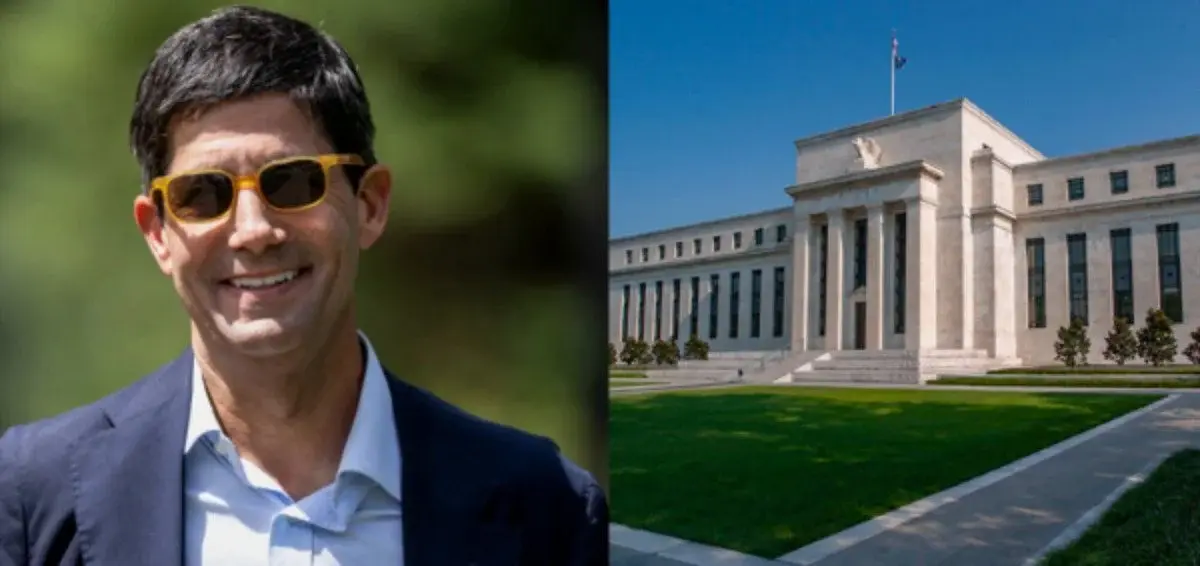
Federal Reserve Chair Kevin Warsh has named 15 outside experts to lead five task forces reviewing the central bank's communications, balance sheet, data, inflation frameworks, and AI's impact on jobs. The roster includes Marc Andreessen, former Walmart CEO Doug McMillon, and Nobel laureate Thomas Sargent.
(Advertisement)

Federal Reserve Chairman Kevin Warsh has tapped a broad and intellectually diverse group of economists and former central bankers to oversee the five task forces he is establishing to review the U.S. central bank's operations, covering technical issues like management of its balance sheet as well as forward-leaning ones like the impact of artificial intelligence. The central bank named 15 people to lead those groups, which will use Fed staff to assist but will "operate independently, with a mandate to follow the evidence, provide candid feedback, and produce rigorous findings for the Federal Open Market Committee."
By turning the review of those five key areas over to outside experts, the process will contrast with recent Fed reviews that were driven more by internal analysis and discussion. No chair in recent history has launched a project that has matched the ambition of this one.
Who Is on the Roster
The five task forces and their co-leaders are: Communications, led by Peter R. Fisher of the University of Washington, Arminio Fraga of Gávea Investimentos and former president of the Central Bank of Brazil, and Mervyn King, former governor of the Bank of England; Balance Sheet Policy, led by Karen Dynan and Jeremy Stein of Harvard University and Raghuram Rajan of the University of Chicago Booth School of Business, who also served as former governor of the Reserve Bank of India.
The Data task force is led by Raj Chetty of Harvard, Kevin Murphy of the University of Chicago, and Doug McMillon, former president and CEO of Walmart $WMT. The Productivity and Jobs task force is led by Marc Andreessen, cofounder and general partner of Andreessen Horowitz, Charles I. Jones of Stanford University, and Asha Sharma, executive vice president and Xbox CEO at Microsoft $MSFT. The Inflation Frameworks task force is led by Greg Mankiw of Harvard, Thomas Sargent of New York University and Nobel laureate, and William White of the C.D. Howe Institute.
Andreessen, co-founder of Andreessen Horowitz, will serve on the group tasked with evaluating the Fed's approach to the job market and productivity. For Andreessen, this is the second prominent appointment in recent days, having been named in late June to the U.S. Defense Policy Board, a civilian advisory group for the Pentagon.
What It Could Mean for Policy
Warsh's decision to create a task force examining productivity has fueled speculation that he may be more open to lowering rates this year. Last year, he said AI could justify rate cuts if the technology can deliver a meaningful and sustained boost to productivity. However, AI's effect on the economy is being debated among Fed officials, some of whom warn it may actually stoke inflation pressures. New York Fed President John Williams said at an event on Thursday that AI-driven demand could outstrip supply, potentially requiring rate hikes to contain price pressures.
The announcement also recognizes that the work of the task forces is just a starting point for recommendations, the most consequential of which would likely need approval by Warsh's colleagues. In cases of truly fundamental change, the Fed has typically relied on broad if not unanimous consensus before moving forward. Fed Chairman Warsh is charging the five task forces to develop ideas and recommendations by year-end.
Sources:
CNBC: Kevin Warsh names members of his Federal Reserve task forces
Reuters via Yahoo Finance: Fed's Warsh taps broad group of Fed outsiders to oversee review
Axios: Marc Andreessen and former Walmart CEO among new Fed task force leaders
(Advertisement)
Latest News





Read More...


Author
 Crypto Rich
Rich has been researching cryptocurrency and blockchain technology for eight years and has served as a senior analyst at BSCN since its founding in 2020. He focuses on fundamental analysis of early-stage crypto projects and tokens and has published in-depth research reports on over 200 emerging protocols. Rich also writes about broader technology and scientific trends and maintains active involvement in the crypto community through X/Twitter Spaces, and leading industry events.