

EU Blacklists 14 Crypto Platforms Over Russian Sanction Evasion

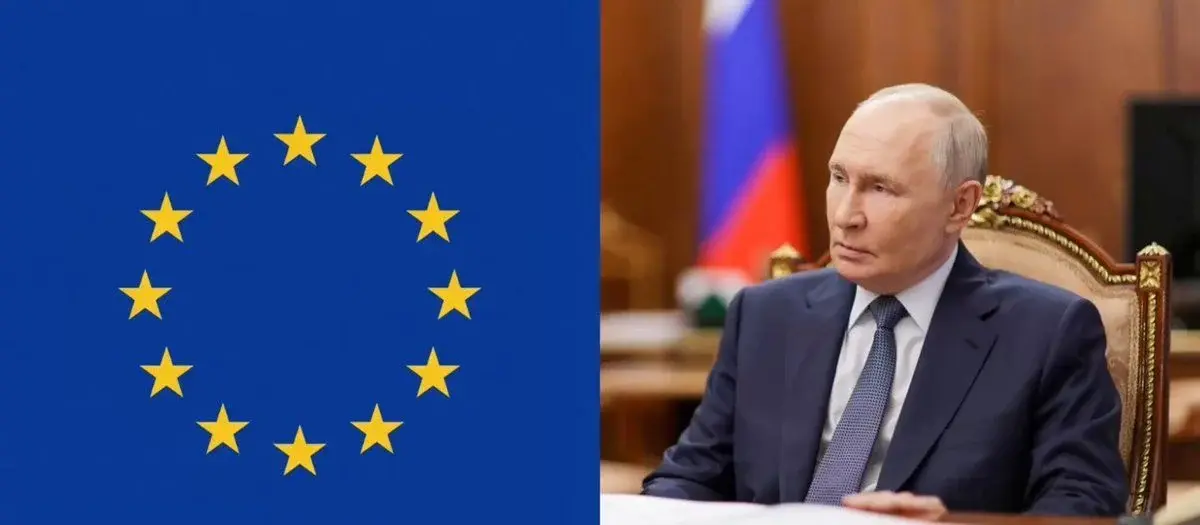
The EU's 21st sanctions package bans transactions with 14 cryptocurrency platforms in Georgia, Panama, the UAE, and the Marshall Islands for helping Russia evade financial restrictions, while introducing new powers to block entire jurisdictions.
(Advertisement)

14 Platforms Targeted Across Six Jurisdictions
The European Union has approved its 21st sanctions package against Russia, with cryptocurrency exchanges placed firmly in the crosshairs. The package targets 14 crypto service platforms and 94 banks and financial institutions. According to the Council of the European Union, the measures cover crypto providers based in Georgia, Panama, the United Arab Emirates, the Marshall Islands, Kyrgyzstan, and Belarus.
For crypto companies, the package bars EU operators from conducting transactions with the 14 listed service platforms. The Council has not presented all of them as Russian businesses, instead focusing on providers in foreign jurisdictions that it says have enabled Russian-linked transfers.
Adopted on July 23, the package contains 218 individual listings, including 48 people and 170 entities. The Council described it as the EU's largest group of new listings in four years, covering financial services, energy, military suppliers, and organizations accused of supporting sanctions evasion.
A New Legal Weapon Against Sanctions Evasion
Beyond the platform-level bans, the 21st package introduces a significant regulatory first. It introduces a new legal mechanism allowing the EU to impose a complete ban on crypto service providers in third countries if they are found to be involved in sanctioned transactions or other illicit activities. According to an official EU statement, "this new instrument will enable the EU to ban any transaction between an EU operator and any crypto provider used by Russia."
For the first time, the EU is introducing the possibility of a full third-country ban for crypto-asset services, a measure regarded as "a strong deterrent to countries hosting platforms that help Russia evade EU sanctions."
The ban on transactions with additional platforms effectively blacklists entire operators, not just specific accounts, creating a compliance challenge for any EU crypto firm that uses liquidity from or sends funds to those targeted platforms.
The broader package also targets Russia's energy sector. Measures cover 41 shadow-fleet vessels, oil refineries, and military suppliers. The crypto crackdown builds on the 20th sanctions package, which took effect in May 2026. That earlier round introduced industry-wide bans on Russian crypto organizations involved in money transfers and tightened restrictions on ruble-pegged stablecoins, including A7A5 and RUBx.
The sanctions also extend to the Russia-linked A7 network and its associated cryptocurrency transaction infrastructure.
Sources:
crypto.news: EU targets 14 crypto operators and 94 banks in Russia sanctions
Georgia Today: EU targets crypto platforms operating in Georgia
Elliptic: The EU's 20th sanctions package targets the architecture of crypto sanctions evasion
(Advertisement)
Latest News





Read More...




Author
 UC Hope
UC holds a bachelor’s degree in Physics and has been a crypto researcher since 2020. UC was a professional writer before entering the cryptocurrency industry, but was drawn to blockchain technology by its high potential. UC has written for the likes of Cryptopolitan, as well as BSCN. He has a wide area of expertise, covering centralized and decentralized finance, as well as altcoins.