

More Uncertainty Over The CLARITY Act?

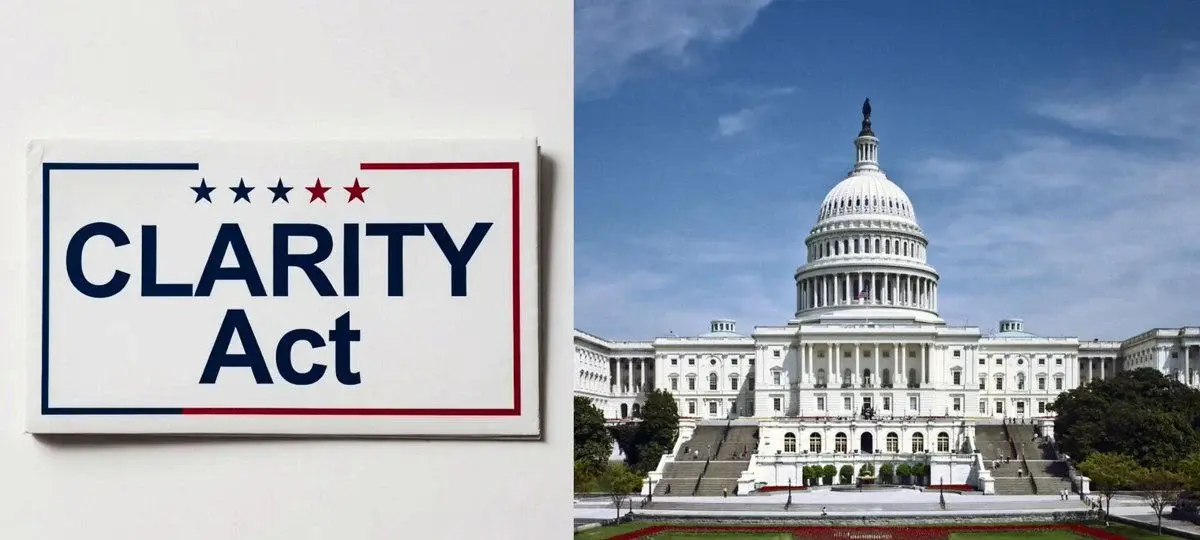
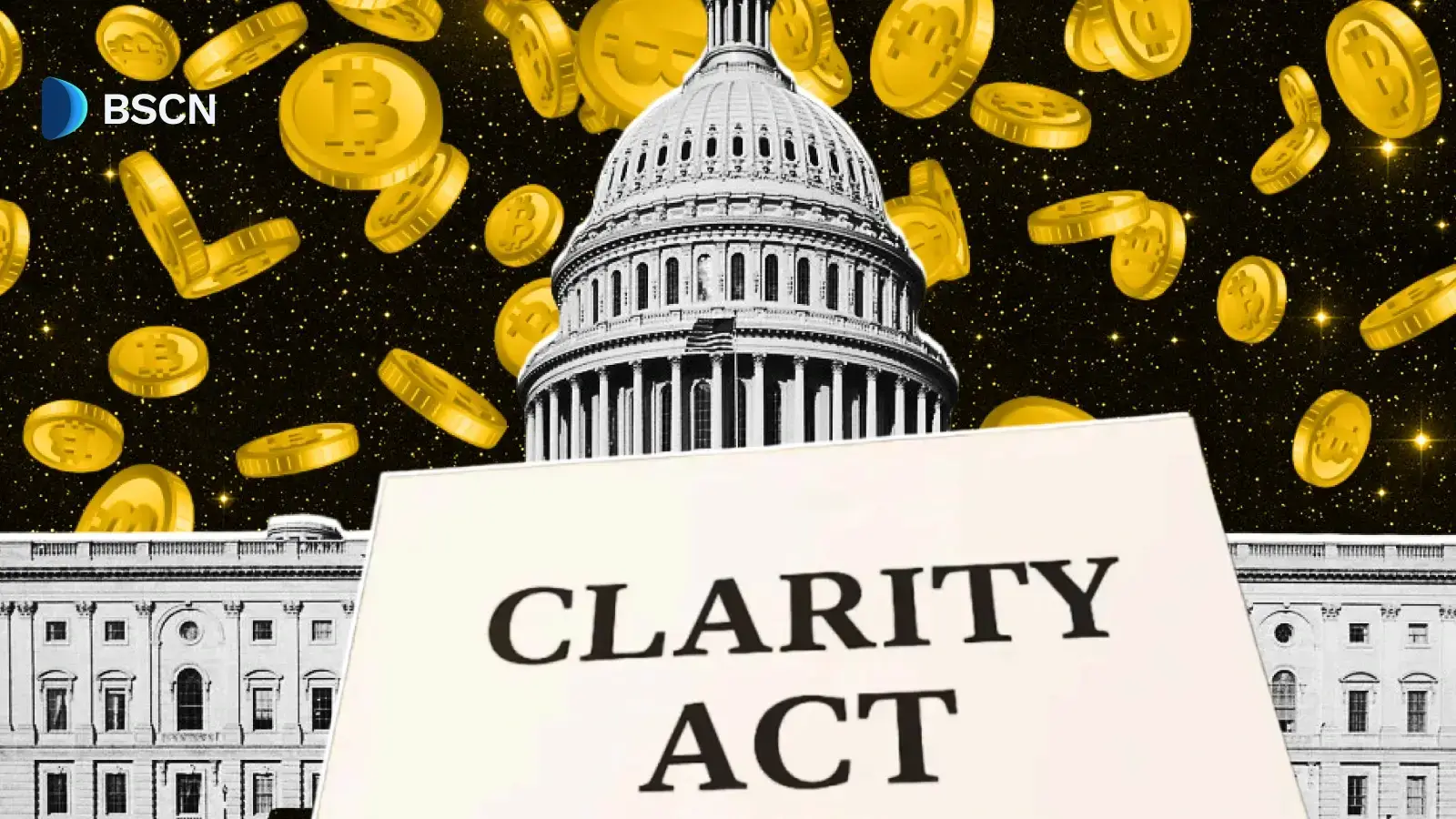
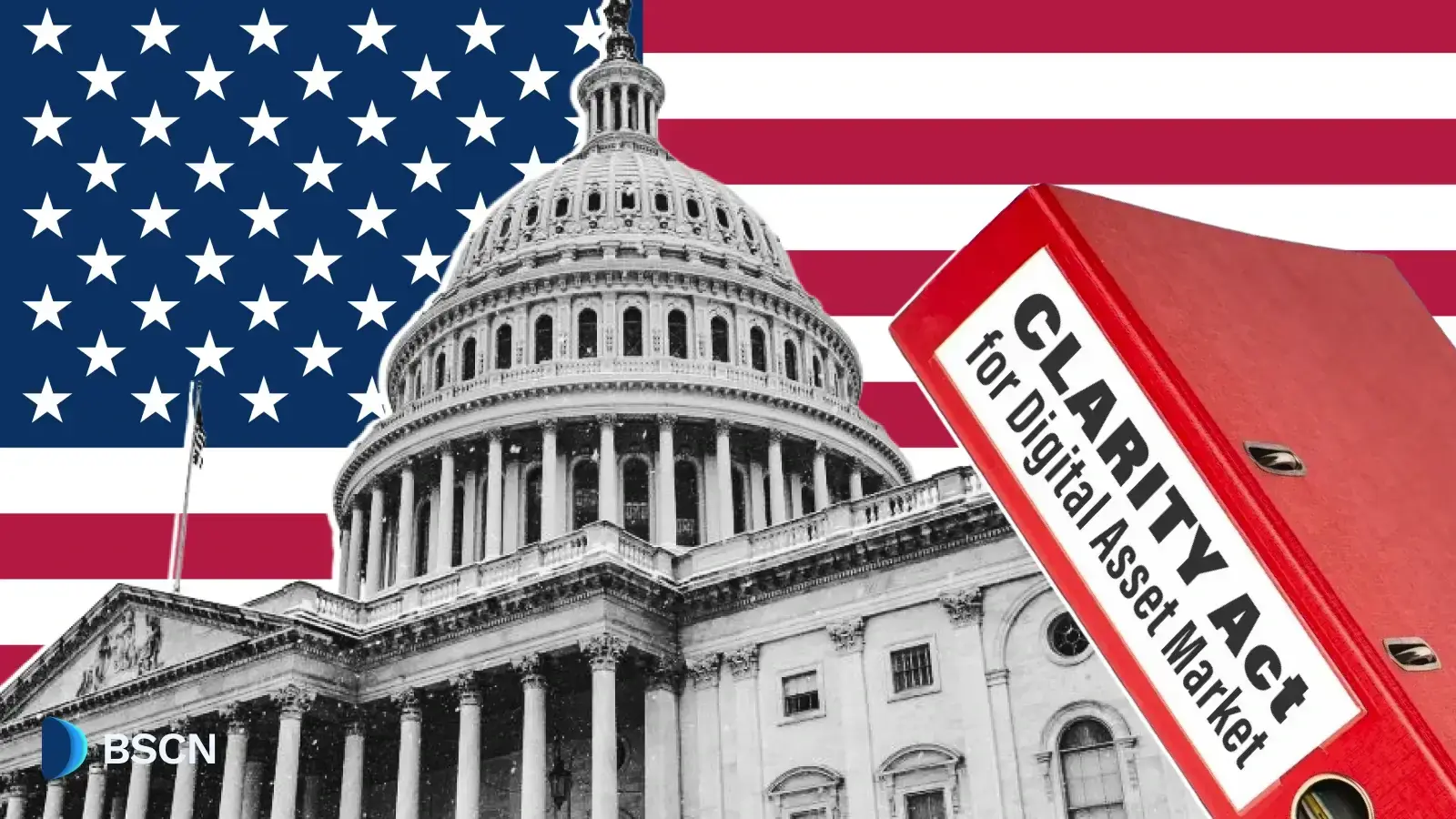
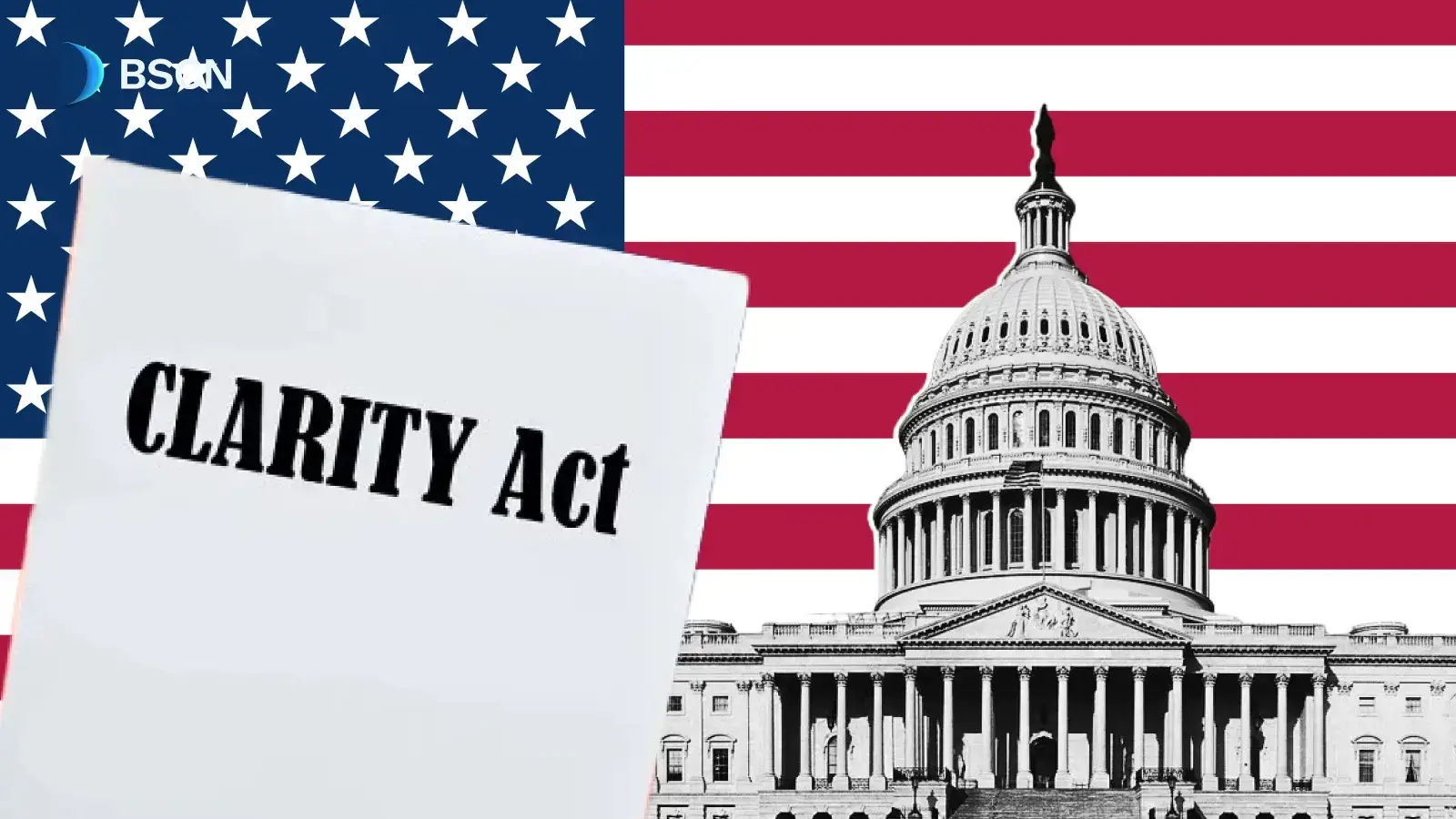
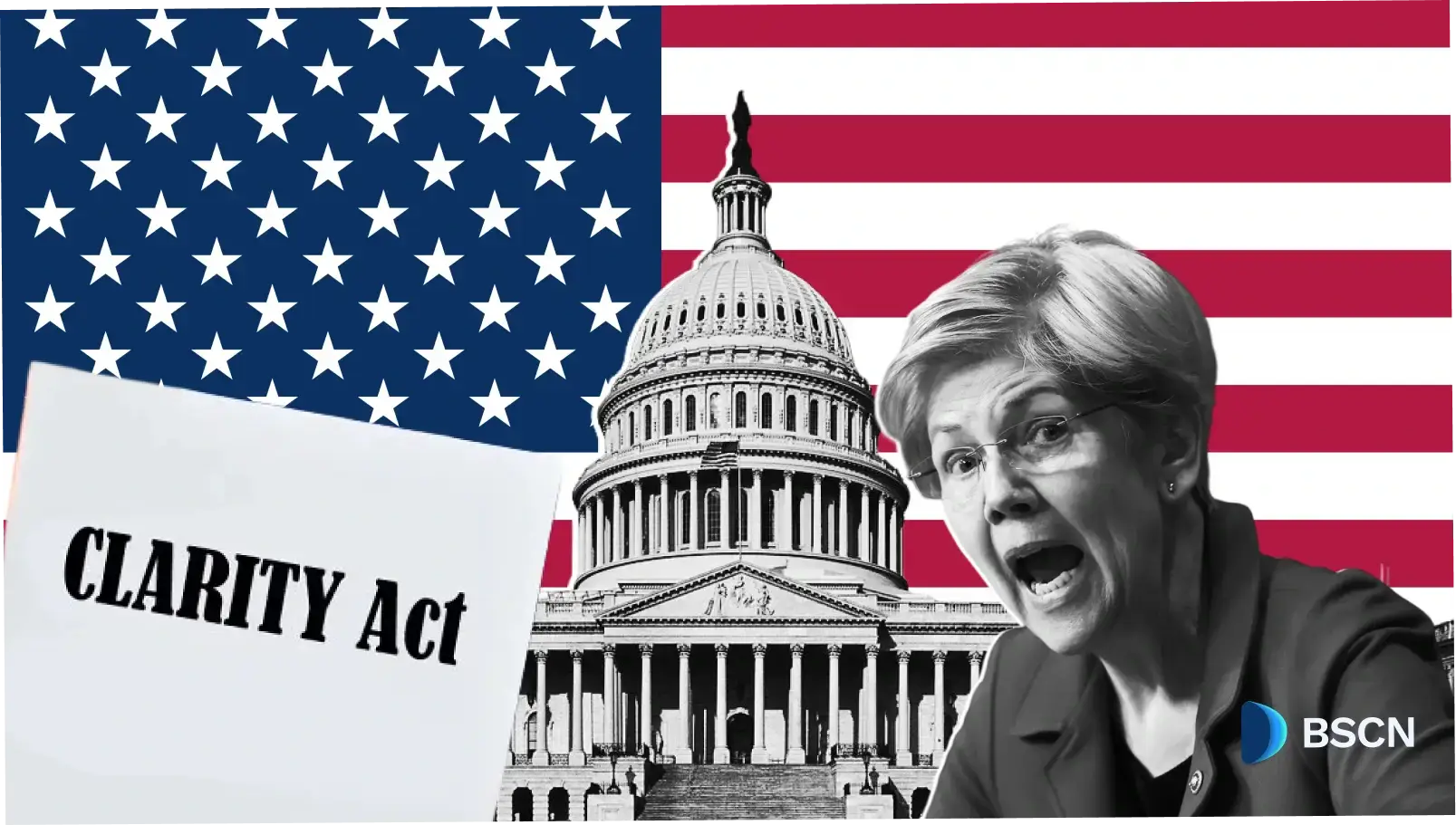
Trump's refusal to sign legislation until the SAVE America Act passes adds uncertainty to the CLARITY Act's path, even as Senate Republicans push for a July floor vote on the landmark crypto market structure bill.
(Advertisement)

Trump's Legislative Stance Clouds Crypto Bill's Timeline
The Digital Asset Market Clarity Act, widely known as the CLARITY Act, is facing fresh uncertainty after President Donald Trump declined to sign a separate bipartisan housing bill last Wednesday. Trump abruptly canceled the scheduled signing of bipartisan legislation aimed at bringing down housing costs, saying he would only sign it after Congress approved the SAVE America Act. This move was not entirely surprising because Trump has been saying for months that he will not sign any bill until the SAVE America Act is passed.
The SAVE America Act is a voting reform measure. It is meant to cut down on noncitizen voting in U.S. elections and impose nationwide voter ID laws. The SAVE America Act currently does not have the needed 60 votes in the Senate to overcome a filibuster, and Republican leaders are reluctant to get rid of the filibuster to pass the bill. That standoff places the CLARITY Act, which also needs 60 Senate votes to clear cloture, in an increasingly crowded and contested legislative queue ahead of the August recess.
Senate Republicans Press Ahead With July Push
Despite the political headwinds, senior Senate Republicans are not backing down on the CLARITY Act. Banking Committee Chair Tim Scott and Majority Leader John Thune have both signaled they intend to push the bill to a full Senate floor vote in July. Senator Cynthia Lummis, the bill's lead sponsor, has been equally direct. Lummis is pushing for a full Senate floor vote in July 2026, with negotiations on the final text expected to wrap up around the July 4 recess.
Lummis and fellow negotiators are still working through provisions on DeFi protocols, anti-money laundering requirements, and ethics clauses. The ethics language remains the most contentious sticking point. The conflict-of-interest section that would limit government officials from profiting from the crypto industry is not under the jurisdiction of the banking panel, so the topic has to get into the legislation later. It has been a contentious issue because its genesis was seated in President Donald Trump's own wide-ranging crypto interests, but White House officials have repeatedly said they would not tolerate a bill that targets the president. A closed-door ethics meeting among Senators Kirsten Gillibrand, Ruben Gallego, Bernie Moreno, and Cynthia Lummis, joined by White House Crypto Council Executive Director Patrick Witt, collapsed on June 9 without agreement.
The CLARITY Act passed the House by a vote of 294 to 134 in July 2025. To become law, the bill must still pass a 60-vote Senate floor vote, be reconciled with the House-passed version, and be signed by the President. Brian Gardner, chief Washington policy strategist at Stifel, wrote in a note that "in order for the CLARITY Act to pass in 2026, it probably needs to get through the Senate by the end of July, preferably in June," adding that "if the Senate fails to pass the bill before the August recess, the bill's prospects would deteriorate materially."
Sources:
CNBC: Trump cancels signing of bipartisan housing bill
Latham and Watkins: US Crypto Policy Tracker
Yahoo Finance: Senate's Last-Ditch CLARITY Act Talks
(Advertisement)
Latest News




Read More...

Author
 Soumen Datta
Soumen has been a crypto researcher since 2020 and holds a master’s in Physics. His writing and research has been published by publications such as CryptoSlate and DailyCoin, as well as BSCN. His areas of focus include Bitcoin, DeFi, and high-potential altcoins like Ethereum, Solana, XRP, and Chainlink. He combines analytical depth with journalistic clarity to deliver insights for both newcomers and seasoned crypto readers.