WEB3
(Advertisement)


Stop Tokenizing Assets You Don't Control

Tokenizing assets without operational control adds risk. Learn why real-world asset projects need industry expertise, not just blockchain infrastructure.

BSCN
July 9, 2026

(Advertisement)
Disclaimer: The views expressed in this article do not necessarily represent the views of BSCNews. The information provided in this article is for educational and informational purposes only and should not be construed as investment advice. BSCNews assumes no responsibility for any investment decisions made based on the information provided in this article.
Tokenization has a defining narrative of digital assets. Real estate and private credit to commodities and infrastructure, nearly every asset class is being pitched as the next frontier for blockchain. As institutional interest accelerates, the conversation is moving past whether assets can be tokenized to how they are managed. McKinsey posits that tokenized financial assets are moving from pilot projects toward scaled adoption, and financial institutions are increasingly looking at blockchain as a new layer of useful infrastructure (rather than a replacement for established asset management expertise).
But as the market matures, a fundamental question of who controls the assets being tokenized emerges. For many projects, the answer is unclear. Some tokenize exposure to assets they neither own nor operate, relying on third-party managers, external custodians, or licensing arrangements to underpin their value proposition. That model may have sufficed during the early days of crypto, but it brings layers of risk where investors want certainty.
Real-world assets (RWAs) are really only as strong as the businesses managing them. A token can represent fractional ownership, future cash flows, or governance rights, but it cannot replace expertise and due diligence. The underlying asset may be an apartment building, renewable energy project, or a cargo vessel, but someone still needs to maintain it, generate revenue, comply with regulations, and manage risk. If there isn’t a team of experts behind tokenization, investors are betting on intermediaries rather than the underlying asset.
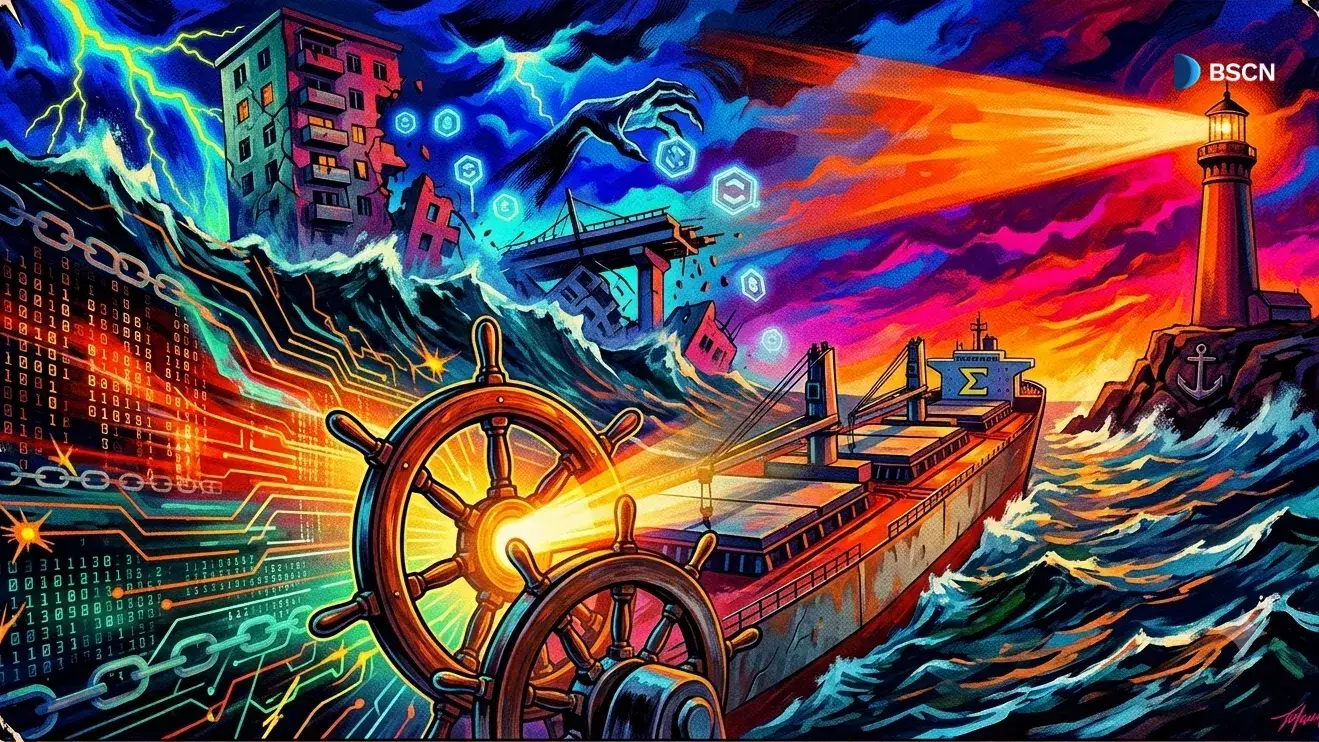
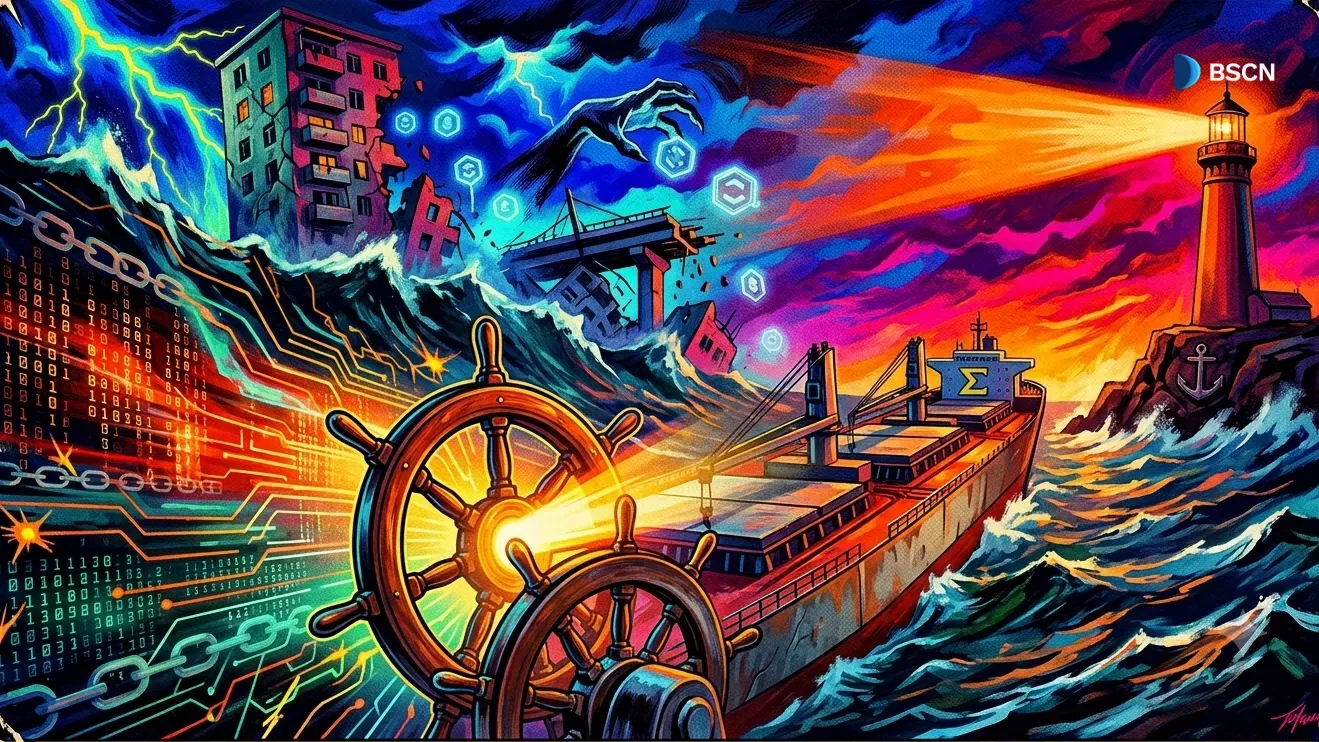
This is particularly pronounced with assets that require consistent operational oversight. Commercial shipping, for example, goes beyond just owning a vessel. Operators need to negotiate charter contracts, manage crews, oversee maintenance, navigate insurance and regulatory requirements, and respond to fluctuating freight markets. A blockchain can improve transparency around ownership and settlement, but it cannot replace decades of maritime expertise. The point is that you can’t just throw it on chain and expect the revenue to just happen, otherwise you’re putting money into a sinking ship.
That operational-first paradigm is a point of differentiation for platforms like Ethra Ship. The company is backed by Ethra Invest, which has been sourcing, acquiring, and managing dry bulk vessels through structured investment vehicles since 2021. The blockchain infrastructure came years after that, with an operating business and track record that had already been established. Ethra Ship combines a permissionless governance and utility token with a separate regulated investment layer, meaning investors gain exposure to operating vessels that generate real charter revenues. It keeps the crypto-native ecosystem distinct from the regulated asset layer.
That structure mirrors what’s going on across tokenization. Investors evaluating tokenized assets are scrutinizing the blockchain infrastructure in addition to the quality of the operator. The firms leading the sector have followed that playbook. BlackRock's BUIDL fund brought one of the world's largest asset managers into tokenized finance by putting an existing regulated investment product on-chain. Hamilton Lane used tokenization to broaden access to private-market funds built off its three decades of investment management expertise. In both cases, blockchain enhances distribution and accessibility, but it doesn't replace the operational capabilities behind the underlying assets. Ethra Ship has adopted a similar philosophy, building on years of experience acquiring and managing dry bulk vessels before introducing a tokenized participation layer.
As more capital enters RWAs, the projects that demonstrate genuine operational control are the ones that will succeed. Blockchain can improve liquidity, transparency, and accessibility, but it cannot, and will not, compensate for poor execution in the real world. The next phase of tokenization will reward platforms that combine innovation with expertise in the industries they operate.
Read Next...

Disclaimer
Disclaimer: The views expressed in this article do not necessarily represent the views of BSCN. The information provided in this article is for educational and entertainment purposes only and should not be construed as investment advice, or advice of any kind. BSCN assumes no responsibility for any investment decisions made based on the information provided in this article. If you believe that the article should be amended, please reach out to the BSCN team by emailing [email protected].
Author
 BSCN
BSCNBSCN's dedicated writing team brings over 41 years of combined experience in cryptocurrency research and analysis. Our writers hold diverse academic qualifications spanning Physics, Mathematics, and Philosophy from leading institutions including Oxford and Cambridge. While united by their passion for cryptocurrency and blockchain technology, the team's professional backgrounds are equally diverse, including former venture capital investors, startup founders, and active traders.
(Advertisement)
Latest News
0h : 46m ago
Is Avalanche AVAX Bringing Hyundai On Chain?
1h : 48m ago
Stop Tokenizing Assets You Don't Control
3h : 8m ago

What Is Cash Cat Memecoin?
7h : 8m ago

What Makes Hedera's Enterprise Adoption Strategy Different From Ethereum's?
July 8, 2026
XRP Ledger's v3.2.0 Upgrade Explained
July 8, 2026

Big News for Morpho and Ethena: What is Robinhood Earn?
July 8, 2026
What Does XRP's Relationship With Banks Actually Look Like?
July 8, 2026

How Does InterLink Solve the Bot Problem in Web3?
(Advertisement)

Crypto Project & Token Reviews
Project & Token Reviews
Comprehensive reviews of crypto's most interesting projects and assets
Learn about the hottest projects & tokens

Latest Crypto Articles
Get up to date with the latest crypto news stories and events