News
(Advertisement)


Pi Network Celebrates One Year Post-Open Network: What Has Changed Since Launch?


Pi Network marks one year of Open Network, introducing a utility-first ecosystem token design and expanded KYC infrastructure.

UC Hope
February 24, 2026

(Advertisement)
Table of Contents
One year after launching its Open Network on February 20, 2025, Pi Network has released details of a new Ecosystem Token Design and outlined progress across its blockchain, identity system, and app ecosystem.
The anniversary marks a transition from a closed development phase to an externally connected Mainnet environment. The Open Network connected Pi’s blockchain infrastructure, identity-verified user base, and Web3 applications to external systems for the first time.
This article reviews what has changed, how the token design works, and what challenges remain.
What Is Pi Network, and What Changed With Open Network?
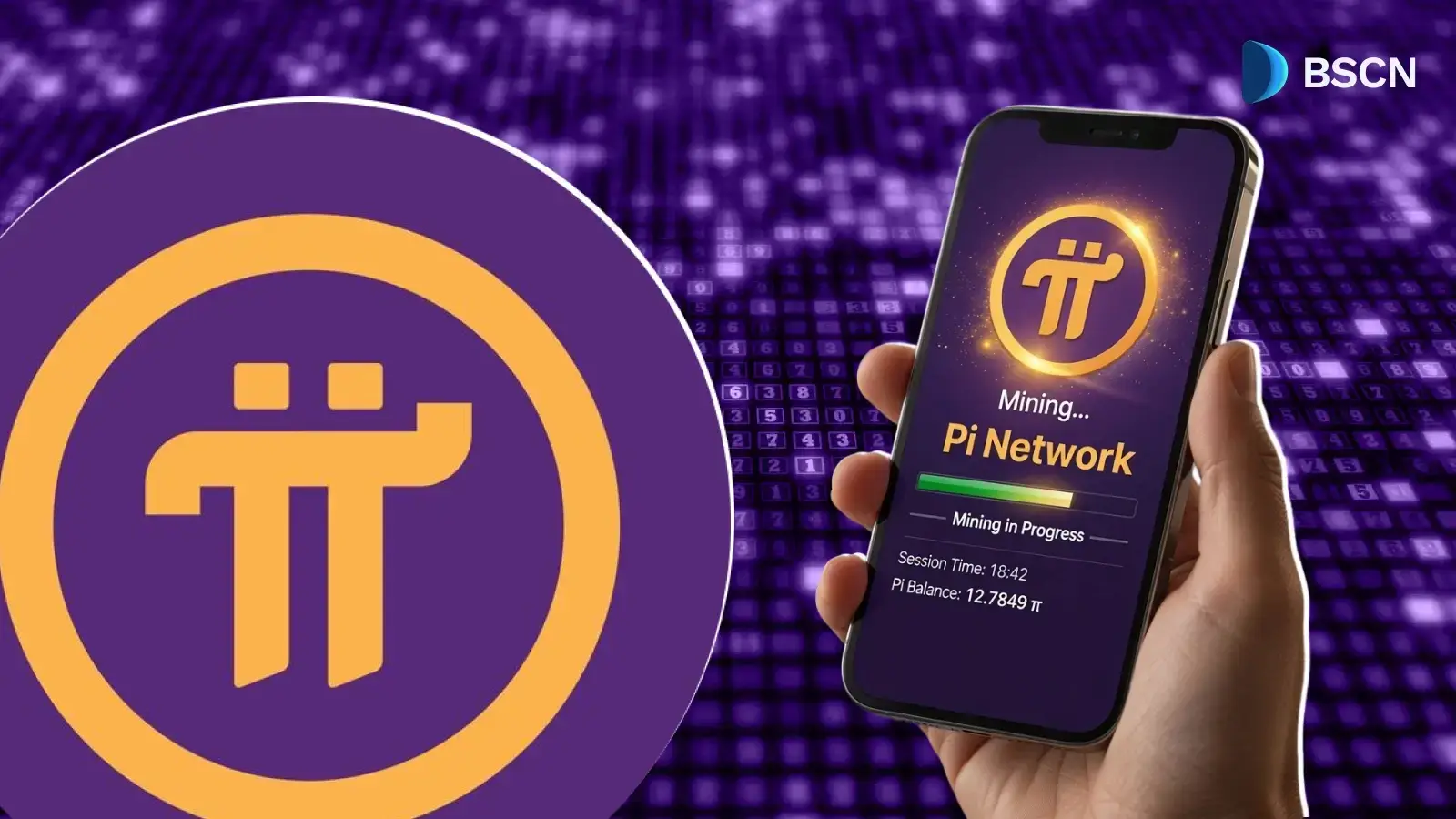
Pi Network is a blockchain project that allows users to mine its native token through a mobile application without specialized hardware. The project reports more than 50 million registered users, referred to as “Pioneers.”
Before Open Network, Pi operated in an enclosed environment. During that six-year period, the team focused on:
- Building applications inside the ecosystem
- Verifying user identities through Know Your Customer (KYC) checks
- Preparing Mainnet infrastructure
- Developing developer tools
The Open Network launch in February 2025 enabled external connectivity, allowing Pi-based applications and tokens to interact with the broader blockchain environment.
In its first year post-launch, the network reported:
- More than 100 applications in the ecosystem
- Continued Mainnet migrations
- Developer tool upgrades
- Expanded KYC processing
The team previously summarized progress in its “First 100 Days of Open Network” and 2025 year-end updates.
Why Is Pi Introducing a New Ecosystem Token Design?
On February 23, 2026, Pi announced a Pi Request for Comment (PRC), labeled PiRC1, outlining its Ecosystem Token Design proposal.
The proposal addresses a common issue in Web3 tokenomics: misalignment between token issuance and working products. Many blockchain projects issue tokens before delivering functional applications, often using tokens primarily for fundraising.
Pi’s proposed model shifts token issuance toward utility-driven integration.
Core Features of the Ecosystem Token Design
1. Mandatory Working Product
Projects must launch with a functioning app or service before issuing tokens through Pi’s structured launch program. This requirement aims to connect the token supply to actual product use.
2. Liquidity-First Allocation
All proceeds committed in Pi to acquire ecosystem tokens are deposited directly into liquidity pools. Funds do not transfer to project teams.
This structure differs from many token sales, in which teams receive capital raised. The liquidity pool model is intended to support price stability and reduce manipulation.
3. Utility-First Structure
Tokens are designed for user acquisition and in-app functionality, not fundraising. Projects integrate tokens into product use cases, encouraging ongoing engagement.
4. Stake → Escrow → Liquidity Pool → Market Framework
The proposed launchpad process includes:
- Users staking Pi
- Escrow mechanisms
- Liquidity pool allocation
- Open market participation
This framework emphasizes transparency and accountability.
5. Engagement-Based Incentives
Active users may receive preferential access or favorable terms during launches, encouraging active participation rather than passive holding.
The full proposal is published on GitHub, and the team is collecting feedback through issues, pull requests, and a Google Form.
How Does Pi KYC Fit Into the Network’s Strategy?
Pi KYC plays a central role in the network’s architecture. Unlike anonymous blockchain systems, Pi requires identity verification for Mainnet migration.
The KYC system uses a hybrid model combining:
- AI-based document processing
- Human validation workflows
- Sanction checks
- Cross-network comparisons
- Support for multiple regulatory formats
The team states that no user data is shared externally when providing KYC-as-a-service.
KYC as a Platform Capability
Pi plans to offer its KYC technology to third-party Web3 and traditional businesses. The service emphasizes:
- Global geographic coverage
- Scalability
- Compliance-oriented workflows
Identity verification remains a widely discussed issue in blockchain adoption, particularly for real-world assets and regulated financial activity.
The network argues that verifying human identity becomes more important as AI-generated bots increase online.
What Are Pi’s Priorities for 2026 and Beyond?
According to statements from founders Nicolas Kokkalis and Chengdiao Fan, near-term priorities include:
- Expanding developer tools
- Increasing app and utility creation
- Accelerating KYC processing
- Speeding Mainnet migrations
- Improving user experience
- Supporting interoperability
The network continues to position itself as identity-verified and utility-focused rather than speculation-driven.
Conclusion
One year after launching Open Network, Pi Network has expanded its application ecosystem, continued Mainnet migration, and introduced a formal proposal for ecosystem token issuance. The token design emphasizes product-first issuance, liquidity pool allocation, and user participation through staking and engagement.
At the same time, community concerns about KYC delays and the pace of migration remain evident. The effectiveness of the PRC process and the implementation of the token framework will influence how the ecosystem develops in its second year of Open Network operations.
Sources:
- Pi Network Official Blog: Celebrating one year after Open Network Launch
- Pi Network GitHub Repository: PiRC1 Proposal
- Pi Network X: Posts from the Pi Core team
Read Next...



Frequently Asked Questions
What is Pi Network’s Ecosystem Token Design?
It is a proposal that requires projects to launch working applications before issuing tokens. All token acquisition proceeds go to liquidity pools instead of project teams, and tokens must support real product use cases.
Why does Pi require KYC for Mainnet migration?
Pi requires identity verification to prevent duplicate accounts, reduce fraud, and prepare for real-world asset integration. The system uses AI and human review.
How can users provide feedback on the proposal?
Users can review the proposal on GitHub and submit detailed comments through issues or pull requests. A Google Form is available for high-level feedback.
Disclaimer
Disclaimer: The views expressed in this article do not necessarily represent the views of BSCN. The information provided in this article is for educational and entertainment purposes only and should not be construed as investment advice, or advice of any kind. BSCN assumes no responsibility for any investment decisions made based on the information provided in this article. If you believe that the article should be amended, please reach out to the BSCN team by emailing [email protected].
Author
 UC Hope
UC holds a bachelor’s degree in Physics and has been a crypto researcher since 2020. UC was a professional writer before entering the cryptocurrency industry, but was drawn to blockchain technology by its high potential. UC has written for the likes of Cryptopolitan, as well as BSCN. He has a wide area of expertise, covering centralized and decentralized finance, as well as altcoins.
(Advertisement)
Latest News
July 15, 2026

REAL Joins Blockchain for Europe to Shape EU Tokenisation Rules
July 15, 2026

Which Crypto Companies and Protocols Make The Most Money?
July 15, 2026

How SBI Built Japan's Largest Crypto Business
July 15, 2026

Elon Musk And Dogecoin: How One Man Shaped A Memecoin’s Price And Reputation
July 15, 2026
DTCC Tokenization Platform: How Does Wall Street's Blockchain Pilot Actually Work?
July 14, 2026

Report: Cardano's Biggest Updates from H1 2026
July 14, 2026

What is an XDC Network Masternode Validator?
July 13, 2026

Telebiz Goes Live With an Open-Source CRM Built Directly Into Telegram
(Advertisement)

Crypto Project & Token Reviews
Project & Token Reviews
Comprehensive reviews of crypto's most interesting projects and assets
Learn about the hottest projects & tokens

Latest Crypto Articles
Get up to date with the latest crypto news stories and events