Deepdive
(Advertisement)


MiCA Deadline Hits July 1: What Happens Next

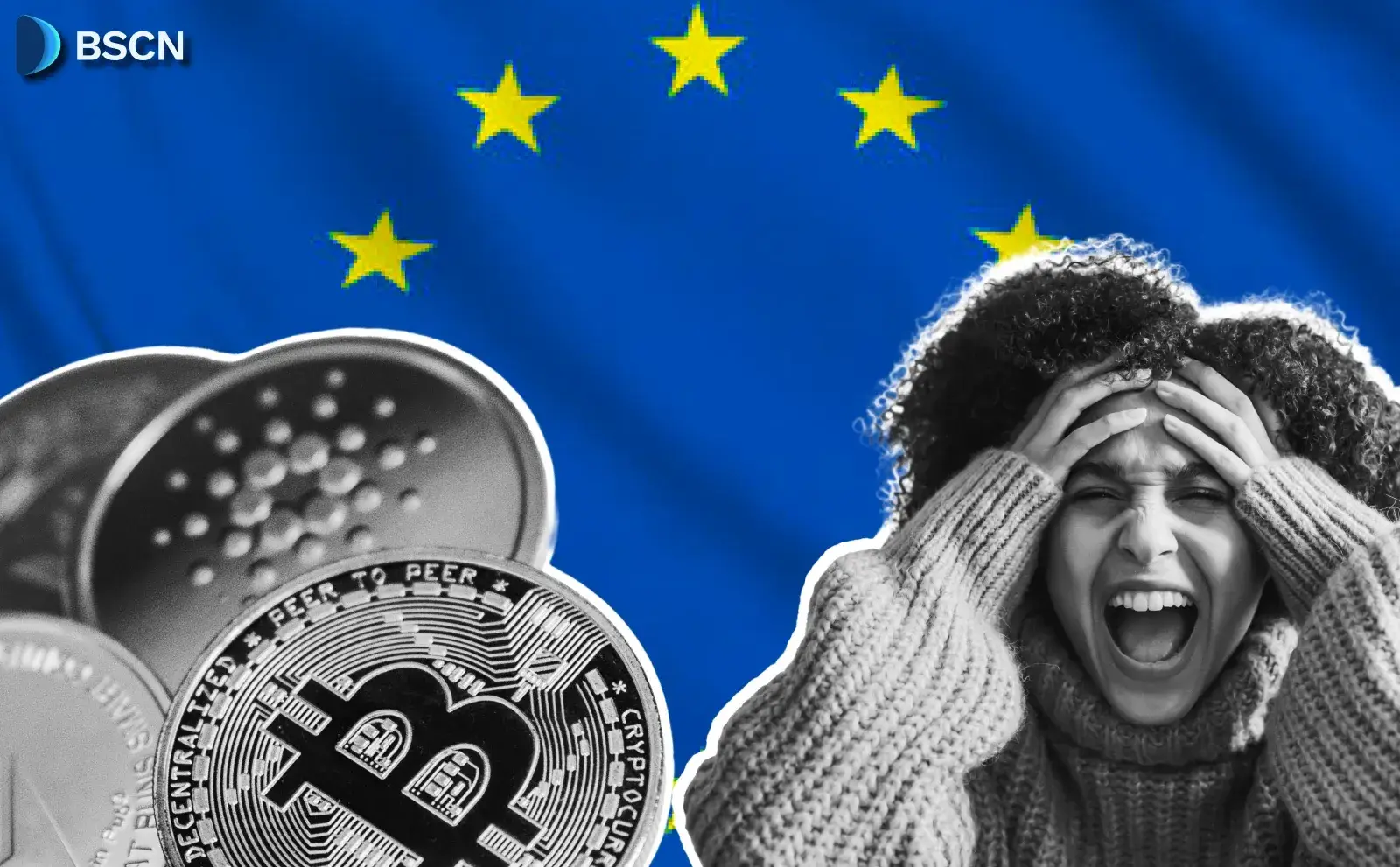
MiCA's transitional window closes July 1, 2026. ESMA has told unlicensed crypto firms to wind down. Here is what happens next for providers and users.

Crypto Rich
June 25, 2026

(Advertisement)
Table of Contents
On July 1, 2026, the EU's transitional window for crypto firms closes for good, and from that day any company serving EU clients without a MiCA license is breaking EU law and has to stop. With the date now days away, regulators have moved from explaining the rules to enforcing them.
Two developments this week showed what that shift looks like in practice. On June 23, the European Securities and Markets Authority (ESMA) told unlicensed firms to wind down their EU activities in an orderly manner. A day later, Binance withdrew its license application in Greece, leaving the largest exchange by volume without a clear EU home as the clock runs out. Our explainer on what MiCA is and why it matters covers the framework in full. This piece looks at what the deadline itself changes.
What flips on July 1?
What ends on July 1 is the "grandfathering" relief under Article 143. Firms operating on old national registrations could keep trading while they applied for full authorization. After July 1, only a full Crypto-Asset Service Provider (CASP) authorization counts, and a merely pending application no longer covers you. Licensed firms keep their passporting rights across the European Economic Area. Everyone else has to stop serving EU clients and carry out an orderly wind-down.
ESMA's June 23 statement spelled out what winding down means. Unlicensed firms must immediately stop onboarding new EU clients, end marketing and solicitation, and limit activity to what existing clients need to sell, transfer, or close positions. ESMA's earlier April statement had already set the expectation that these wind-down plans would be fully implemented by the deadline, not drawn up at the last minute. National regulators are expected to verify that the plans are real and to act against firms that simply keep operating.
Where do Binance and Tether stand?
Binance (@binance) confirmed on June 24 that it pulled its application with Greece's Hellenic Capital Market Commission and will pursue authorization in another member state, after reports that the Greek regulator was preparing to reject the bid. Per Binance, user funds remain accessible, and the exchange is contacting EU users directly about any required steps. It has not named the new jurisdiction. As things stand, Binance does not appear in ESMA's register, and without approval before July 1 it cannot legally serve EU clients.
Tether (@tether) sits outside MiCA by choice. It did not apply for e-money token authorization, and chief executive Paolo Ardoino has called the rule requiring a large share of reserves in EU bank deposits a poor fit for how Tether backs USDT. That is why $USDT spot trading was already pulled from regulated EU venues over the past year. Authorized stablecoins such as Circle's $USDC and $EURC have moved to fill the gap.
The licensed cohort stands at 231 providers across 30 EU and EEA markets, cleared by 24 national regulators, a small slice of the thousands that operated under the old national rules. Among the world's 100 largest exchanges by volume, only 13 currently hold a CASP license. The full country-by-country breakdown sits in our explainer. The point that matters: the ESMA register is the only reliable source for who is licensed, not the claims circulating on social feeds.
What users should do before July 1
The practical steps are short and worth doing now:
- Check the ESMA register for the exact legal entity that holds your account, not just the brand name. A license attaches to a specific company, so a group authorization may not cover the subsidiary you actually use.
- If your provider is not listed, move funds early to a licensed CASP or a self-hosted wallet rather than waiting for a wind-down notice.
- Expect some platforms to restrict or geo-block EU services, which can leave only a short window to act.
- Ignore unsolicited "act now" messages. Legitimate firms will not ask for your password, 2FA codes, or private keys, and real notices come through official channels.
What it means for the market
The near-term picture is consolidation. The compliance bar is the same for small and large firms alike, which thins the field and pushes some activity offshore or behind the narrow reverse-solicitation exception that ESMA has said it will scrutinize. Non-EU firms cannot solicit EU clients, and licensed firms cannot route around the rules by outsourcing regulated services to unauthorized entities.
The real test starts on July 2, when enforcement rather than paperwork decides the outcome. Whether all 27 national authorities move at the same speed will shape how clean the transition looks.
Before depositing or trading anywhere, check that your provider holds a CASP license in ESMA's official register at esma.europa.eu, or use the searchable CASP Tracker for a faster lookup. Follow @ESMAComms for regulator updates.
Sources:
- ESMA Statement on the End of Transitional Periods under MiCA April 17, 2026 statement confirming the July 1 cutoff with no extension and setting out wind-down and client-migration expectations.
- AMF French regulator summary of ESMA's June 23, 2026 public statement calling for orderly wind-downs and warning retail investors to verify their providers.
- Binance carrying Binance's June 24, 2026 update that it withdrew its Greek MiCA application and will seek authorization in another EU member state.
- ESMA MiCA hub hosting the interim register of authorized CASPs, stablecoin issuers, and official statements.
Read Next...




Disclaimer
Disclaimer: The views expressed in this article do not necessarily represent the views of BSCN. The information provided in this article is for educational and entertainment purposes only and should not be construed as investment advice, or advice of any kind. BSCN assumes no responsibility for any investment decisions made based on the information provided in this article. If you believe that the article should be amended, please reach out to the BSCN team by emailing [email protected].
Author
 Crypto Rich
Rich has been researching cryptocurrency and blockchain technology for eight years and has served as a senior analyst at BSCN since its founding in 2020. He focuses on fundamental analysis of early-stage crypto projects and tokens and has published in-depth research reports on over 200 emerging protocols. Rich also writes about broader technology and scientific trends and maintains active involvement in the crypto community through X/Twitter Spaces, and leading industry events.
(Advertisement)
Latest News
1h : 45m ago

REAL Joins Blockchain for Europe to Shape EU Tokenisation Rules
3h : 11m ago

Which Crypto Companies and Protocols Make The Most Money?
4h : 38m ago
How SBI Built Japan's Largest Crypto Business
5h : 0m ago

Elon Musk And Dogecoin: How One Man Shaped A Memecoin’s Price And Reputation
10h : 0m ago
DTCC Tokenization Platform: How Does Wall Street's Blockchain Pilot Actually Work?
July 14, 2026

Report: Cardano's Biggest Updates from H1 2026
July 14, 2026

What is an XDC Network Masternode Validator?
July 13, 2026
Telebiz Goes Live With an Open-Source CRM Built Directly Into Telegram
(Advertisement)

Crypto Project & Token Reviews
Project & Token Reviews
Comprehensive reviews of crypto's most interesting projects and assets
Learn about the hottest projects & tokens

Latest Crypto Articles
Get up to date with the latest crypto news stories and events