News
(Advertisement)


Canada Plans Full Ban on Crypto ATMs

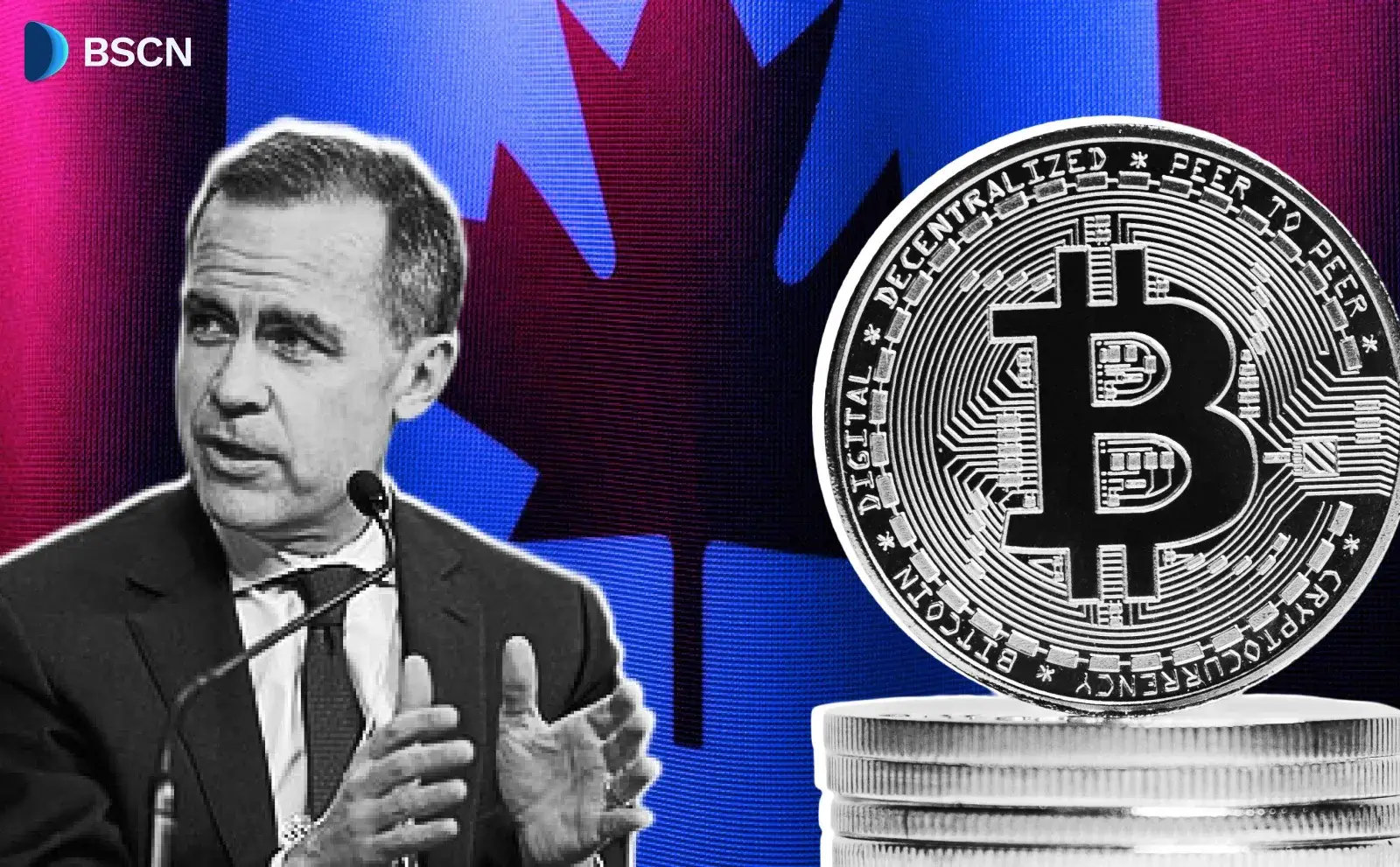
Canada's 2026 Spring Economic Update proposes a full ban on crypto ATMs, citing fraud losses topping $704M in 2025.

Crypto Rich
April 30, 2026

(Advertisement)
Table of Contents
Canada's federal government wants to shut down every crypto ATM in the country. The proposal landed in the Spring Economic Update 2026, released April 28, and would wipe out close to 4,000 machines that currently let Canadians swap cash for Bitcoin and other tokens at gas stations, malls, and convenience stores.
The government frames the move as a crackdown on fraud, not a crypto crackdown. But the scale of the ban is unusual for a G7 country, and it cuts off one of the easiest on-ramps for new users.
What did the government actually propose?
Section 2.4 of the Spring Economic Update lays it out plainly. The Carney government plans to make it a criminal offense to operate a cryptocurrency ATM, closing what it calls a primary method scammers use to defraud victims and launder cash from criminal proceeds.
The proposal is not yet law. It still needs legislative follow-through, and the document does not set a timeline, enforcement plan, or penalties. Whether existing machines get grandfathered is also unanswered.
Canadians will still be able to buy crypto in person from staffed money services businesses. The ban targets standalone, self-service kiosks only.
Why crypto ATMs?
Canada hosts close to 4,000 crypto ATMs, one of the highest per-capita concentrations in the world. The global total sits above 39,000. Most Canadian machines accept cash with little more than a phone number for transactions under $1,000, then send crypto to any wallet on Earth within minutes.
That speed and lack of friction is exactly what regulators flagged. A 2023 FINTRAC analysis, cited in the update, called crypto ATMs the primary method fraudsters use to collect and launder money from scam victims. CBC's multi-year "Feeding Fraud" investigation documented case after case of seniors being coached over the phone to deposit thousands of dollars into kiosks they had never used before.
The fraud numbers underline the political pressure. The Canadian Anti-Fraud Center logged more than $704 million in reported losses in 2025. Cumulative losses since 2022 top $2.4 billion, and the agency estimates only 5 to 10 percent of incidents are ever reported. The real total is likely several times higher.
How does this compare globally?
Canada would be the first G7 country to skip licensing entirely and move straight to prohibition. Other jurisdictions have taken softer routes:
- The United Kingdom has issued zero crypto ATM licenses since 2021, an effective ban without a formal one.
- New Zealand is consulting on its own ban.
- Australia caps daily transaction amounts.
- Several US states have bans, transaction caps, or mandatory refund rules for scam victims.
The Canadian proposal sits inside a wider MSB overhaul, including new Ministerial Directive powers, tighter FINTRAC registration and revocation rules, and expanded criminal record checks for operators.
What does it mean for the industry?
For operators, the hit is severe. Many of the affected machines are run by small businesses, and a national ban removes the entire revenue line in one stroke. The Canadian ATM market has been consolidating for years, but prohibition leaves nothing to consolidate.
For users, the practical effect is the loss of a cash on-ramp. People without bank accounts, or those who simply prefer cash, would be pushed toward staffed MSBs or peer-to-peer trades. Crypto industry voices on X have already pushed back, arguing the ban will move fraud elsewhere rather than stop it, and accusing the government of protecting incumbent banks. Others framed it more bluntly as a loss for Canadian self-custody culture.
The consumer-protection case is harder to dismiss. FINTRAC data and CBC's reporting both point to real harm falling hardest on people who can least afford the loss. The debate now heading into Parliament is whether a full ban is the right tool, or whether stronger ID rules and transaction limits would have done the same job.
The next step is the legislative or regulatory process to put the proposal into force. Until then, Canada's roughly 4,000 machines stay on, but their days look numbered.
Sources:
- Government of Canada Spring Economic Update 2026, Chapter 2, with the official ban proposal text.
- Law360 Canada Reporting on the criminal offense framing in the Spring Economic Update 2026.
- CBC News Reporting on the proposed ban and the "Feeding Fraud" investigation into crypto ATM scams.
- FINTRAC Canada's financial intelligence agency, source of the 2023 analysis on crypto ATM fraud cited in the update.
- Canadian Anti-Fraud Centre Official fraud loss statistics referenced in the Spring Economic Update.
Read Next...



Disclaimer
Disclaimer: The views expressed in this article do not necessarily represent the views of BSCN. The information provided in this article is for educational and entertainment purposes only and should not be construed as investment advice, or advice of any kind. BSCN assumes no responsibility for any investment decisions made based on the information provided in this article. If you believe that the article should be amended, please reach out to the BSCN team by emailing [email protected].
Author
 Crypto Rich
Rich has been researching cryptocurrency and blockchain technology for eight years and has served as a senior analyst at BSCN since its founding in 2020. He focuses on fundamental analysis of early-stage crypto projects and tokens and has published in-depth research reports on over 200 emerging protocols. Rich also writes about broader technology and scientific trends and maintains active involvement in the crypto community through X/Twitter Spaces, and leading industry events.
(Advertisement)
Latest News
July 17, 2026

What is the Nakamoto Coefficient & Why Does it Matter?
July 17, 2026

How to Trade on Robinhood Chain, Crypto's Busiest New Memecoin Market
July 17, 2026

Insights from CoinGecko's Q2 Crypto Report
July 17, 2026
Why Is Sui's Approach to Storing Data On Chain Different From Most Blockchains?
July 17, 2026

Why Does XRP Move Faster Than Bitcoin, And What Makes It Possible?
July 17, 2026

Top 8 Prediction Markets in Crypto Today
July 16, 2026

Grayscale Picks Its Most Promising Tokenization Blockchains
July 16, 2026

Crypto's Top Five Centralized Exchanges
(Advertisement)

Crypto Project & Token Reviews
Project & Token Reviews
Comprehensive reviews of crypto's most interesting projects and assets
Learn about the hottest projects & tokens

Latest Crypto Articles
Get up to date with the latest crypto news stories and events