News
(Advertisement)


Sui Moves Closer to Wall Street as Bitwise Submits ETF Filing to SEC

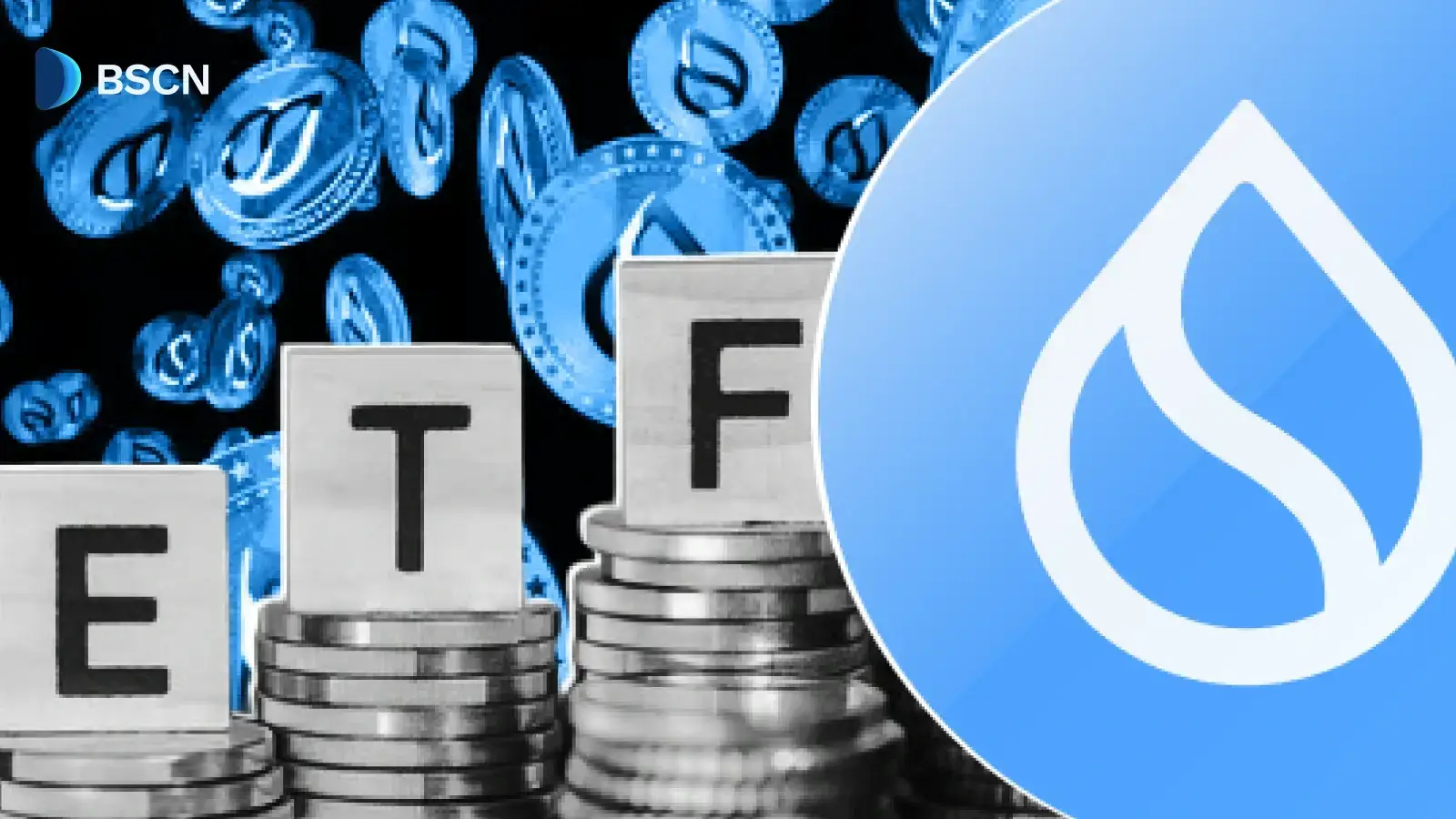
Bitwise has filed with the US SEC to launch a spot ETF tracking the SUI token, joining Grayscale, 21Shares, and Canary Capital.

Soumen Datta
December 18, 2025

(Advertisement)
Table of Contents
Bitwise has filed with the US Securities and Exchange Commission to launch an exchange-traded fund that tracks the SUI token, on Dec. 18. The filing confirms that Bitwise plans to offer a spot SUI ETF that would hold the SUI token directly, giving investors regulated exposure through traditional stock markets rather than crypto exchanges.
This move places Bitwise among a small group of asset managers seeking to bring Sui into US-listed ETF products, alongside Grayscale, 21Shares, and Canary Capital.
What Did Bitwise File With the SEC?
Bitwise submitted a Form S-1 registration statement to the SEC. This document is the first formal step required to launch a new exchange-traded fund in the United States. It outlines how the fund will operate, how assets will be held, and what risks investors should understand.
The proposed fund would provide direct exposure to SUI, the native token of the Sui blockchain. This makes it a spot ETF, meaning it would hold the underlying asset rather than using futures contracts or derivatives.
Bitwise is now the fourth asset manager to file for a spot SUI ETF. Grayscale filed earlier this month, while 21Shares and Canary Capital submitted similar proposals earlier in the year.
Bitwise already offers spot ETFs for several major crypto assets:
If approved, SUI would become the sixth crypto asset with a dedicated spot ETF from the firm.
How Would a Spot SUI ETF Work?
A spot SUI ETF would hold SUI tokens directly on behalf of investors. Shares of the ETF would trade on a regulated stock exchange, allowing investors to buy and sell exposure to SUI using standard brokerage accounts.
This structure removes several common barriers for investors who are uncomfortable with crypto wallets or exchanges. There is no need to manage private keys, interact with onchain protocols, or handle token custody personally.
According to the filing, Coinbase will act as the custodian for the fund. Coinbase already serves as custodian for several approved crypto ETFs and operates under US regulatory oversight.
The filing also states that Bitwise plans to support:
- In-kind creations and redemptions
- Direct interaction with SUI tokens rather than cash-only settlement
In-kind processes allow authorized participants to deliver SUI tokens directly to the fund in exchange for ETF shares, or receive tokens when redeeming shares. This structure is commonly used in commodity and crypto ETFs to reduce trading friction and tracking error.
Will the Bitwise SUI ETF include staking?
One notable detail in the filing is Bitwise’s plan to offer staking for the SUI ETF. Staking involves locking tokens to support network operations, such as validating transactions, in exchange for additional token rewards.
If implemented, staking could allow the ETF to generate extra SUI over time. These rewards would belong to the fund and could affect returns for investors.
Staking in ETFs has drawn attention from regulators. The SEC has previously raised questions about how staking rewards should be treated and disclosed. How the SEC responds to this feature could influence the timeline for approval.
Why is Bitwise Pursuing a SUI ETF Now?
Interest in Sui has grown as the network has matured and gained real usage. Sui is a layer-1 blockchain designed for high throughput and low latency. It uses an object-based model that allows parallel transaction processing, which differs from the account-based systems used by Ethereum.
From an investment perspective, Sui has reached a point where multiple large asset managers see enough liquidity and market depth to justify an ETF product.
Bitwise already offers Sui exposure through its crypto index fund, which is available to institutional investors. However, that product holds multiple assets. A standalone ETF would give investors pure exposure to SUI.
In 2025, the SEC has approved or reviewed a growing number of crypto ETFs beyond Bitcoin and Ethereum, signaling a more structured approach to digital asset products.
How Does This Compare With Other SUI ETF Filings?
Grayscale, 21Shares, and Canary Capital have all filed to offer spot SUI ETFs. Among them, 21Shares appears closest to launch, having already amended its filing with additional operational details.
Earlier this month, the SEC approved a 2x leveraged SUI ETF from 21Shares. The fund trades under the ticker TXXS on Nasdaq and seeks to deliver twice the daily return of the SUI token.
That leveraged product does not hold SUI directly. Instead, it uses derivatives such as swaps and contracts to track price movements. Leveraged ETFs amplify gains and losses and are generally considered higher risk.
Worth noting, SEC has historically been cautious about leveraged crypto products. In past statements, the regulator expressed concerns about three times and five times leveraged funds. Despite those concerns, the SUI leveraged ETF received approval, marking a shift in regulatory posture.
Does Leveraged ETF Approval Help Spot ETF Chances?
Not directly, but it adds context. The SEC evaluates spot and leveraged ETFs under different criteria. Spot ETFs require careful review of market integrity, liquidity, and resistance to manipulation.
That said, approving a leveraged product tied to SUI suggests the regulator is comfortable with the token being referenced in regulated financial products. It also indicates that surveillance and pricing mechanisms are considered adequate at some level.
The SEC has also passed generic listing standards that make it easier for crypto ETFs to reach the market. These standards reduce the need for case-by-case rule changes, which previously slowed approvals.
What Challenges Could the SUI ETF Face?
Despite progress, approval is not guaranteed. The SEC has been more cautious with spot crypto ETFs beyond Bitcoin and Ethereum.
Key issues the regulator may examine include:
- Liquidity across global SUI markets
- Concentration of token ownership
- Susceptibility to price manipulation
- Reliability of pricing benchmarks
Sui is newer than Bitcoin or Ethereum, which means it has a shorter trading history. That can raise questions about market stability, especially during periods of stress.
Regulators may also look closely at staking features, custody arrangements, and how the ETF would handle network upgrades or disruptions.
How Does This Affect the Sui Ecosystem?
An approved spot ETF would not change how the Sui network operates. It would not affect transaction fees, validator mechanics, or tokenomics.
However, it could change how capital flows into the asset. ETFs allow exposure through pension funds, advisors, and institutions that do not use crypto-native infrastructure.
For the Sui ecosystem, this means:
- Broader investor participation
- Increased scrutiny of network performance
- Greater focus on transparency and reporting
What Happens Next in the SEC Process?
After filing the Form S-1, the SEC will review the proposal and may issue comments or request amendments. This process can take months and often involves multiple revisions.
Key milestones include:
- SEC comment letters and responses
- Possible amendments to disclosures
- Selection of an exchange for listing
- Final approval or rejection
Bitwise has not yet disclosed the ETF’s ticker symbol or listing venue.
Conclusion
Bitwise’s filing to launch a spot SUI ETF marks another step in the expansion of regulated crypto investment products in the US. The proposed fund would give investors direct exposure to the SUI token through a familiar ETF structure, with Coinbase serving as custodian and staking included as a potential feature.
While regulatory hurdles remain, the filing places Sui alongside a small group of crypto assets attracting sustained interest from major asset managers. The outcome will depend on how the SEC evaluates market structure, custody, and staking within a spot ETF framework.
Resources
Bitwise filing with the US SEC: S-1 filing for SUI ETF
Sui Network on X: Announcements (December, 2025)
Sui Blog article: 21shares Lists 2x Leveraged SUI ETF (TXXS) on Nasdaq
Report by CoinTelegraph: Bitwise files with SEC to offer spot Sui ETF
Read Next...





Frequently Asked Questions
What is Bitwise proposing with its SUI ETF filing?
Bitwise has filed with the SEC to launch a spot ETF that would hold the SUI token directly and trade on a US stock exchange.
Is this the first SUI ETF proposal in the US?
No. Grayscale, 21Shares, and Canary Capital have also filed to offer spot SUI ETFs.
Does the ETF hold SUI tokens directly?
Yes. A spot SUI ETF would hold the underlying SUI token, unlike leveraged ETFs that use derivatives.
Disclaimer
Disclaimer: The views expressed in this article do not necessarily represent the views of BSCN. The information provided in this article is for educational and entertainment purposes only and should not be construed as investment advice, or advice of any kind. BSCN assumes no responsibility for any investment decisions made based on the information provided in this article. If you believe that the article should be amended, please reach out to the BSCN team by emailing [email protected].
Author
 Soumen Datta
Soumen has been a crypto researcher since 2020 and holds a master’s in Physics. His writing and research has been published by publications such as CryptoSlate and DailyCoin, as well as BSCN. His areas of focus include Bitcoin, DeFi, and high-potential altcoins like Ethereum, Solana, XRP, and Chainlink. He combines analytical depth with journalistic clarity to deliver insights for both newcomers and seasoned crypto readers.
(Advertisement)
Latest News
July 15, 2026

REAL Joins Blockchain for Europe to Shape EU Tokenisation Rules
July 15, 2026

Which Crypto Companies and Protocols Make The Most Money?
July 15, 2026

How SBI Built Japan's Largest Crypto Business
July 15, 2026

Elon Musk And Dogecoin: How One Man Shaped A Memecoin’s Price And Reputation
July 15, 2026
DTCC Tokenization Platform: How Does Wall Street's Blockchain Pilot Actually Work?
July 14, 2026

Report: Cardano's Biggest Updates from H1 2026
July 14, 2026

What is an XDC Network Masternode Validator?
July 13, 2026

Telebiz Goes Live With an Open-Source CRM Built Directly Into Telegram
(Advertisement)

Crypto Project & Token Reviews
Project & Token Reviews
Comprehensive reviews of crypto's most interesting projects and assets
Learn about the hottest projects & tokens

Latest Crypto Articles
Get up to date with the latest crypto news stories and events