

SEC Delays Approval For First Prediction-Market Etfs
The U.S. SEC has pushed back the launch of more than two dozen prediction-market ETFs from Bitwise, Roundhill, and GraniteShares, seeking clarity on product mechanics and risk disclosures as retail interest in platforms like Kalshi and Polymarket surges.
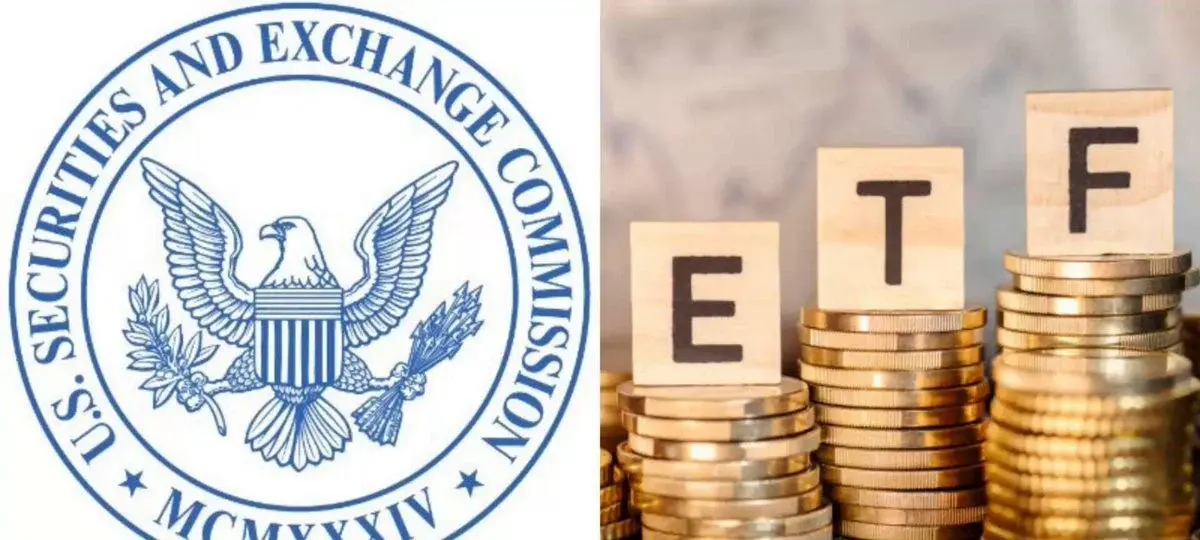
The U.S. Securities and Exchange Commission has pumped the brakes on what would have been a landmark moment for retail finance. More than two dozen prediction-market ETFs, originally slated to debut this week, have been delayed after the SEC requested additional information from issuers on product mechanics and disclosures.
Among those caught in the holding pattern are Bitwise, Roundhill Investments, and GraniteShares — three of the most active names in the ETF filing space. The products in question aim to give everyday investors exchange-traded access to event-driven contracts tied to outcomes such as the 2026 U.S. midterm elections, recession probabilities, and commodity price thresholds.
How the Products Would Work
The structure is straightforward in concept but novel in practice. The ETFs generally use derivatives to track the odds of binary "yes/no" outcomes in underlying contracts traded on CFTC-regulated exchanges, such as Kalshi. Those contracts pay out $1 if an event takes place and nothing if it doesn't — and users can buy hundreds of contracts at a time. The ETF wrapper would also allow investors to roll positions into a similar outcome for the next election cycle, calendar year, or other period.
Bitwise, for instance, filed for an ETF that would allow users to bet on the price of crude oil topping $120 a barrel this year. Roundhill, meanwhile, has flagged the risks plainly in its own filings. The SEC filings are full of warnings about the potential impact of new regulations, litigation, and what Roundhill describes as "heightened risks" related to insider trading in event contracts. Even if an outcome — such as the number of tech-industry layoffs or the result of an election — is disputed or later revised, investor losses are final. In that scenario, investors will have "no recourse," Roundhill warns.
A Temporary Delay, But a Pivotal Moment
Sources indicate the SEC is requesting further clarification on the products' mechanisms and disclosures, with the delay expected to be temporary. Under SEC rules, ETFs are automatically effective 75 days after filing, unless the SEC steps in.
The move comes as prediction markets have gone decidedly mainstream. These ETFs would blend the accessibility of exchange-traded products with the speculative nature of prediction markets, a sector that has expanded rapidly since platforms like Kalshi and Polymarket attracted mainstream attention. Polymarket alone processed over $7.5 billion in trading volume through 2025, making it the largest prediction market by a wide margin.
There is also a growing institutional argument for the asset class. Edward Ridgely, co-founder of Strand, a trading platform that consolidates prediction market order books, said some clients use event-driven contracts to hedge their exposure to everything from bonds to crude oil, calling the prospect of adding prediction-market ETFs "tantalizing."
The SEC's review reflects a balancing act between encouraging financial innovation and addressing concerns about manipulation and insider trading. How the regulator ultimately rules could set the tone for an entirely new category of retail investment product.
Sources:
Reuters via Yahoo Finance — US SEC review delays first prediction-market ETFs
SRN News — US SEC review delays first prediction-market ETFs
Related News:
BSCN — Polymarket Guide: How to Trade on Prediction Markets

(Advertisement)
Author
 UC Hope
UC holds a bachelor’s degree in Physics and has been a crypto researcher since 2020. UC was a professional writer before entering the cryptocurrency industry, but was drawn to blockchain technology by its high potential. UC has written for the likes of Cryptopolitan, as well as BSCN. He has a wide area of expertise, covering centralized and decentralized finance, as well as altcoins.