

Pakistan's regulator is asking clerics to split crypto in two

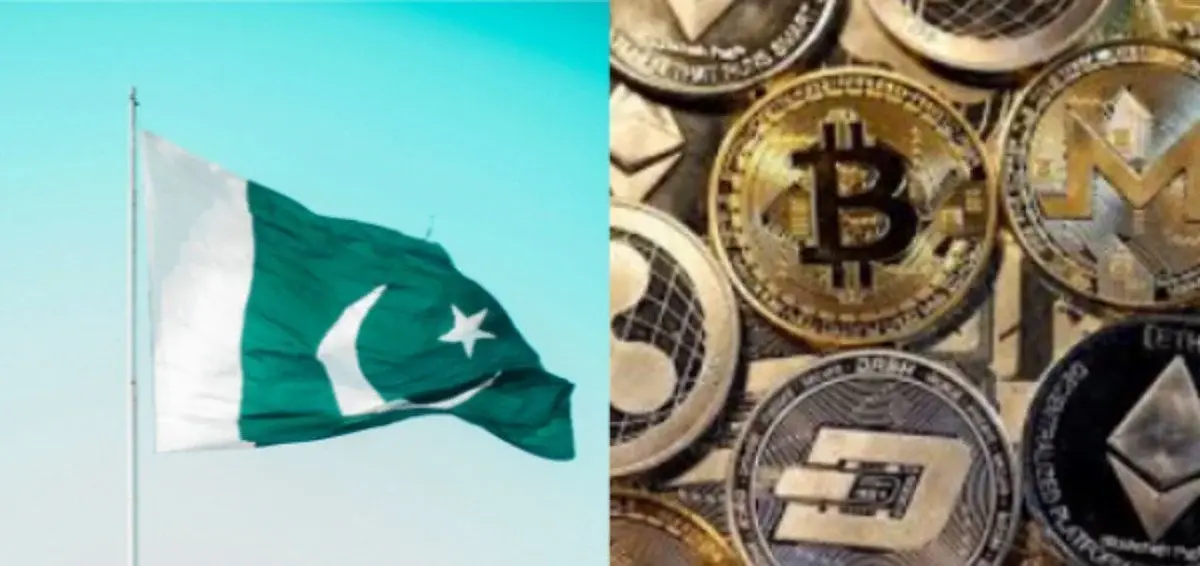
Pakistan's crypto regulator PVARA is pushing Islamic scholars to assess digital assets by category after a Karachi seminary ruled crypto is not valid wealth under Shariah law, putting bank-led adoption at risk.
(Advertisement)

Pakistan's crypto sector is navigating a tension that few other markets face: a formal regulatory push colliding head-on with a religious ruling that could reshape how tens of millions of people view digital assets.
The Fatwa That Changed the Conversation
The Jamia Darul Uloom Karachi seminary, whose rulings carry wide influence among Muslims well beyond Pakistan, ruled in June that cryptocurrency is not wealth under Islamic law and therefore not a valid means of payment. The fatwa was issued on June 10 and signed by Mufti Muhammad Taqi Usmani, a former Federal Shariat Court judge, alongside five other scholars. It asserts that various forms of digital assets, including major cryptocurrencies like $BTC and Ethereum, along with tokens and stablecoins such as $USDT, fail to satisfy core Shariah criteria for legitimate wealth or property, known as maal.
The religious ruling has cast doubt on the government's rapid embrace of crypto in Pakistan, an Islamic nation of more than 240 million people that has long ranked among the world's largest crypto markets by retail activity. Pakistan ranks third globally in crypto adoption according to the 2025 Chainalysis Global Crypto Adoption Index, with approximately 40 million users engaged in digital assets as of mid-2026.
PVARA's Response: Divide and Assess
Bilal bin Saqib (@Bilalbinsaqib), chairman of the Pakistan Virtual Assets Regulatory Authority (PVARA), told Reuters he had asked for clarification after the seminary issued its ruling. PVARA is in discussions with the seminary to assess digital assets by category, not as a single class. A blockchain-recorded sukuk, or Islamic bond, represents ownership of a real, income-generating asset, he said, while gold-backed tokens or fully reserved stablecoins carry an enforceable claim on something tangible and redeemable. Purely speculative tokens with no underlying asset are a separate matter, and the scholars' concerns there must be taken seriously, he added.
In March 2026, the Virtual Assets Act 2026 was passed, establishing PVARA as the statutory licensing and oversight authority for digital asset activities. In April, the State Bank of Pakistan allowed banks to open accounts for PVARA-licensed virtual asset service providers, ending an eight-year ban on regulated institutions' crypto operations. Notably, the law also mandated the creation of a Shariah Advisory Committee, suggesting legislators anticipated exactly this kind of tension between digital finance innovation and Islamic legal principles.
The edict as it stands could become "a hurdle to broader, bank-led crypto adoption beyond Pakistan's urban trading community," said Waqas Ghani, head of research at JS Global Capital. So far, however, crypto trading volumes have appeared unaffected. Talks between PVARA and the seminary are ongoing, with no amendment to the fatwa announced as of publication.
Sources:
Reuters via Zawya: Pakistan's crypto push clouded by Islamic edict, regulator asks for clarification
The Express Tribune: Saqib and Mufti Taqi Usmani discuss crypto Shariah considerations
Bitcoin Foundation: Pakistan's Crypto Regulation Stalled? Regulator Can't Reach Consensus With Religious Leaders
(Advertisement)
Latest News

Read More...
Author
 Crypto Rich
Rich has been researching cryptocurrency and blockchain technology for eight years and has served as a senior analyst at BSCN since its founding in 2020. He focuses on fundamental analysis of early-stage crypto projects and tokens and has published in-depth research reports on over 200 emerging protocols. Rich also writes about broader technology and scientific trends and maintains active involvement in the crypto community through X/Twitter Spaces, and leading industry events.