

KALSHI BLOCKED VAN DYKE BEFORE HE WENT TO POLYMARKET
US Army Master Sergeant Gannon Ken Van Dyke was blocked from opening a Kalshi account before placing $33,000 in Maduro-related bets on Polymarket using a VPN, Reuters reported. He now faces up to 40 years in prison.
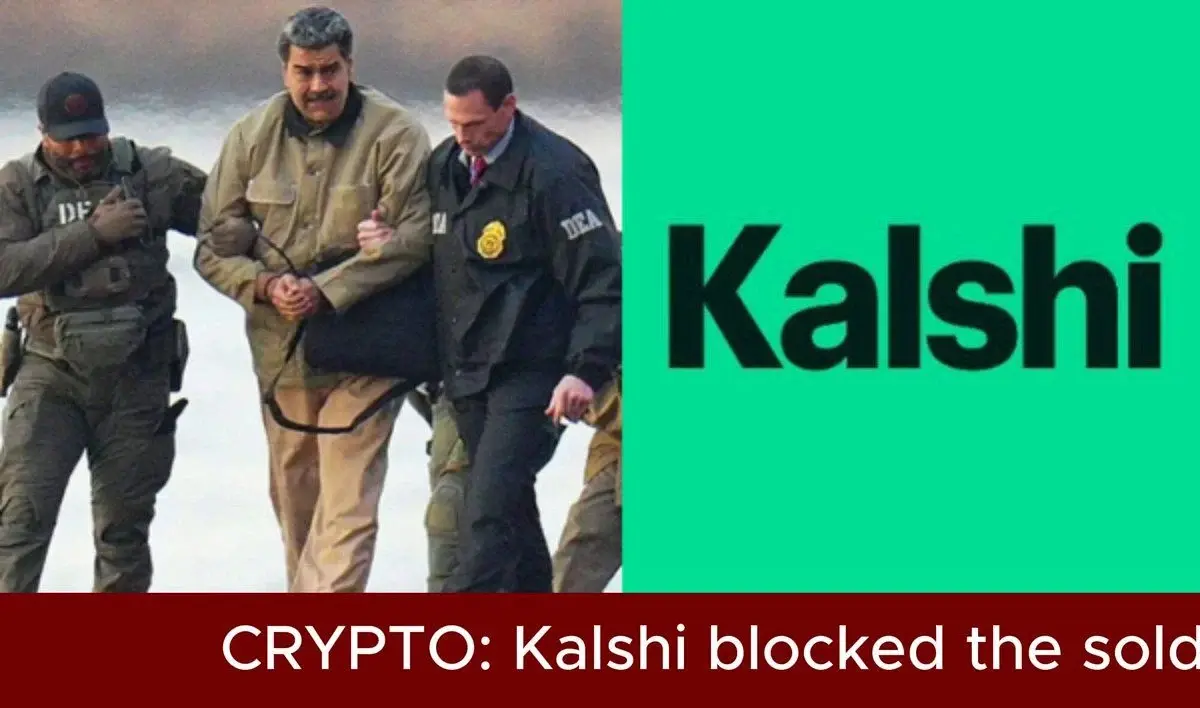
US Army Master Sergeant Gannon Ken Van Dyke attempted to open an account on @Kalshi in late December but was blocked from doing so, Reuters reported on Thursday, citing a source familiar with the matter. Unable to access the regulated US prediction market, Van Dyke turned to Polymarket's offshore Panama-based exchange using a VPN — and placed a series of bets that have now landed him at the centre of the first-ever US insider trading prosecution on a prediction market platform.
How Kalshi's Compliance Stopped Van Dyke — and Polymarket's Didn't
According to the CFTC complaint unsealed on Thursday, Van Dyke tried to register on an unnamed events contracts platform around December 26–28 and was rejected even after contacting customer support. Reuters identified that platform as @Kalshi, which maintains a public registry blocking politicians, government officials, and athletes from trading.
Van Dyke, a 38-year-old Special Forces soldier stationed at Fort Bragg, North Carolina, was part of the team that planned and executed "Operation Absolute Resolve" — the classified January 3 raid on Caracas that resulted in the capture of Venezuelan President Nicolás Maduro. Prosecutors allege he used his access to classified operational details to wager roughly $33,000 across 13 bets on Polymarket that Maduro would be removed from office or that US forces would invade Venezuela. Those bets paid out approximately $409,000.
The contrast between the two platforms' safeguards is now a central issue. Kalshi, a CFTC-regulated exchange, enforces know-your-customer (KYC) procedures that flagged and rejected Van Dyke's application. Polymarket's international platform, by contrast, allows users to create accounts with just an email address or a crypto wallet — no identity verification required. Van Dyke used a VPN to pose as a foreign user and access the platform, which only flagged his bets after they had resolved.
Federal Charges and the Prediction Market Reckoning
Van Dyke faces charges including wire fraud, commodities fraud, unlawful use of confidential government information, and theft of nonpublic government information. If convicted on all counts, he faces up to roughly 40 years in prison. Both the DOJ and the CFTC filed parallel actions — the DOJ unsealing a criminal indictment and the CFTC pursuing a civil complaint in the Southern District of New York.
The case arrives during an intense period of scrutiny for the prediction market industry. Earlier this week, @Kalshi fined and suspended three congressional candidates for wagering on their own elections. Separately, bipartisan lawmakers are considering legislation to ban prediction markets from accepting bets on war, assassinations, or terrorist attacks.
Polymarket said it identified Van Dyke's trading activity and referred the matter to the DOJ, cooperating with the investigation. The company pointed to enhanced market integrity rules it published last month as evidence that "the system works."
Acting Attorney General Todd Blanche framed the prosecution as a warning: "Widespread access to prediction markets is a relatively new phenomenon, but federal laws protecting national security information fully apply."
Sources:
CNBC — U.S. soldier arrested for Polymarket bets on Maduro capture
NPR — U.S. soldier charged with using classified information to bet on Maduro's removal
Reuters via Investing.com — US soldier blocked from opening Kalshi account
Related News:

(Advertisement)
Author
 BSCN
BSCNBSCN's dedicated writing team brings over 41 years of combined experience in cryptocurrency research and analysis. Our writers hold diverse academic qualifications spanning Physics, Mathematics, and Philosophy from leading institutions including Oxford and Cambridge. While united by their passion for cryptocurrency and blockchain technology, the team's professional backgrounds are equally diverse, including former venture capital investors, startup founders, and active traders.