

Cardano Turning To 11000 DAOs To Fix Internal Conflict?

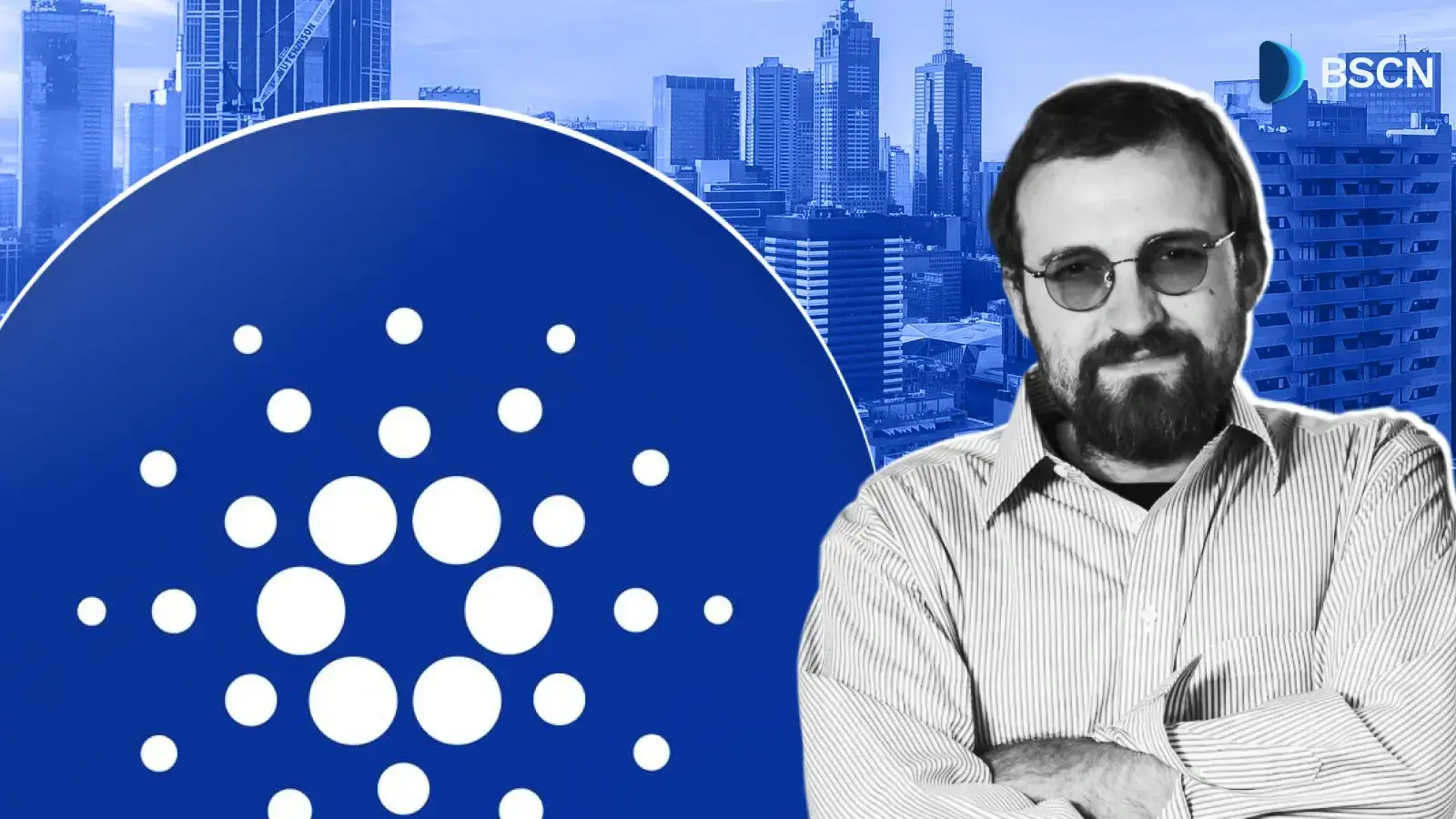
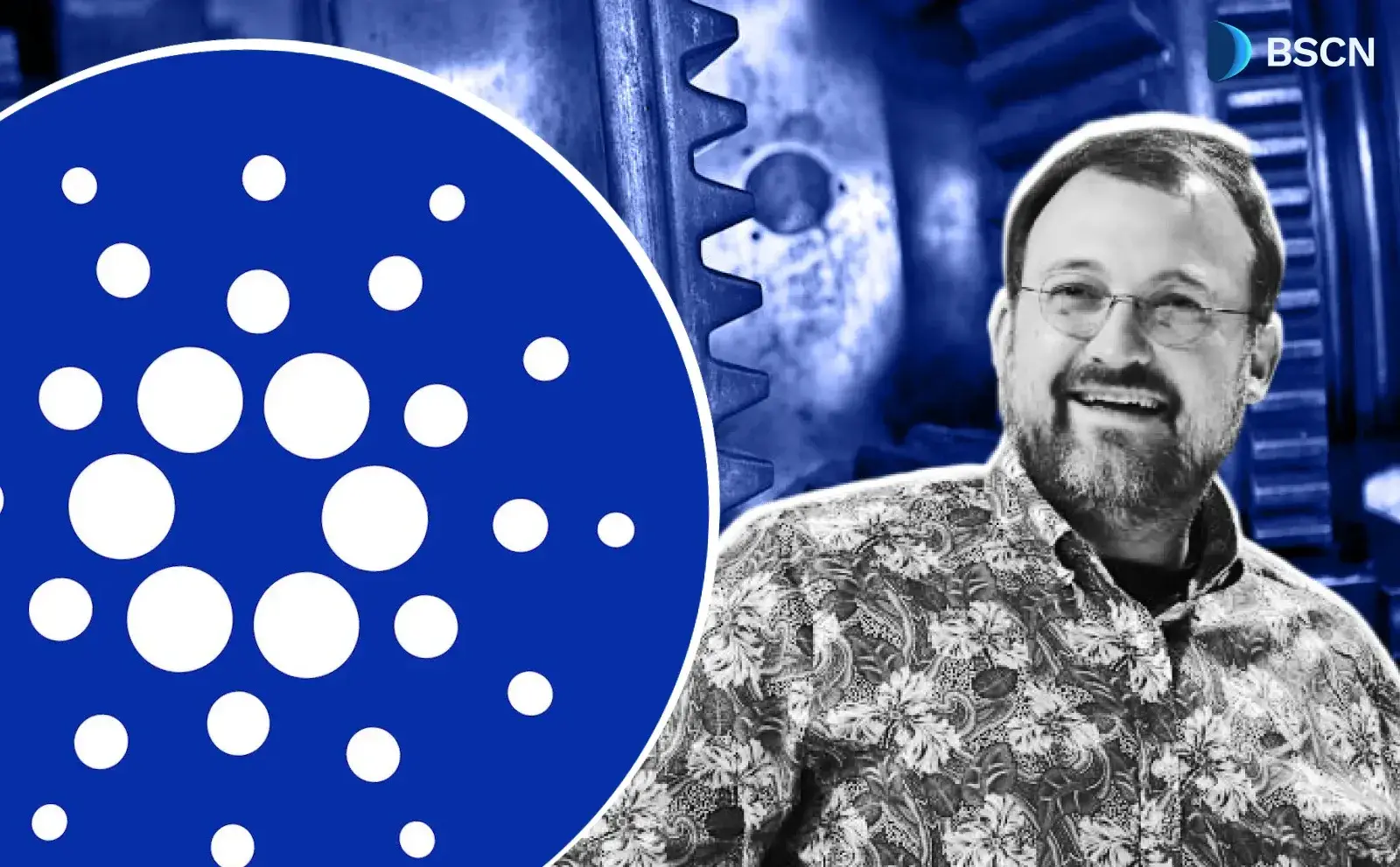
Cardano founder Charles Hoskinson is reviewing governance models from more than 11,000 DAOs to reshape how the network handles disputes, roadmap planning, and strategic decisions ahead of a 2027 constitutional deadline.
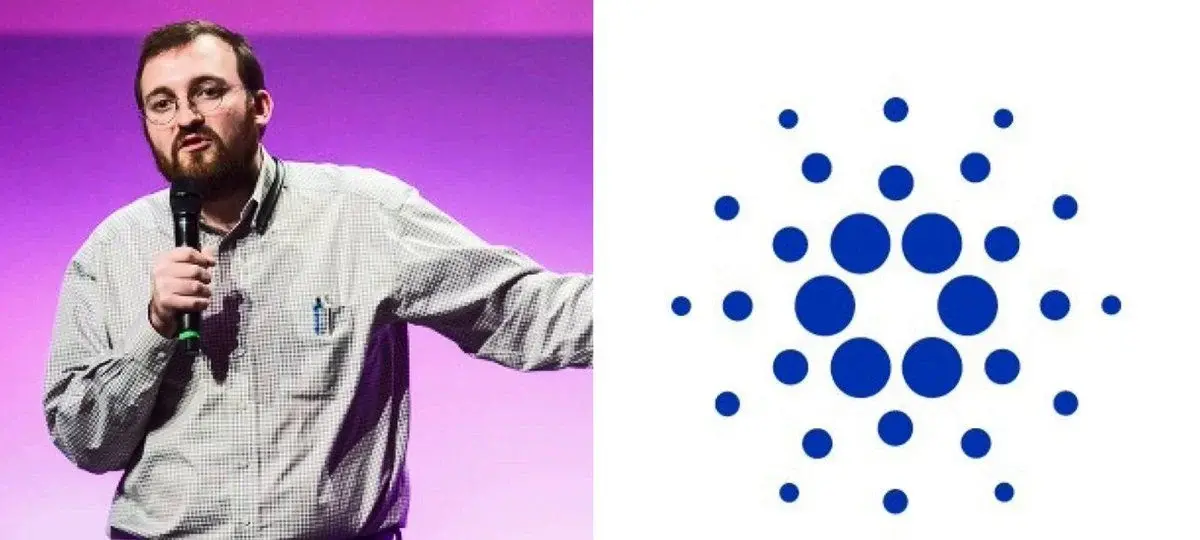
Cardano (@Cardano) founder Charles Hoskinson (@IOHK_Charles) has launched what may be one of the most ambitious governance studies in crypto history. He is reviewing governance models from more than 11,000 decentralized autonomous organizations, plus a decade of related academic and industry literature, all in an effort to fix how Cardano handles internal disputes.
What Hoskinson Is Looking For
The review zeroes in on three areas: executive functions, roadmap planning, and strategy setting, covering who gets to make decisions, how priorities are ranked, and what happens when people disagree about direction. The goal is to propose ideas to add new features to Cardano's $ADA governance via the constitution. Hoskinson has also said he is weighing whether to register as a Delegated Representative (DRep) himself and is considering hosting a mini-convention before the 2027 governance cycle to rally stakeholders behind constitutional reform.
He has stressed there is not much time, as an agreement must be reached before 2027. Details of the overhaul plan are yet to be disclosed, and it has not been decided whether it will take the form of a constitutional amendment or the introduction of new governance tools.
The Conflict Driving the Review
The initiative is unfolding against a backdrop of sharp tension inside the Cardano community. A governance dispute over an IOG treasury funding proposal is tracking toward rejection ahead of its June 8 deadline, with roughly 87% of DReps currently voting against the measure, which funds Cardano's 2026 research roadmap including quantum security and scaling architecture. Hoskinson has warned that IOG will not resubmit the proposal if it fails and that a rejection could force layoffs and shut some research labs.
As of late May 2026, Cardano is caught in an ideological conflict between its academic past and commercial future. The pragmatic wing of the community is demanding an end to broad scientific research budgets that bring no immediate market benefit, calling instead for focused funding for products ready for commercialization, including bridges, rollups, and privacy solutions.
Cardano's governance structure operates through a tripartite system. Under CIP-1694, governance consists of Delegated Representatives (DReps), a constitutional committee, and stake pool operators (SPOs). The ecosystem operates with hundreds of DReps, who function like elected representatives in a liquid democracy model, allowing token holders to delegate their voting power rather than voting on every proposal themselves. Cardano ratified its on-chain constitution in February 2025, with the vote clearing at an 85% approval rate, well above the 75% threshold required.
The review could shape how Cardano handles roadmaps, executive functions, budget control, and conflict between developers and voters. Whether it produces constitutional amendments, new tooling, or both, the 2027 deadline leaves little time to build consensus.
Sources:
crypto.news: Cardano governance fight grows as Hoskinson audits 11,000 DAOs
Crypto Briefing: Charles Hoskinson reviews governance models from 11,000 DAOs
BeInCrypto: Hoskinson Signals Governance Overhaul for Cardano Amid Internal Tensions
Latest News
Read More...
(Advertisement)
Author
 Soumen Datta
Soumen has been a crypto researcher since 2020 and holds a master’s in Physics. His writing and research has been published by publications such as CryptoSlate and DailyCoin, as well as BSCN. His areas of focus include Bitcoin, DeFi, and high-potential altcoins like Ethereum, Solana, XRP, and Chainlink. He combines analytical depth with journalistic clarity to deliver insights for both newcomers and seasoned crypto readers.