

EU moves to ban foreign crypto exchanges that help Russia

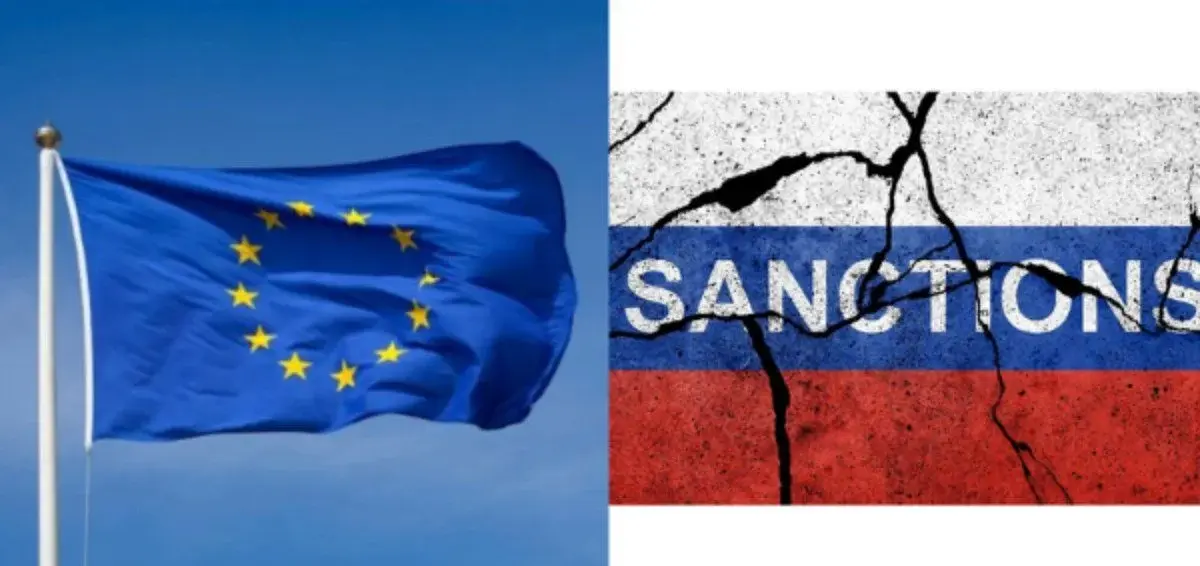
The EU's proposed 21st sanctions package would give Brussels the power to fully ban foreign crypto exchanges helping Russia evade sanctions, blacklist 11 crypto platforms, and hit 20 third-country financial firms, building on April's sweeping 20th package.
(Advertisement)

The European Union is escalating its effort to close Russia's crypto escape routes. The proposed 21st sanctions package, unveiled by European Commission President Ursula von der Leyen at a press conference in Brussels on June 9, would give Brussels a new and more powerful tool: the legal authority to impose a full operational ban on crypto-asset service providers in any third country found to be systematically helping Russia evade EU financial restrictions.
The move marks a clear shift in strategy. Rather than continuing to sanction individual platforms, Brussels would sanction an exchange, the exchange would collapse, and a successor would surface within weeks on the same servers. The 21st package is a bet that the only way to stop that cycle is to stop naming names altogether.
What the 21st Package Proposes
The new measures expand transaction bans to 20 crypto platforms and firms operating in third countries identified as helping sanctioned Russian entities circumvent existing restrictions. The Commission also aims to blacklist 11 specific crypto platforms outright. On the banking side, the proposed package introduces new financial restrictions, including transaction bans on an additional 31 Russian banks, as well as 20 banks, crypto firms, platforms, and oil traders in third countries accused of facilitating sanctions evasion.
European Commission President von der Leyen described the measure directly: "For the first time, we will introduce the possibility of a full third-country ban for crypto-asset services. It will act as a strong deterrent for the countries hosting platforms that help Russia evade our sanctions." The package must now be reviewed and unanimously approved by the Council of the European Union.
Building on April's 20th Package
The 21st package builds directly on the ground laid in April. The EU's 20th Russia sanctions package introduced a total sectoral ban on Russia-based crypto service providers and decentralized platforms. As part of that package, state-backed crypto instruments, the RUBx stablecoin and the digital ruble CBDC, were explicitly prohibited effective May 24.
Unlike previous packages, which targeted named entities, the 20th package banned the entire Russia-based crypto-asset service provider ecosystem, an explicit response to the failure of individual designations to prevent successor platforms from emerging. The seizure of Garantex in March 2025 led directly to Grinex, a near-identical platform registered in December 2024, with users migrating via the A7A5 stablecoin.
The 21st package takes that logic one step further by targeting the foreign jurisdictions hosting the workarounds, not just the Russian platforms themselves. This structural shift creates direct pressure on private crypto firms to actively lobby their host governments for tighter, transparent Russia-enforcement frameworks, or risk losing Western market access as collateral damage.
Sources:
CoinDesk: EU releases 20th sanctions package against Russia introducing specific crypto bans
Kyiv Independent: EU unveils 21st Russia sanctions package
Elliptic: EU 20th sanctions package targets the architecture of crypto sanctions evasion
(Advertisement)
Latest News





Read More...





Author
 Crypto Rich
Rich has been researching cryptocurrency and blockchain technology for eight years and has served as a senior analyst at BSCN since its founding in 2020. He focuses on fundamental analysis of early-stage crypto projects and tokens and has published in-depth research reports on over 200 emerging protocols. Rich also writes about broader technology and scientific trends and maintains active involvement in the crypto community through X/Twitter Spaces, and leading industry events.