

David Schwartz Floats XRP Staking Model

Ripple's former CTO David Schwartz outlined a hypothetical XRP staking structure aimed at reducing IRS tax burdens, arguing that newly minted staking rewards should be treated differently from existing value transfers.
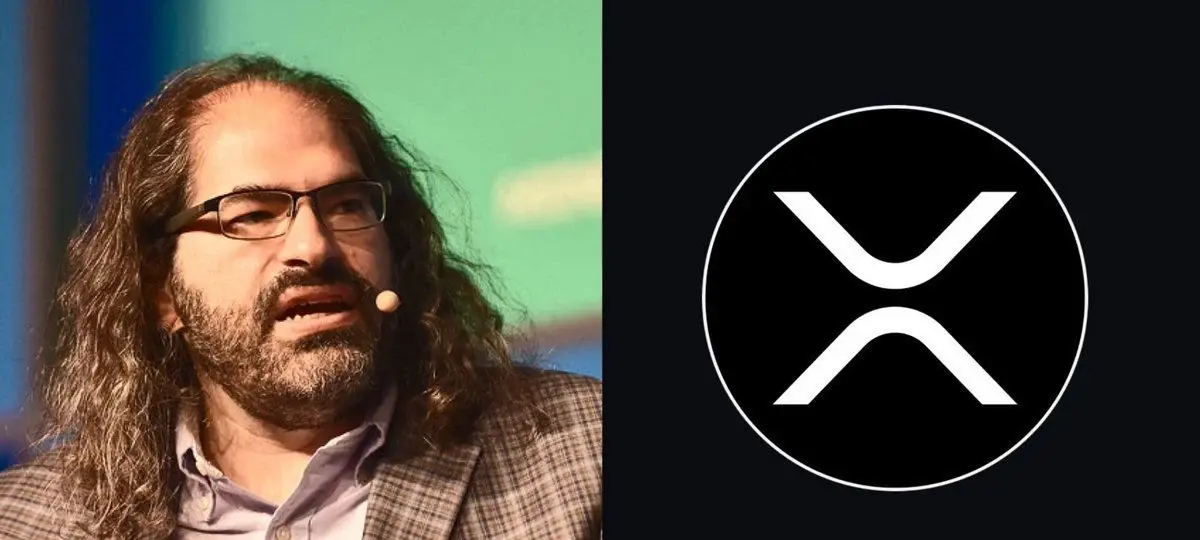
Ripple's former chief technology officer David Schwartz (@JoelKatz) has outlined a hypothetical $XRP staking model designed to reduce potential tax liabilities for holders under existing IRS rules.
Creation vs. Transfer: The Core of Schwartz's Argument
Schwartz drew a clear distinction between two types of value in the staking debate. He argued that the creation of new value and the transfer of existing value are fundamentally different things, with staking representing the former and interest income representing the latter. In other words, staking rewards are newly minted tokens generated by participating in a network, not payments redistributed from an existing pool of assets. Schwartz countered arguments comparing staking to interest or dividends, noting that interest or dividends involve existing value, whereas staking generates entirely new tokens, making it a fundamentally different process.
Under his proposed framework, taxation should hinge on whether staking rewards already existed before being distributed, or whether they are newly created through the staking process itself. He argued that taxing newly minted rewards before a sale could amount to regulatory overreach.
IRS Rules and the Broader Debate
Schwartz's comments land in a live regulatory debate. IRS guidance released in 2023 states that block rewards from staking or mining are considered taxable income as soon as they are created, with tax liabilities determined by their market value at the time of creation. That position has drawn criticism from parts of the crypto industry, and Schwartz's framing adds a prominent voice to calls for a more nuanced approach.
The IRS ruling highlights the difficulty of fitting blockchain-based activities into existing tax frameworks, a problem Ripple has consistently pushed regulators to address. Current IRS guidance states that if a taxpayer stakes cryptocurrency native to a proof-of-stake blockchain and receives additional units as validation rewards, the fair market value of those rewards is included in gross income in the tax year in which the taxpayer gains dominion and control over them.
The debate is becoming more pressing as crypto tax enforcement tightens. Starting in 2026, brokers must report basis on certain digital asset transactions, with Bitcoin, Ethereum, and XRP trades on custodial platforms automatically reported through Form 1099-DA. That expanded reporting infrastructure increases IRS visibility into staking activity, raising the stakes for how rewards are ultimately classified.
Whether Schwartz's model gains regulatory traction remains to be seen, but it reflects a broader industry push to distinguish between blockchain-native value creation and more traditional forms of income.
Sources:
Coinpedia: Ripple CTO David Schwartz Shares Insights on Crypto Staking Amid Tax Debate
IRS: Digital Assets Tax Guidance
Analytics Insight: IRS Rule Changes in 2026 for Bitcoin, Ethereum, and XRP Traders
Latest News





Read More...




(Advertisement)
Author
 Soumen Datta
Soumen has been a crypto researcher since 2020 and holds a master’s in Physics. His writing and research has been published by publications such as CryptoSlate and DailyCoin, as well as BSCN. His areas of focus include Bitcoin, DeFi, and high-potential altcoins like Ethereum, Solana, XRP, and Chainlink. He combines analytical depth with journalistic clarity to deliver insights for both newcomers and seasoned crypto readers.