SPONSORED CONTENT
Paid press release. BSCN does not endorse this content.
(Advertisement)


The Rise of AI Powered Signals Inside Forex and Gold Trading Apps

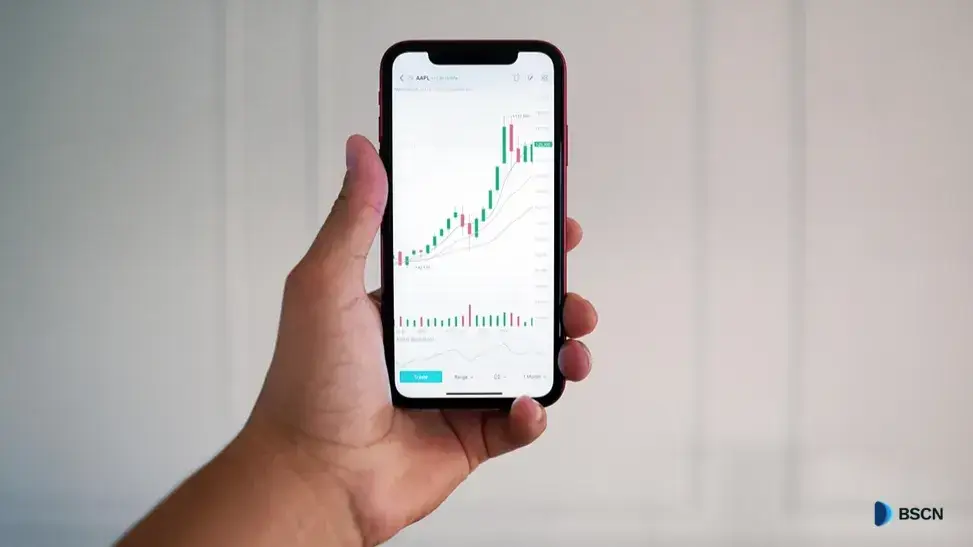
AI-driven signal tools are reshaping how Thailand’s traders analyse forex and gold markets, offering structured alerts, local context, and clearer decision support.

BSCN
December 4, 2025

(Advertisement)
Thailand’s traders are shifting from desktop charts to phones. Faster networks, clearer rules, and better education have turned the mobile screen into the primary place to plan, execute, and review. Inside that screen a quiet change is underway. Signal engines now blend statistics, pattern recognition, and language models to guide entries and exits on currency and gold pairs. The tools are not magic. They are decision aids that compress research time and bring structure to busy trading days.
For many participants in Bangkok, Chiang Mai, and Khon Kaen the first step is picking a reliable forex trading app with clean charts and stable order flow. From there the focus turns to what the signal layer can add. Traders want timely alerts, risk guidance, and context about news that moves USDTHB and XAUUSD. They also want transparency about how a signal is built and how it performed in prior markets.
Why AI Signals Matter for Thai Traders
AI models can scan dozens of pairs and metals at once. They score trend strength, breakout probability, and volatility regimes. That saves time for traders who split hours between work and family. Instead of flipping through many charts, you receive a shortlist that matches your rules for trend, range, or mean reversion. The system flags the level. You decide if the setup passes your risk filter.
Local context also matters. Thailand sits between Asian and European sessions. Asia morning often sets a range. London tests the edges. New York confirms or fades the move. AI that learns these clock based patterns can avoid thin periods and focus alerts on higher quality windows. That reduces false starts and keeps attention on the hours that usually deliver follow through.
How These Signal Engines Work
Modern engines combine three layers. First is data preprocessing that standardises ticks, filters outliers, and aligns timeframes. Second is feature building using price swings, moving averages, volume proxies, and volatility bands. Third is the model that scores each setup. Some use gradient boosting. Others add neural networks and a language layer that reads calendar notes and policy headlines.
The output is a probability and a plan. A strong signal may read like this. Buy on a retest of a level that held on the hour chart. Stop goes below the invalidation swing. First target sits at the prior session high. Good tools also display a caution label when spreads widen or when a data release is near. That label is as valuable as the entry itself.
Gold Signals Through a Thai Lens
Gold holds a special place in Thailand. Domestic prices reflect global spot and the baht. AI can track both legs together. If the dollar weakens and USDTHB softens, the engine can raise conviction on a long in local terms even if global spot is flat. If the dollar firms and the baht strengthens, the same engine can warn that local quotes may lag any global bounce.
Signals gain power when they align with a simple macro map. The model watches US yields, risk tone, and energy prices. You only take trades when the micro setup fits the macro backdrop. Over time this alignment reduces noise and improves the win rate without expanding risk per trade.
A One Page Mobile Checklist for Thai Users
1) Session fit:
Does the alert land near London open or early New York when liquidity improves
2) Level quality:
Is the proposed entry at a prior day level or weekly reference
3) Spread and slip:
Is current spread inside your maximum and are conditions stable
4) Risk rule:
Does the plan place the stop beyond a clear invalidation point
5) News filter:
Is a high impact event due in the next thirty minutes
6) Review tag:
Will you screenshot and score this trade for weekly learning
Risk, Sizing, and Human Control
AI helps you find potential trades but it does not carry your losses. Keep a fixed fraction of equity at risk per idea. Set a daily cap. When the cap hits, stop for the day. In uncertain minutes, reduce size and let the level confirm with a candle close. If a signal prints during a thin minute in Asia midday, ignore it or delay until liquidity returns. Survival is the edge that funds every lesson you will learn.
For Thai conditions, place stops and take profits at the server so your orders remain active during brief disconnects. Test mobile and desktop with the same account to make sure you can manage trades if power or weather interrupts the main connection. Reliable execution turns a good signal into a clean result.
Data Privacy and Transparency
Mobile traders care where data goes. Choose apps that explain what they collect and how they store it. Signals do not need personal details to work. They need price history and calendar inputs. Read the privacy page. If the provider explains retention, encryption, and permission controls in plain language, that is a positive sign.
Transparency extends to backtests. Good tools show sample size, drawdowns, and how the model handled regime changes. Be wary of perfect curves. Markets breathe. A realistic equity line with shallow dips is healthier than a sharp climb that later collapses.
From Alerts to a Personal Playbook
Turn each alert into a structured decision. Does the setup fit trend or range today. Is the level clean. Is spread acceptable. Do you have energy to manage it well. Say yes only when all answers are clear. This habit reduces impulsive trades and keeps focus on high quality conditions. Over a month you will see that fewer but better entries lift the equity curve.
Use tags for learning. Label each trade by setup type, session, and instrument. Note whether the signal came from pattern strength or from a news based classifier. After twenty trades you can drop the weakest tag and double down on the strongest. Small deletions often improve results more than any new feature.
What to Expect Next
Signal engines will keep evolving. Expect better calendar parsing in Thai and English, more precise detection of liquidity pockets, and smoother integration between alerts and order tickets. Expect models that learn your style and adjust suggestions to your risk tolerance. The goal is not more trades. The goal is fewer decisions with higher clarity and lower friction.
Conclusion
AI powered signals are changing how Thailand trades currencies and gold. They compress research time, direct attention to better hours, and put structure around entries and exits. They do not replace discipline. They support it. Pick a stable mobile platform, enforce strict risk rules, and treat every alert as a prompt to run your checklist. With that approach, the phone in your hand becomes a focused workspace where preparation beats prediction and consistency grows one decision at a time.
Read Next...

Disclaimer
Author
 BSCN
BSCNBSCN's dedicated writing team brings over 41 years of combined experience in cryptocurrency research and analysis. Our writers hold diverse academic qualifications spanning Physics, Mathematics, and Philosophy from leading institutions including Oxford and Cambridge. While united by their passion for cryptocurrency and blockchain technology, the team's professional backgrounds are equally diverse, including former venture capital investors, startup founders, and active traders.
(Advertisement)
Latest News
July 15, 2026
REAL Joins Blockchain for Europe to Shape EU Tokenisation Rules
July 15, 2026

Which Crypto Companies and Protocols Make The Most Money?
July 15, 2026

How SBI Built Japan's Largest Crypto Business
July 15, 2026

Elon Musk And Dogecoin: How One Man Shaped A Memecoin’s Price And Reputation
July 15, 2026
DTCC Tokenization Platform: How Does Wall Street's Blockchain Pilot Actually Work?
July 14, 2026

Report: Cardano's Biggest Updates from H1 2026
July 14, 2026
What is an XDC Network Masternode Validator?
July 13, 2026

Telebiz Goes Live With an Open-Source CRM Built Directly Into Telegram
(Advertisement)

Crypto Project & Token Reviews
Project & Token Reviews
Comprehensive reviews of crypto's most interesting projects and assets
Learn about the hottest projects & tokens

Latest Crypto Articles
Get up to date with the latest crypto news stories and events