

Iran And US Move Toward Ceasefire Extension

The US and Iran are close to a 60-day ceasefire extension that would reopen the Strait of Hormuz and resume nuclear talks. Bitcoin (BTC) trades near $73,200 as markets watch for Trump's approval.
A Framework Takes Shape, But No Deal Is Signed
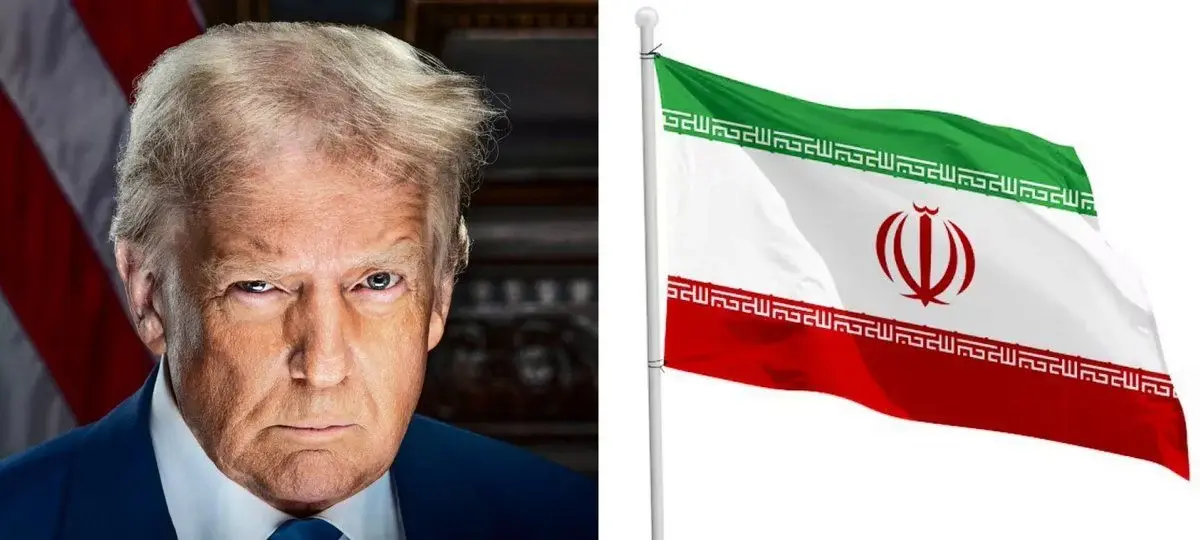
Negotiators for the United States and Iran appear to have made significant progress toward a new truce. Four sources familiar with the matter told Reuters that negotiators had reached an agreement that would extend the current ceasefire by 60 days and restore unrestricted shipping through the Strait of Hormuz, which has effectively been closed since the conflict began on February 28.
According to a US official, the agreement involves a 60-day ceasefire extension during which the Strait of Hormuz would be reopened, Iran would be able to freely sell oil, and negotiations would be held on curbing Iran's nuclear program. As part of the arrangement, the Strait of Hormuz would be open with no tolls, and Iran would agree to clear the mines it deployed in the strait to let ships pass freely. In exchange, the US would lift its blockade on Iranian ports and issue some sanctions waivers to allow Iran to sell oil freely.
The Strait of Hormuz is a critical chokepoint through which roughly a fifth of the world's oil and liquefied natural gas supply typically passes. Daily crossings through the strait have dropped sharply since the first US-Israeli strikes on Iran on February 28.
US President Donald Trump has not yet approved the deal, and Iranian state media said the text had not been finalised. It remains unclear whether it will lead to a lasting peace agreement that also addresses Trump's nuclear demands. Vice President JD Vance offered a cautious read on the state of play, telling reporters: "We're not there yet, but we're very close, and we're going to keep on working at it."
Bitcoin Holds Near $73,200 as Markets Watch Closely
Despite the diplomatic activity, $BTC has not been immune to the surrounding turbulence. Bitcoin fell below $73,000 to its lowest level since April 13 as renewed fighting between the US and Iran rattled global markets, pushing oil higher and dimming hopes for a permanent ceasefire. Odds of a permanent ceasefire being reached by the end of the month fell to just 8% on Polymarket, down from a 70% peak over the weekend.
The broader crypto market has also felt the pressure. Outflows from US spot Bitcoin ETFs exceeded $733 million on May 28, depleting buying power. In the short term, the market remains sensitive to geopolitical developments and institutional flows, keeping Bitcoin in consolidation.
Analysts note that a deal reopening the Strait of Hormuz would be bullish for Bitcoin and other cryptocurrencies, as lower crude oil prices would ease inflation and reduce the probability of Federal Reserve rate hikes. For now, both the diplomatic process and the price of $BTC remain in a holding pattern, awaiting a definitive signal from Washington.
Sources:
Axios: What's inside the Iran deal Trump is close to signing
Washington Post: US and Iran work toward deal to extend ceasefire and reopen Strait of Hormuz
The Block: JPMorgan says bitcoin and gold ETF outflows point to cooling debasement trade
Latest News




Read More...





(Advertisement)
Author
 Soumen Datta
Soumen has been a crypto researcher since 2020 and holds a master’s in Physics. His writing and research has been published by publications such as CryptoSlate and DailyCoin, as well as BSCN. His areas of focus include Bitcoin, DeFi, and high-potential altcoins like Ethereum, Solana, XRP, and Chainlink. He combines analytical depth with journalistic clarity to deliver insights for both newcomers and seasoned crypto readers.