

No Nuclear Weapon For Iran

The White House says the US and China have agreed Iran can never acquire a nuclear weapon, as the Trump-Xi summit in Beijing produces commitments on the Strait of Hormuz and American energy exports.
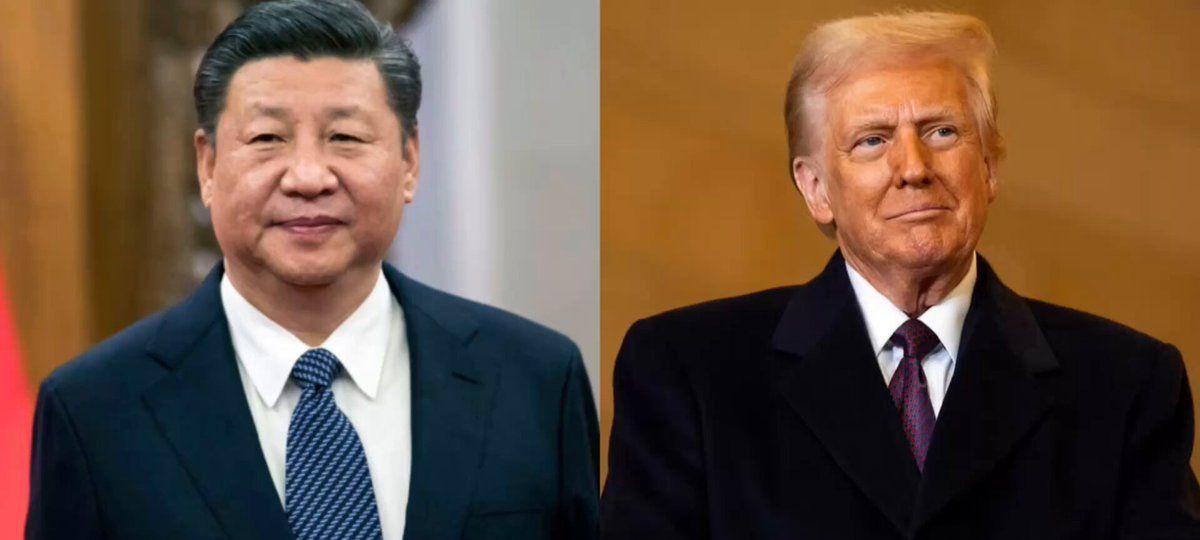
Washington and Beijing Align on Iran's Nuclear Future
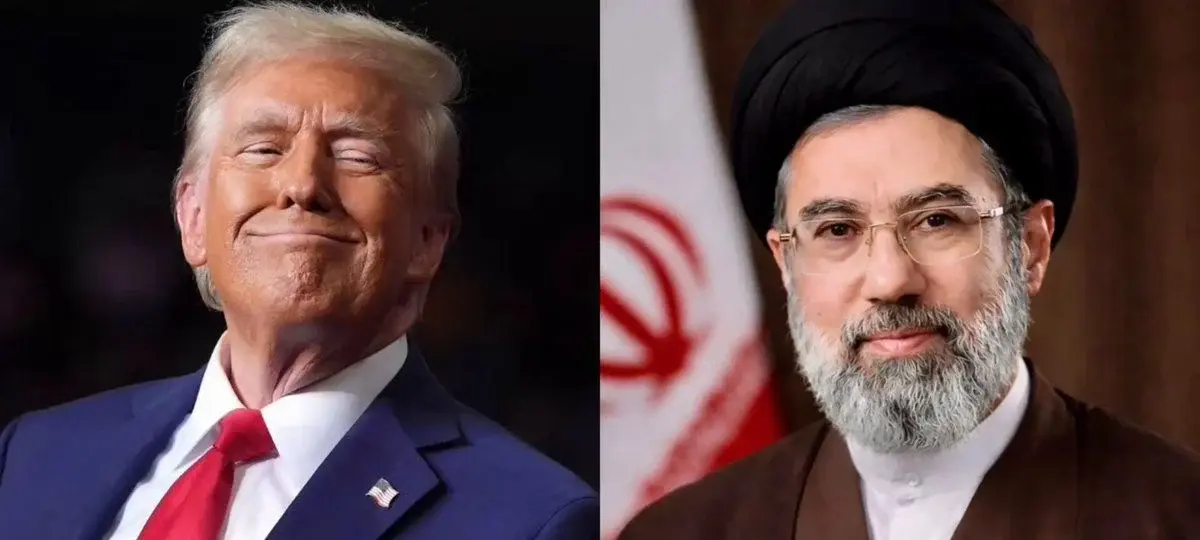
The White House has stated that the United States and China have agreed that Iran can never be allowed to acquire a nuclear weapon, marking one of the most significant alignments to emerge from the high-stakes summit between President Donald Trump and Chinese President Xi Jinping in Beijing.
The talks, held on May 14 and 15, come against the backdrop of a deepening regional conflict. Shipping traffic through the Strait of Hormuz has been largely blocked by Iran since February 28, 2026, when the United States and Israel launched an air war against Iran. The closure has sent global energy markets into turmoil. The International Energy Agency has called it the "largest supply disruption in the history of the global oil market," with Brent crude surging roughly 65% since the conflict began, recently trading above $113 per barrel.
Iran's nuclear program sits at the core of ongoing peace negotiations. Under a proposed memorandum of understanding being discussed between Washington and Tehran, Iran would have to commit to never seeking a nuclear weapon. The US wants assurances that Iran will end its nuclear program as part of any peace deal. Iran has reportedly agreed to suspend enriching uranium, but for a shorter period than the 20-year moratorium proposed by the US, and has rejected dismantling its nuclear facilities.
Hormuz Corridor and the Push for American Energy
Beyond the nuclear question, the Beijing summit produced a shared position on the Strait of Hormuz. Senior US and Chinese officials agreed that no country can be allowed to exact shipping tolls in the Strait of Hormuz, according to the State Department. Tehran had demanded the right to collect tolls on shipping traffic as a precondition for ending the war. Both Washington and Beijing now oppose that position, with the White House stating that the summit mandates the Strait remain an open, non-militarized energy corridor free of transit charges.
The stakes for China are significant. China receives 37.7% of all oil exports that pass through the Strait of Hormuz, more than any other country. China's energy security remains dependent on maritime transit routes, particularly through the Strait of Hormuz, and the disruption of traffic through Hormuz has transformed a long-recognized strategic risk into an immediate constraint.
On energy trade, China has explicitly committed to purchasing more American oil to reduce its strategic dependence on Middle Eastern supply routes. At Trump and Xi's last face-to-face meeting in October 2025 in South Korea, China agreed to begin purchasing American energy. Those discussions stalled as the Iran war broke out, but with Beijing's Middle East supply lines disrupted, resuming US LNG and crude purchases has returned to the agenda. US officials say China is expected to announce purchases related to Boeing aircraft, American agriculture, and energy at this summit.
Analysts caution that agreements reached at the summit will need to translate into concrete action. The base case, according to Ben Emons of Fed Watch Advisors, is a "managed detente with potentially thin deliverables," likely amounting to vague joint language on de-escalation and keeping oil flowing.
Sources:
Marine Link: China and US Agree on Opposing Hormuz Tolls, State Department Says
OilPrice.com: Trump-Xi Talks Set to Tackle Iran Oil Lifeline, Strait of Hormuz and US Energy Deals
UK House of Commons Library: US-Iran Ceasefire and Nuclear Talks in 2026
Latest News

Read More...

(Advertisement)
Author
 UC Hope
UC holds a bachelor’s degree in Physics and has been a crypto researcher since 2020. UC was a professional writer before entering the cryptocurrency industry, but was drawn to blockchain technology by its high potential. UC has written for the likes of Cryptopolitan, as well as BSCN. He has a wide area of expertise, covering centralized and decentralized finance, as well as altcoins.