

David Schwartz Proposes Fix For XRPL Front Running

Ripple CTO Emeritus David Schwartz has proposed a transaction reservation system for the XRP Ledger to eliminate front-running and sandwich attacks before they become a serious problem.
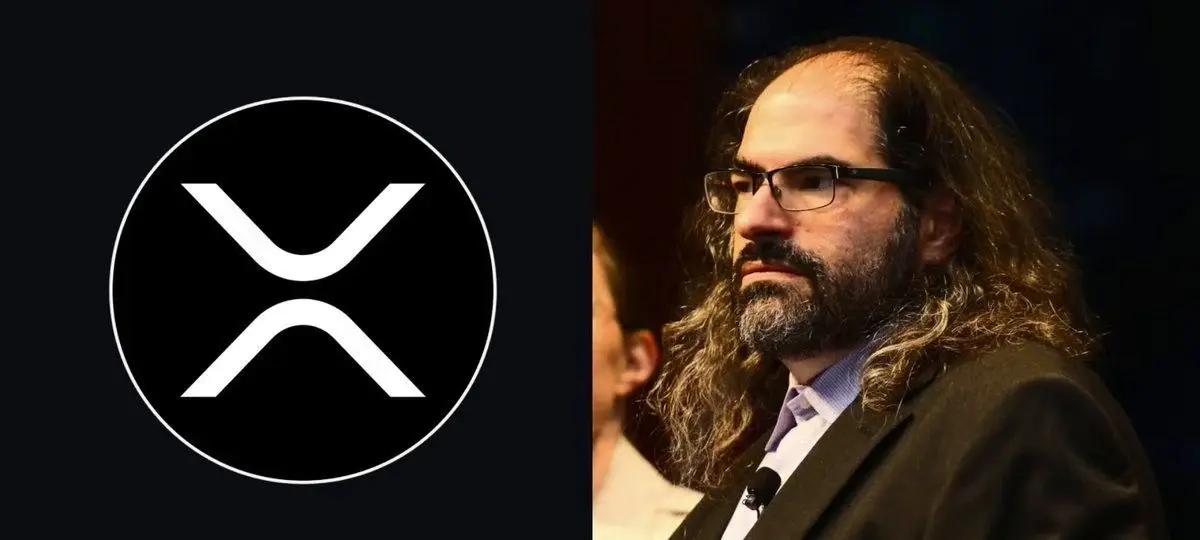
Ripple CTO Emeritus David Schwartz (@JoelKatz) has put forward a new proposal to eliminate front-running and sandwich attacks on the XRP Ledger ($XRP), introducing what he calls a "transaction reservation" system that would let users secure execution slots before any competing transaction can cut in line.
What Are Sandwich Attacks and Why Do They Matter?
Front-running and sandwich attacks are a well-documented problem across decentralized exchanges. In a sandwich attack, a malicious trader exploits a trade that a user starts on a decentralized exchange by placing one order right before the user's transaction and one right after, effectively sandwiching it. The result is that the victim's trade executes at a worse price, with the attacker pocketing the difference.
The XRPL AMM DEX already leverages pseudo-random transaction ordering, which significantly reduces the risk of front-running attacks. While this does not make it immune, as sandwich attacks remain a threat, it is a substantial defensive boost that could reduce price slippage. Schwartz's new proposal appears designed to close that remaining gap.
A Proactive Fix, Not a Crisis Response
Schwartz has been clear that this is not a fire-alarm moment. According to the original post, he says he is "not that concerned" about the current risk level on XRPL, framing the proposal as a clean, proactive solution rather than a response to an active threat.
The transaction reservation mechanism would allow users to lock in an execution slot before any competing transaction can intervene, directly addressing the sequencing vulnerability that makes front-running possible in the first place. By reserving a position in the transaction queue ahead of time, traders would be insulated from bots that monitor pending activity and attempt to jump the queue.
Schwartz co-designed the XRP Ledger in 2011 and served as Ripple's CTO through every legal and product chapter since, stepping back from daily operations at the end of 2025 to become CTO Emeritus and a board member. The reason traders and developers still parse every Schwartz post is that nobody else inside Ripple speaks publicly with the same mix of technical authority and unvarnished opinion.
The proposal arrives as XRPL continues to expand its DeFi footprint. A native lending protocol is being rolled out under XLS-66 as part of XRPL Version 3.0.0, enabling fixed-term institutional loans with isolated vaults and automated repayments. As the ledger attracts more liquidity and more complex financial activity, hardening its DEX against predatory trading strategies becomes increasingly relevant.
No formal amendment or implementation timeline has been announced. As with all XRPL protocol changes, any adoption would require a supermajority of validators before going live on mainnet.
Sources:
AMM-based DEX on the XRP Ledger, arXiv
What are sandwich attacks in crypto, Coinbase
Who Is David Schwartz, Phemex Academy
Latest News





Read More...






(Advertisement)
Author
 Soumen Datta
Soumen has been a crypto researcher since 2020 and holds a master’s in Physics. His writing and research has been published by publications such as CryptoSlate and DailyCoin, as well as BSCN. His areas of focus include Bitcoin, DeFi, and high-potential altcoins like Ethereum, Solana, XRP, and Chainlink. He combines analytical depth with journalistic clarity to deliver insights for both newcomers and seasoned crypto readers.