

The IEA told markets the oil shortage will outlast the war.

Brent crude hit $108 on Friday with an 8% weekly gain as Strait of Hormuz talks stalled. The IEA warns the global oil market could stay undersupplied through October even if a deal is struck soon.
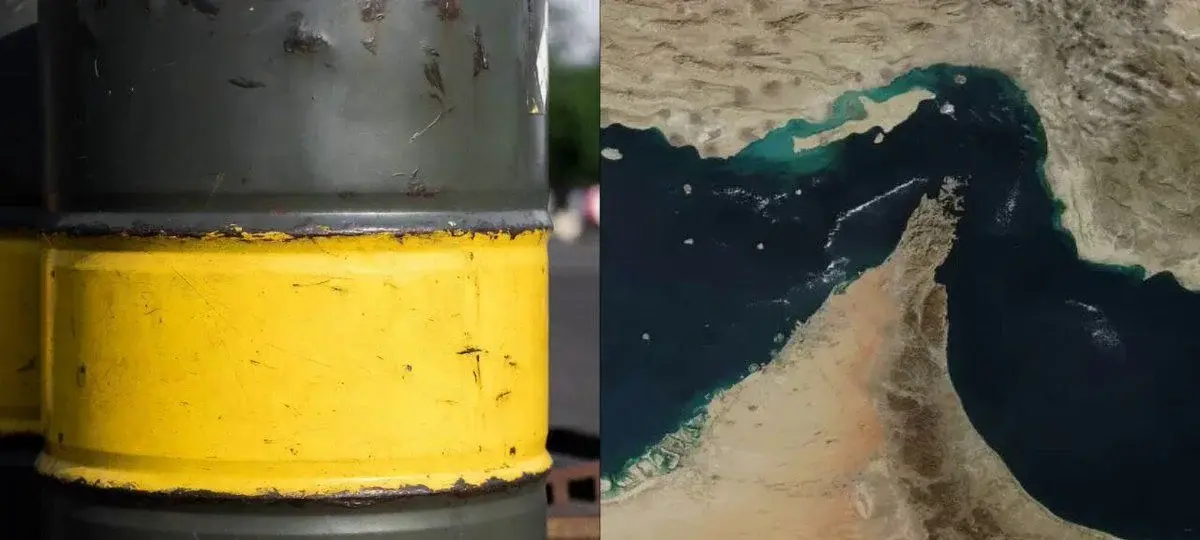
Brent Climbs to $108 as Hormuz Talks Collapse
Brent crude futures settled at $108 on Friday and posted a weekly gain of around 8%, driven by deepening concern that the Strait of Hormuz will remain effectively closed for the foreseeable future. The US and Iran failed to agree on a US-drafted proposal earlier this week, leaving the key waterway largely closed. Saudi Aramco CEO Amin Nasser said on 11 May that over 600 tankers are stuck inside the Persian Gulf, with another 240 waiting outside on the other side of the strait. Only a small number of vessels have managed to leave the region since the conflict began.
The conflict has caused the restriction of nearly all traffic through the Strait, leading to what the IEA has characterised as the "largest supply disruption in the history of the global oil market." The head of the IEA has described the situation as the "greatest global energy security challenge in history." Iran's closure of the Strait has disrupted roughly 20% of global oil supplies, along with significant liquefied natural gas volumes.
IEA: Deficit Likely to Outlast Any Near-Term Deal
The IEA reported that crude and fuel flows through the Strait fell by around 4 million barrels per day in March and April, warning that the global oil market could remain materially undersupplied through October even if the conflict is resolved next month. The agency's May 2026 Oil Market Report reinforces that concern. While demand may swing back to growth towards the end of the year if a deal allows flows to gradually resume, supply will likely be slower to recover, meaning the oil market remains in deficit until the final quarter of the year.
Global oil supply declined by a further 1.8 mb/d in April to 95.1 mb/d, taking total losses since February to 12.8 mb/d, with Gulf output running 14.4 mb/d below pre-war levels. Even if a lasting deal to reopen the Strait emerges, analysts say it could take months for oil shipments to return to normal levels, given backed-up tanker traffic, shipowners' concerns about another sudden escalation, and energy infrastructure damaged during the war.
"We are facing the biggest energy security threat in history," IEA Executive Director Fatih Birol told CNBC. The IEA has stated that resuming flows through the Strait of Hormuz remains the single most important variable in easing pressure on energy supplies, prices, and the global economy.
Sources:
IEA Oil Market Report, May 2026
CNBC: IEA Chief on Global Energy Security Threat
PBS NewsHour: Oil Prices and the Strait of Hormuz Standoff
Latest News





Read More...




(Advertisement)
Author
 Ben Antes
Ben is the Financial Manager at BSCN and one of the four founding team members. Holding a Master of Business Administration (MBA), he combines a strong foundation in finance and business strategy with a deep passion for decentralized finance. A self-proclaimed yield farming "guru," Ben spends his time researching the latest DeFi projects, dissecting tokenomics, and exploring emerging opportunities across the crypto landscape — bridging traditional financial expertise with the fast-moving world of Web3.