

El Salvador's Bitcoin reserve heads into an election

El Salvador holds roughly 7,730 $BTC worth around $502 million as the country approaches a February 2027 presidential election. With opposition parties silent on crypto policy and President Nayib Bukele polling above 80%, the reserve's future hangs on political continuity and an unresolved dispute with the IMF.
(Advertisement)

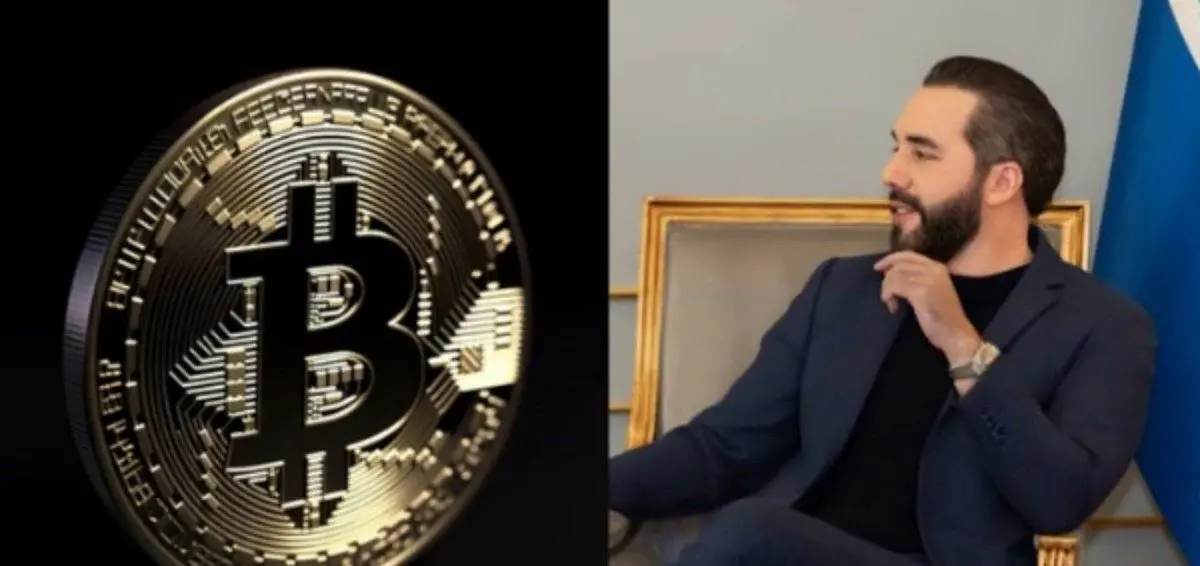
El Salvador is heading into a presidential election with roughly 7,730 $BTC on its government tracker, worth approximately $502 million at current prices. The vote, scheduled for February 2027, will determine whether @nayibbukele's Bitcoin strategy survives its first serious political test.
An Opposition with No Bitcoin Policy
Two of the country's main opposition parties have now confirmed their tickets. ARENA has fielded former lawmaker Maytee Iraheta alongside Verónica Henríquez, making it the party's first all-female presidential ticket. The FMLN has put forward physician and union leader Rafael Aguirre with Madai Santos as his running mate. Neither party has published a position on Bitcoin or the existing reserve.
The political arithmetic, however, strongly favours continuity. ARENA currently holds just two of 84 legislative seats, while the FMLN has held none since 2024. Bukele, who was nominated this month for a term running to 2033, polls above 80%. The National Bitcoin Office continues stacking roughly one $BTC per day as the country's opposition lines up challengers for the February 2027 vote.
The IMF Dispute Over the Stack
Whether El Salvador's reserve is genuinely growing is a contested question. The IMF's explanation, confirmed by spokesperson Julie Kozack, is that increases in the Strategic Bitcoin Reserve Fund reflect consolidation of $BTC across various government-owned wallets, notably from a BANDESAL cold-storage address, rather than net new market purchases by the public sector. The total $BTC controlled across all government wallets, the IMF says, has remained unchanged.
Under the $1.4 billion loan arrangement, the IMF imposed a continuous quantitative performance criteria prohibiting new Bitcoin acquisitions by public sector entities, maintaining what the organisation described as a "ceiling of zero" throughout the 40-month program period. Following the IMF loan agreement, the government also removed the legal requirement for businesses to accept Bitcoin, effectively restoring the US dollar as the country's sole mandatory currency for everyday transactions.
The reserve's headline number may carry more political weight than its accounting can cleanly support. But with Bukele dominant at the polls and the opposition yet to stake out any crypto position, a change in direction before 2027 looks unlikely.
Sources
CryptoNews: El Salvador Bitcoin Reserve Faces IMF Scrutiny
Decrypt: El Salvador Is Buying Bitcoin Despite IMF Compliance
EdaFace: El Salvador Bitcoin Strategy Faces 2027 Election Test
(Advertisement)
Latest News



Read More...

Author
 Crypto Rich
Rich has been researching cryptocurrency and blockchain technology for eight years and has served as a senior analyst at BSCN since its founding in 2020. He focuses on fundamental analysis of early-stage crypto projects and tokens and has published in-depth research reports on over 200 emerging protocols. Rich also writes about broader technology and scientific trends and maintains active involvement in the crypto community through X/Twitter Spaces, and leading industry events.