

Saudi Aramco Ceo Warns Hormuz Damage Bleeds Into 2027

Saudi Aramco CEO Amin Nasser warned on the company's Q1 2026 earnings call that oil markets may not normalize until 2027 if the Strait of Hormuz closure extends beyond mid-June, framing the disruption as structural rather than temporary.
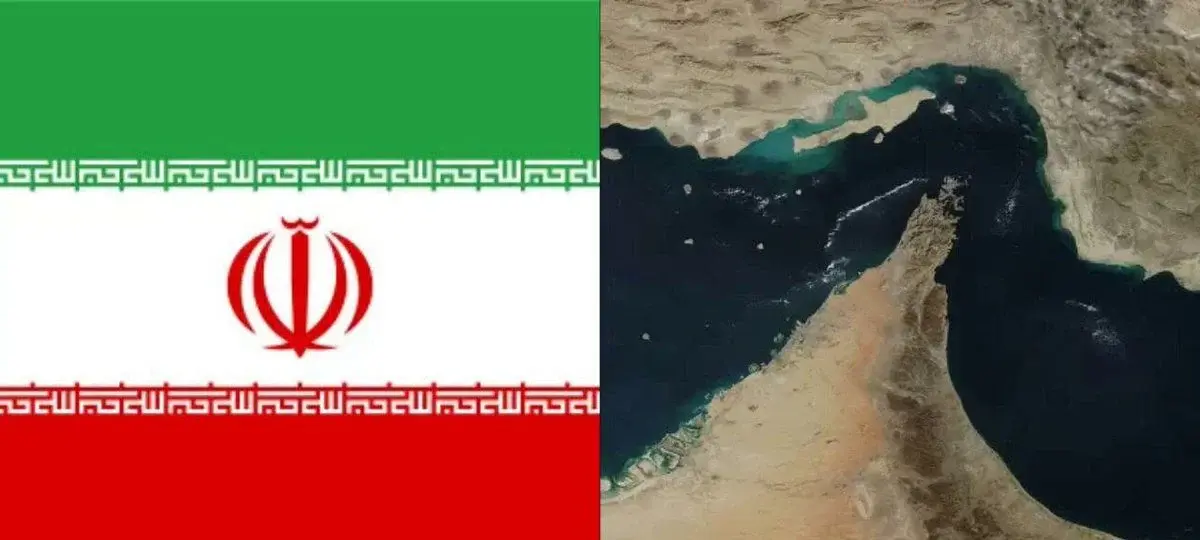
Saudi Aramco CEO Amin Nasser issued one of the starkest warnings yet about the state of global energy supply, telling analysts on the company's Q1 2026 earnings call that the oil market may not fully normalize until 2027 if disruptions to the Strait of Hormuz extend beyond mid-June.
A Structural Shock, Not a Temporary Spike
"If trade flows resume immediately or today through the Strait of Hormuz, it will take a few months for the oil market to rebalance," Nasser said, adding that if trade and shipping remain curtailed beyond a few more weeks, "we anticipate the supply disruption to persist, and the market to normalize only in 2027." The framing is deliberate: this is not a warning about a price spike. It is a statement that the world's largest oil company believes the structural damage to supply chains may take the better part of two years to fully repair, even under an optimistic reopening scenario.
Nasser said the global energy market has lost about 1 billion barrels of oil supply during the crisis, though efforts to reroute shipments and releases from strategic petroleum reserves have eased some of the pressure. He was direct about what reopening the strait would actually mean in practice: when an analyst asked whether the rebalancing timeline accounted for mine-clearing in addition to logistics, Nasser confirmed he was speaking purely about logistics, noting that mine clearance would add further time on top.
Iranian authorities effectively blocked the vital waterway in response to US-Israel attacks on Iran that began on February 28, sending energy prices surging and stoking fears of spiraling inflation and a looming economic downturn. Oil prices climbed sharply during the quarter, rising from the mid-$60 range in early February to above $100 per barrel by March.
Strong Earnings Despite the Disruption
The warning came alongside a set of results that showed Aramco navigating the crisis better than most. The company reported a 26% year-on-year jump in first-quarter profits, beating analyst forecasts, as a key pipeline allowing it to circumvent the choked-off strait reached full capacity. Adjusted net income stood at $33.6 billion, compared with $26.6 billion in the same period last year.
"Our East-West Pipeline, which reached its maximum capacity of 7.0 million barrels of oil per day, has proven itself to be a critical supply artery, helping to mitigate the impact of a global energy shock and providing relief to customers affected by shipping constraints in the Strait of Hormuz," Nasser said. The pipeline connects Gulf production facilities to Red Sea export terminals, bypassing Hormuz entirely.
"If and when normal trade and shipping resume, we anticipate a very robust return to demand growth significantly higher than the initial estimate for growth in 2026," Nasser added. For now, however, the world's largest oil producer is pricing in a multi-quarter supply shock with no clear resolution in sight. US-Iran talks have failed to produce a lasting deal following a truce last month, with President Trump rejecting Tehran's latest response as "totally unacceptable."
Sources:
Saudi Aramco Q1 profit jumps 26% as key pipeline reaches capacity — CNBC
Ongoing Strait of Hormuz Disruption Could Drag Oil Market Recovery into 2027, Aramco CEO Says — Asharq Al-Awsat
Aramco CEO sends stark message on Strait of Hormuz and oil — TheStreet
Latest News



Read More...




(Advertisement)
Author
 Jon Wang
Jon studied Philosophy at the University of Cambridge and has been researching cryptocurrency full-time since 2019. He started his career managing channels and creating content for Coin Bureau, before transitioning to investment research for venture capital funds, specializing in early-stage crypto investments. Jon has served on the committee for the Blockchain Society at the University of Cambridge and has studied nearly all areas of the blockchain industry, from early stage investments and altcoins, through to the macroeconomic factors influencing the sector.