

Vietnam Opens Door To Crypto Backed Loans

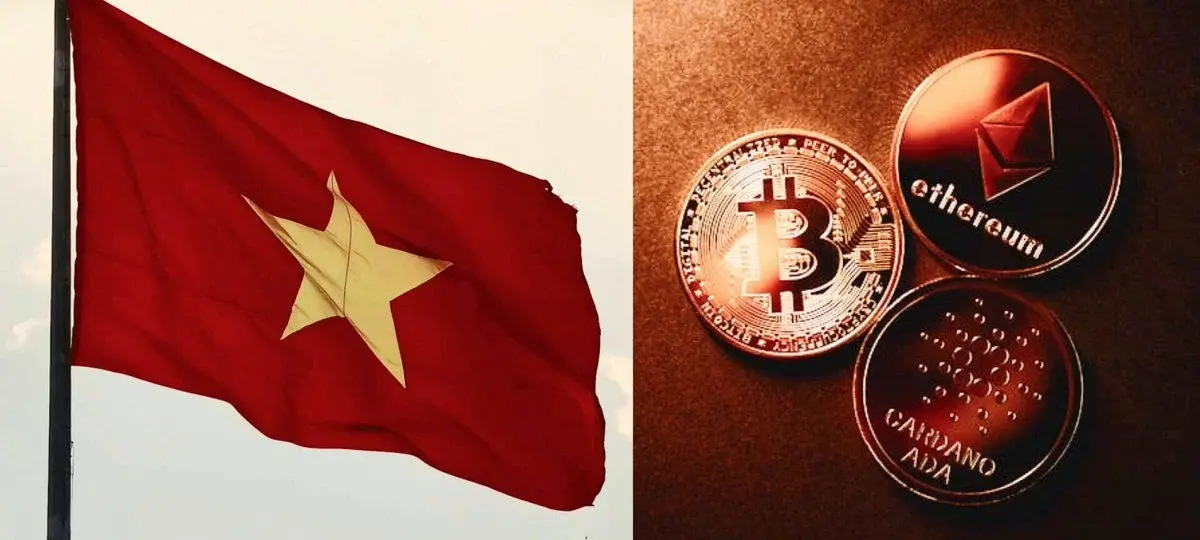
Vietnam's Ministry of Finance has proposed allowing small and medium enterprises to use digital assets and virtual assets as collateral for bank loans, a move that could reshape credit access for startups and tech firms.
A New Framework for SME Credit
Vietnam's Ministry of Finance has proposed allowing small and medium-sized enterprises (SMEs) to use digital assets, virtual assets, and intellectual property as collateral when borrowing from banks. The draft revised Law on Support for Small and Medium-sized Enterprises would permit firms to pledge digital assets, virtual assets, intellectual property rights, and other intangible holdings as loan collateral.
The proposal is driven by a stark credit gap. SMEs and household businesses account for more than 98% of all enterprises in Vietnam, yet outstanding loans to the segment represent only around 20% of total bank credit in the economy. The Ministry attributed the imbalance to a lack of eligible collateral, limited financial transparency, and the small capital base of most SMEs. Many startups and technology-driven companies hold valuable software, patents, or intellectual property but have no land or physical assets to pledge.
The draft also encourages banks to adopt lending approaches based on cash flows, business plans, and credit ratings rather than insisting on fixed-asset security. The proposal aligns with Politburo Resolution 68-NQ/TW, which frames the private sector as a pivotal driver of Vietnam's economic growth.
Timeline and Broader Crypto Context
The draft was released for public feedback between May 25 and May 29, 2026, with plans to submit it to the National Assembly in October 2026. If approved, the new rules would take effect on July 1, 2027.
The proposal arrives as Vietnam builds out a wider regulatory framework for digital assets. Vietnam has become one of the most active crypto markets in the world, ranking fourth in Chainalysis' 2025 Global Crypto Adoption Index behind India, the United States, and Pakistan. Vietnam could see its first regulated crypto market activity as early as the third quarter of 2026, according to remarks by Deputy Minister of Finance Nguyen Duc Chi at the Digital Trust in Finance 2026 forum.
Key implementation hurdles remain. Banks will need frameworks for assessing the worth of digital assets that can swing significantly in value. The draft proposal does not prescribe exactly how banks should value these assets or manage liquidation risk, which means the implementation details between now and July 2027 will matter enormously.
If Vietnam formalizes digital assets as loan collateral, it would likely push the country toward building out a broader legal and regulatory framework for digital asset valuation, custody, and enforcement. For now, the direction is clear: Vietnam's government wants digital assets treated as legitimate financial instruments within the mainstream banking system.
Sources:
Cointelegraph: Vietnam Proposes Allowing SMEs to Use Digital Assets as Loan Collateral
Crypto Briefing: Vietnam's Ministry of Finance Proposes Using Digital Assets as Loan Collateral
Crypto.news: Vietnam May Let SMEs Use Digital Assets to Unlock Bank Loans
Latest News




Read More...




(Advertisement)
Author
 Soumen Datta
Soumen has been a crypto researcher since 2020 and holds a master’s in Physics. His writing and research has been published by publications such as CryptoSlate and DailyCoin, as well as BSCN. His areas of focus include Bitcoin, DeFi, and high-potential altcoins like Ethereum, Solana, XRP, and Chainlink. He combines analytical depth with journalistic clarity to deliver insights for both newcomers and seasoned crypto readers.