

Oil Flows Through Hormuz Tick Higher As More Supertankers Exit

Four supertankers carrying roughly 2 million barrels of Iraqi crude have exited the Strait of Hormuz since May 10, offering limited relief after EIA data confirmed a 30% drop in oil flows through the waterway in Q1 2026.
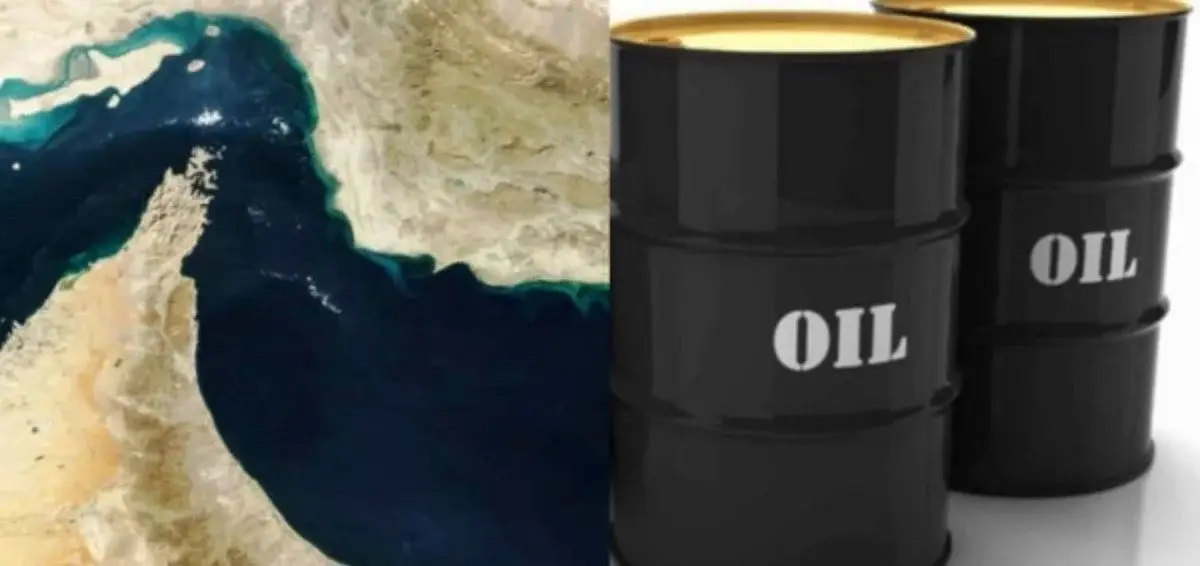
A small number of supertankers have resumed transiting the Strait of Hormuz, offering a sliver of hope to global energy markets gripped by what officials have described as the worst oil supply crisis on record.
Four supertankers, each carrying roughly 2 million barrels of mostly Iraqi crude, have exited the strait since May 10. That represents a transit rate of close to 2 million barrels per day. Before the conflict, about 3,000 vessels of various sizes typically passed through the Strait of Hormuz each month, with oil tankers alone accounting for an estimated 15 million barrels per day of crude and other oil product exports.
EIA Data Confirms the Scale of the Shock
Roughly 14.6 million barrels a day of crude oil and petroleum liquids moved through the strait in Q1 2026, according to data released Wednesday by the U.S. Energy Information Administration. That was down from 20.4 million a year earlier and compares with 20.7 million in the fourth quarter of 2025. The roughly 30% year-on-year decline captures only the early phase of the disruption, as the conflict escalated sharply from late February onward.
Overall traffic through Hormuz in the last two months has run at about 5% of the pre-war average, leading to shortages of refined products, especially in Asia. Brent futures, the global benchmark, have surged more than 45% since the conflict began, and U.S. national retail gasoline prices have topped $4.50 a gallon.
As supplies are diverted away from the Strait of Hormuz, volumes rose for crude oil and liquids transported through the Panama Canal and the Bab El-Mandeb Strait in the first quarter, as producers utilized alternative shipping routes and buyers scrambled to replace Middle East supplies.
Recovery Could Take Well Into 2027
The uptick in supertanker exits is being viewed cautiously. The oil market will not normalize until 2027 if the disruption in the Strait of Hormuz persists past the middle of June, Saudi Aramco CEO Amin Nasser warned. The biggest challenge facing the market is the disruption to the global tanker fleet, with more than 600 ships, mostly oil and product tankers, currently stuck in the Gulf. The oil market will lose 100 million barrels of supply every week Hormuz is closed, with the total net loss so far standing at 880 million barrels, according to Nasser.
Halting traffic in the Strait of Hormuz has caused "the largest oil supply disruption in the history" of the global market, bigger than the 1970s oil shocks, according to the International Energy Agency. Even if the waterway fully reopened today, analysts caution that physical flows and tanker logistics would take months to normalize.
Sources
Hormuz Oil Flows Fell Nearly 30% in Q1, EIA Says — Transport Topics
Saudi Aramco CEO warns oil market won't normalize until 2027 — CNBC
How traffic through the Strait of Hormuz shrank to a trickle — CNN
Latest News





Read More...





(Advertisement)
Author
 Crypto Rich
Rich has been researching cryptocurrency and blockchain technology for eight years and has served as a senior analyst at BSCN since its founding in 2020. He focuses on fundamental analysis of early-stage crypto projects and tokens and has published in-depth research reports on over 200 emerging protocols. Rich also writes about broader technology and scientific trends and maintains active involvement in the crypto community through X/Twitter Spaces, and leading industry events.